

 News
News  Coin Information
  About us
  Customer Service



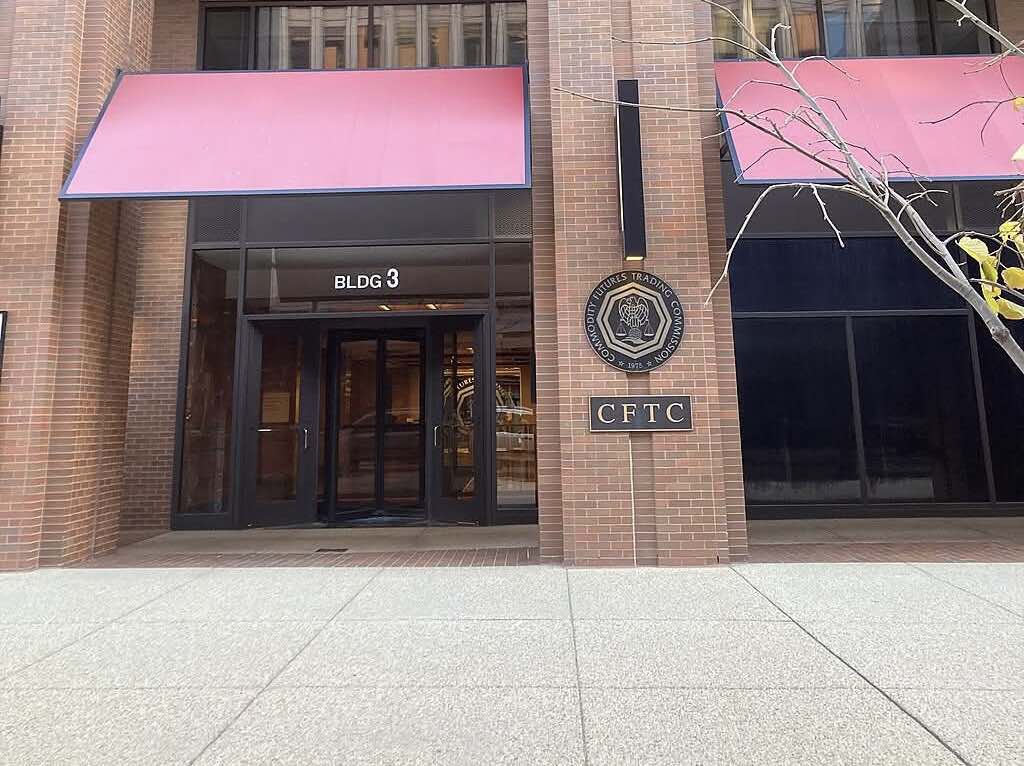
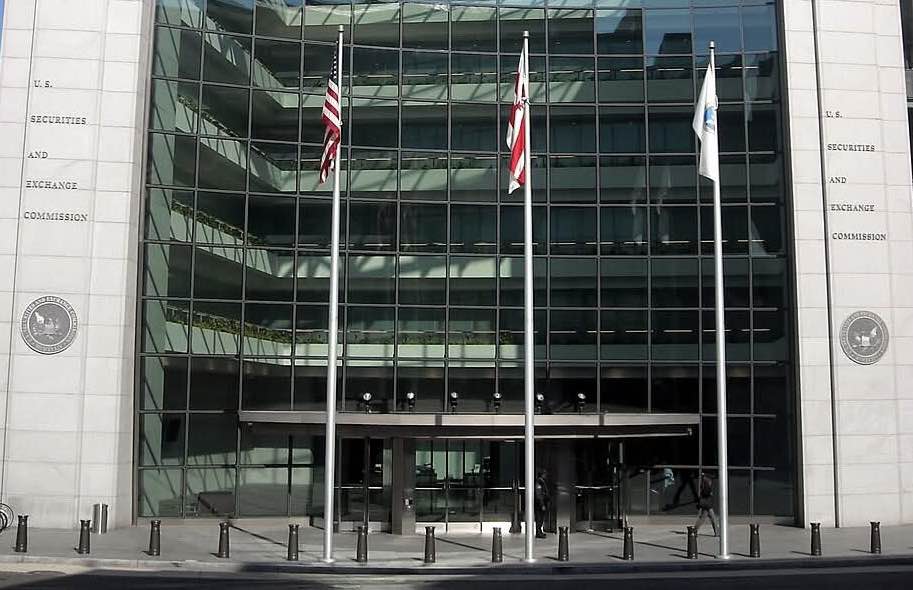
The U.S. Securities and Exchange Commission and Commodity Futures Trading Commission have jointly released landmark interpretive guidance clarifying which digital assets qualify as securities — a question that has long created uncertainty across the crypto industry.
The SEC outlined several distinct categories of crypto assets, including digital securities, payment stablecoins, digital tools, digital collectibles, and digital commodities. Under this framework, only tokens that satisfy the criteria of the Howey Test are classified as securities and fall under SEC oversight. Most other crypto assets would not be considered securities unless issuers take specific actions, such as fractionalizing tokens, that trigger securities regulations.
SEC Chair Paul Atkins and fellow commissioners emphasized that this guidance establishes a clear taxonomy, noting that the majority of crypto assets do not meet the definition of a security. The CFTC agreed to co-administer the guidance under the Commodities Exchange Act, though legal experts warn that jurisdictional questions — particularly around which agency governs non-security digital assets — remain unresolved without formal market structure legislation.
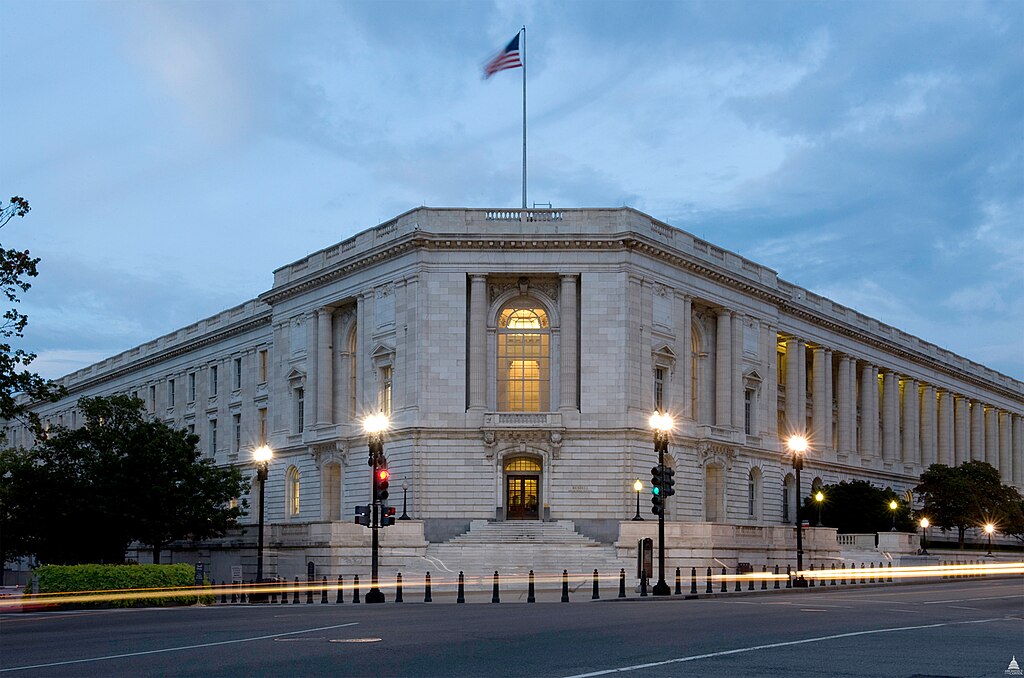
Congressional momentum appears to be building. Senator Cynthia Lummis indicated a committee markup could occur by late April, while Senators Angela Alsobrooks and Thom Tillis reportedly reached an agreement on the contentious stablecoin yield issue. Bipartisan support continues to grow, though lawmakers acknowledge that consumer protection provisions, anti-money laundering measures, and ethics standards still need to be reconciled between House and Senate versions of the bill.
Separately, prediction market platform Kalshi is facing mounting legal pressure. Arizona filed criminal charges against the company, while a Nevada judge temporarily halted its sports and election-related contracts pending a hearing. Critics argue these platforms operate as unlicensed gambling sites, while Kalshi maintains the state actions overstep legal boundaries.
Together, these developments signal a pivotal shift toward clearer crypto regulation in the United States.














Comment 0