

 News
News  Coin Information
  About us
  Customer Service


 Add as a preferred source on Google

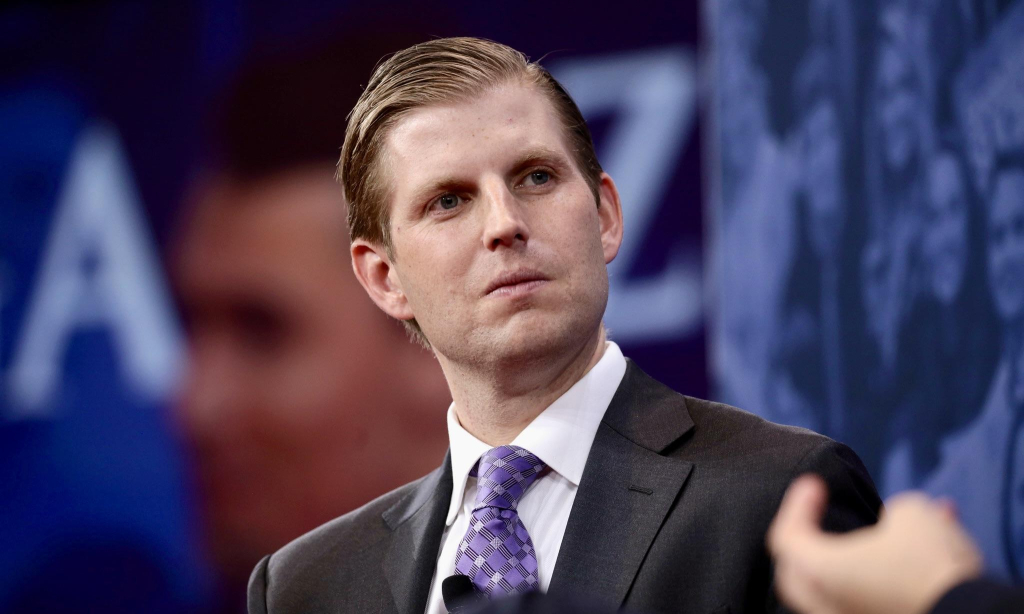
Eric Trump, son of U.S. President Donald Trump and co-founder of crypto firm World Liberty Financial, has sharply criticized major U.S. banks for opposing stablecoin yield provisions in proposed cryptocurrency market legislation. His comments highlight a growing clash between the traditional banking sector and the digital asset industry as lawmakers debate rules that could reshape the future of stablecoins in the United States.
In a post on X (formerly Twitter), Eric Trump accused large financial institutions—including JPMorgan Chase, Bank of America, and Wells Fargo—of lobbying aggressively to prevent Americans from accessing higher returns through stablecoins. According to him, these banks are working behind the scenes to block crypto platforms from offering rewards, incentives, or yield programs tied to stablecoin holdings.
Trump argued that traditional banks pay customers extremely low interest rates on savings accounts while earning significantly higher interest from the Federal Reserve. He suggested that banks keep most of those earnings as profit rather than passing them on to depositors. In contrast, he noted that many crypto platforms plan to offer stablecoin yields of around 4–5% or more, a level that could attract consumers looking for better returns.
He also criticized the American Bankers Association (ABA) and other financial lobby groups, claiming they are spending millions of dollars to influence legislation such as the Clarity Act. According to Trump, these groups are attempting to restrict or ban stablecoin yield programs under the argument of maintaining financial stability and fairness. He described these efforts as an attempt to protect the banking industry’s dominance and prevent funds from flowing out of traditional bank deposits into digital asset platforms.
World Liberty Financial, the crypto company Eric Trump co-founded, currently issues its own stablecoin called USD1. The company is also reportedly seeking a charter from the Office of the Comptroller of the Currency, which would allow it to operate under federal oversight.
The debate intensified after President Donald Trump posted his own message urging Congress to move forward with the Clarity Act. In his post, the president also criticized banks for resisting negotiations related to stablecoin yield provisions. His comments came shortly after meeting Coinbase CEO Brian Armstrong, who earlier withdrew support for the legislation due to concerns about stablecoin rules and other regulatory elements.
Meanwhile, Patrick Witt, executive director for crypto policy at the White House, responded to remarks from JPMorgan CEO Jamie Dimon. Dimon recently argued that stablecoin issuers should face regulations similar to those applied to traditional banks, a stance that continues to fuel debate over how digital assets should be governed.
As discussions around stablecoin regulation, crypto yields, and banking oversight continue in Washington, the outcome of these negotiations could significantly influence how digital asset platforms compete with traditional financial institutions in the years ahead.
















Comment 0