

 News
News  Coin Information
  About us
  Customer Service


 Add as a preferred source on Google

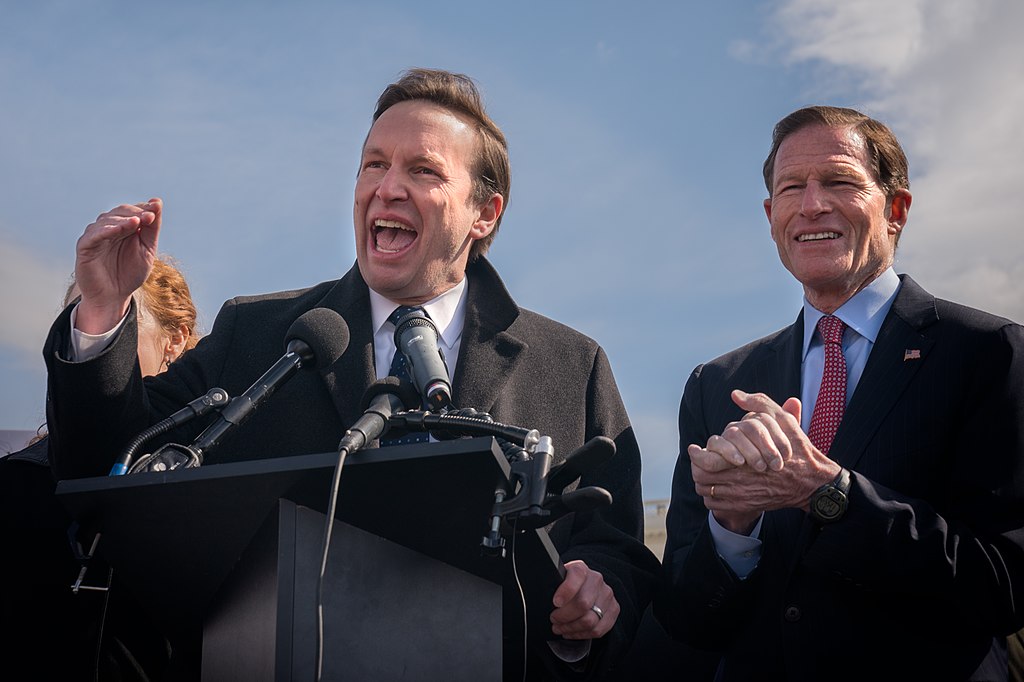
U.S. Senator Chris Murphy has announced plans to introduce legislation that would ban prediction markets, calling them “corrupt and destabilizing” platforms that enable insider trading and profit from global crises. In a February 27 statement, the Connecticut Democrat argued that individuals with advanced knowledge of geopolitical events can exploit these markets for personal financial gain, raising serious ethical and regulatory concerns.
Murphy pointed to betting odds on Polymarket related to potential military strikes involving Israel and Gaza, noting that the odds fluctuated as tensions escalated in real time. According to the senator, this type of activity highlights how prediction markets may commodify real-world tragedies and create incentives for unethical behavior.
However, industry leaders quickly pushed back, arguing that Murphy’s proposal unfairly targets regulated U.S.-based exchanges by conflating them with offshore platforms already barred from operating domestically. Tarek Mansour, co-founder of federally regulated prediction market Kalshi, responded that licensed U.S. exchanges are prohibited from offering contracts tied to war, terrorism, or assassination. He emphasized that the market Murphy referenced is offshore and unregulated.
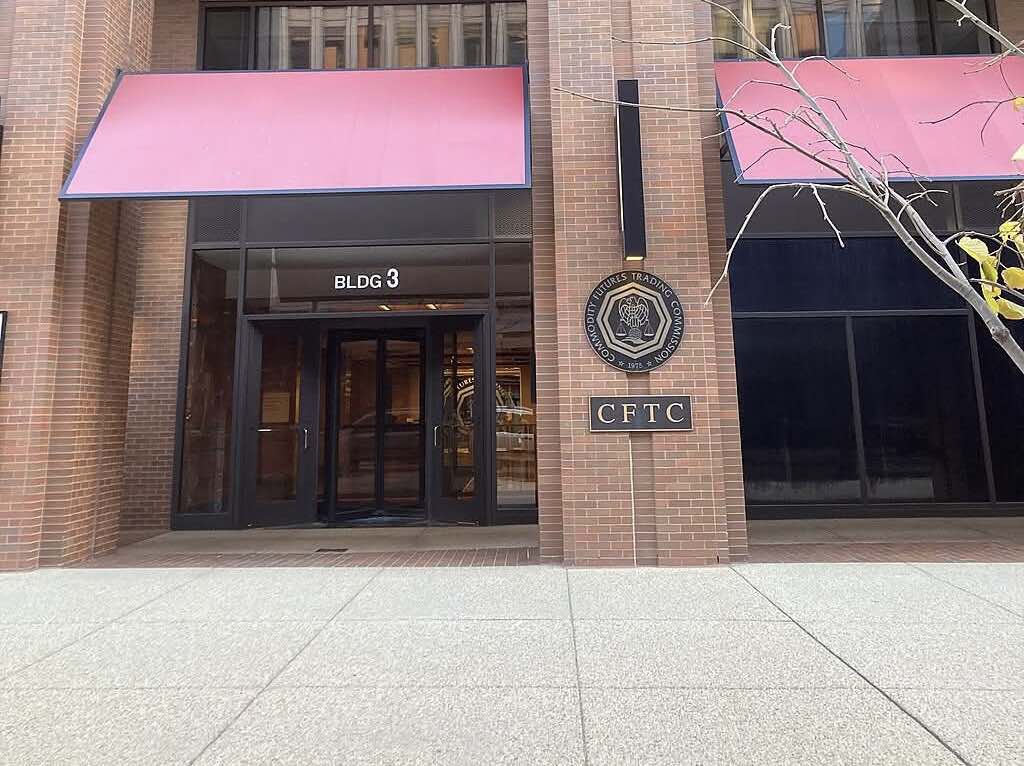
Under Commodity Futures Trading Commission (CFTC) rules, onshore prediction markets cannot list derivatives involving armed conflict or other events deemed against the public interest. Supporters of the industry say these strict federal regulations are specifically designed to prevent insider trading and market manipulation.
Crypto analyst Adam Cochran echoed these concerns, noting that offshore platforms serving U.S. users already face aggressive enforcement actions from regulators. He added that domestic prediction markets operate within a clear compliance framework intended to safeguard market integrity.
Murphy’s proposed ban aligns with broader regulatory scrutiny of the rapidly growing prediction market industry. In January, Representative Ritchie Torres introduced legislation aimed at preventing government officials from trading on nonpublic information in prediction markets, further intensifying the debate over transparency, ethics, and financial regulation in this emerging sector.

















Comment 0