
 Add as a preferred source on Google
Bitcoin Falls as US-Iran Conflict Boosts Dollar, Weighs on Crypto Market
Bitcoin and the broader cryptocurrency market traded lower on Tuesday as escalating military tensions between the United States and Iran strengthened the U.S. dollar and reduced investor appetite for risk assets.



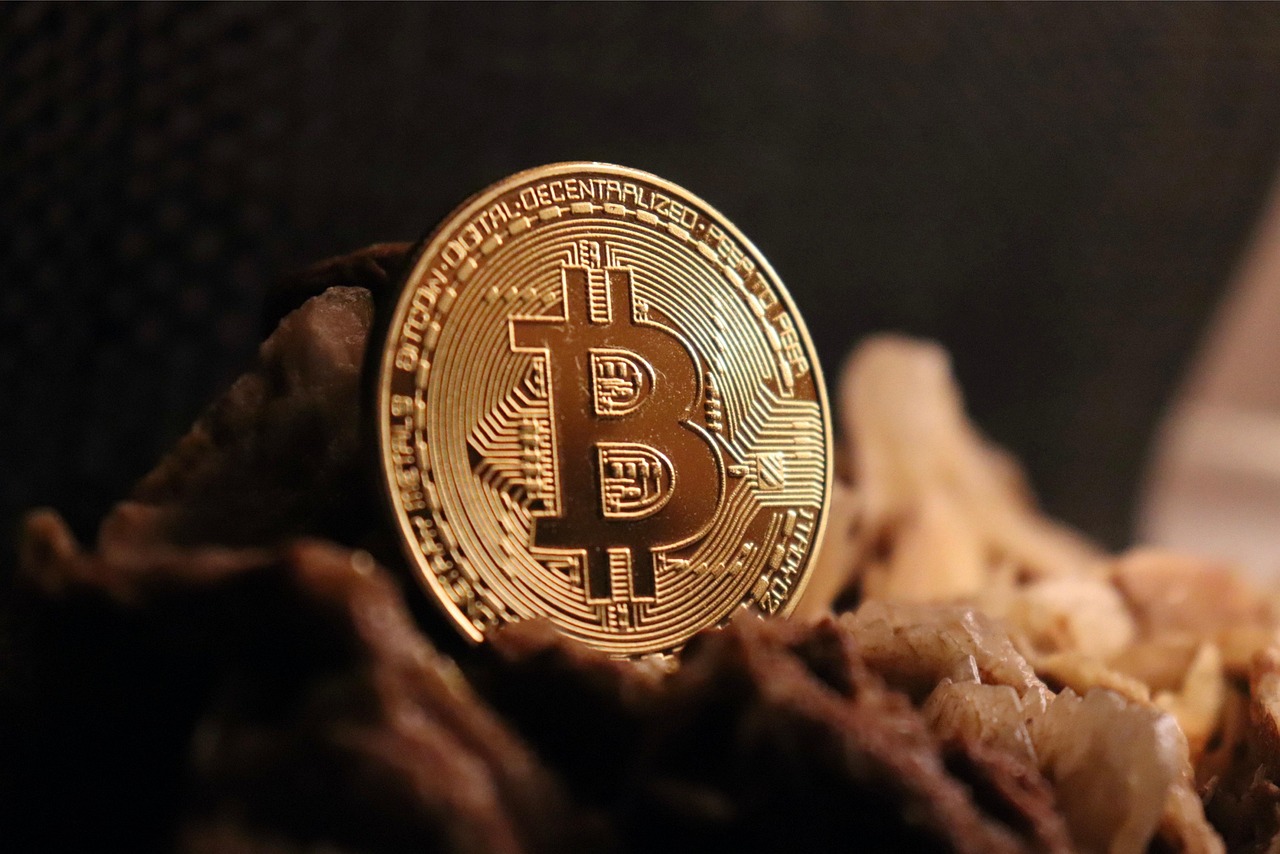
Bitcoin and the broader cryptocurrency market traded lower on Tuesday as escalating military tensions between the United States and Iran strengthened the U.S. dollar and reduced investor appetite for risk assets.
Bitcoin (BTC), the world's largest cryptocurrency by market capitalization, slipped to around $62,657 during Asian trading, down nearly 1% from midnight UTC, according to CoinDesk data. Other major digital assets also weakened, with Ether (ETH), XRP, and Solana (SOL) posting losses ranging from 1% to 2.3%.
The decline followed a sharp rise in geopolitical uncertainty after the U.S. announced it had launched what it described as "powerful strikes" against Iran in response to attacks on three commercial vessels in the Strait of Hormuz, including Qatari and Saudi tankers. Iran responded by claiming it had targeted 85 U.S. military installations in retaliation for earlier strikes on its Hormozgan and Mahshahr provinces, raising concerns that the fragile ceasefire between the two countries may be close to breaking down.
The renewed conflict also lifted traditional safe-haven assets. West Texas Intermediate (WTI) crude futures climbed more than 2% to $72.27 per barrel, while the U.S. Dollar Index remained above the 101.00 level after posting strong gains in the previous session.
Geopolitical tensions have once again highlighted the relationship between global macroeconomic risks and cryptocurrency prices. The Iran conflict, which began in late February, previously drove oil prices above $100 per barrel, triggering a surge in global inflation concerns. Although crude prices later retreated below $60, inflation expectations have remained elevated, prompting investors to anticipate higher interest rates in major economies, including the United States.
Higher interest rates generally reduce demand for speculative assets such as Bitcoin and other cryptocurrencies because they increase the appeal of safer, yield-generating investments like government bonds. As a result, rising geopolitical risks, stronger oil prices, and a firmer U.S. dollar continue to create headwinds for the crypto market, leaving traders closely watching both military developments and monetary policy expectations.
Riza Dagoc
Riza Dagoc reports on regulation, investing and the digital-asset business for TokenPost. Send corrections or tips to info@tokenpost.com.