

 News
News  Coin Information
  About us
  Customer Service




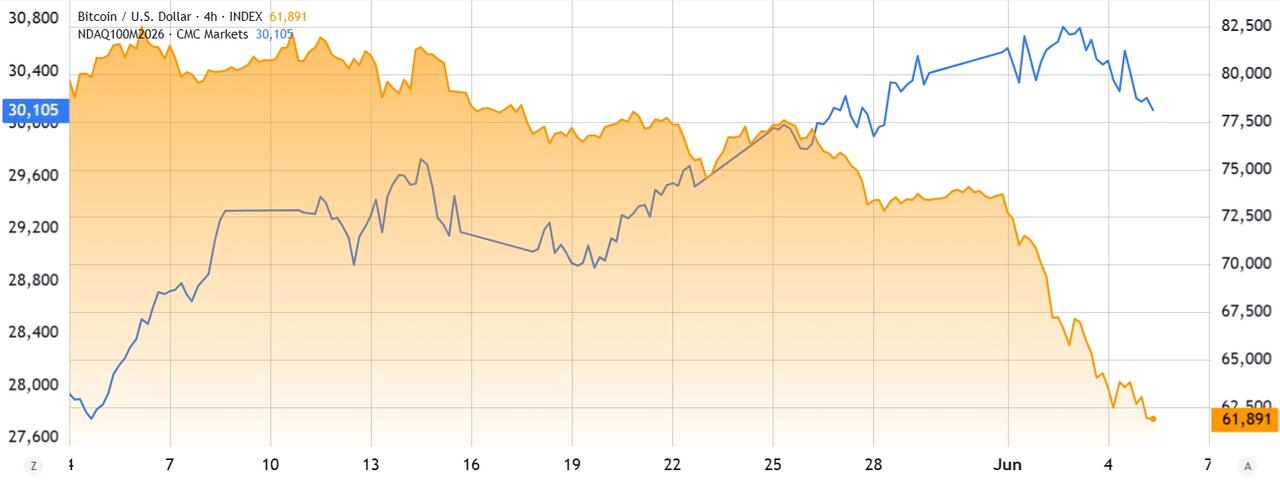
Bitcoin (BTC) is trading near $63,000 after rebounding roughly 4%, but the world's largest cryptocurrency remains nearly 50% below its all-time high. As investors search for clues about where the current Bitcoin bear market could end, one important on-chain metric is attracting attention: Bitcoin’s Electrical Cost, currently estimated at $48,694.
Developed by Capriole Investments founder Charles Edwards, the Bitcoin Electrical Cost measures the average amount miners spend on electricity to produce one BTC. Unlike the broader Production Cost metric, which includes hardware expenses and operational overhead, Electrical Cost focuses solely on energy consumption.
Historically, this indicator has served as a strong long-term support level for Bitcoin. Market data shows that BTC has repeatedly found its cycle lows near the Electrical Cost line during major downturns in 2015, 2018, 2020, and 2022. While Bitcoin has occasionally traded below this level, those moves were typically brief and occurred during major market shocks.
Crypto analyst Ted Pillows recently highlighted the metric on a long-term chart covering Bitcoin’s price cycles from 2012 through 2026. According to Pillows, unless a severe global economic event occurs, Bitcoin is likely to establish a market bottom around the $50,000 level. Edwards agreed that although Bitcoin has dipped below the Electrical Cost line in the past, such breaks lasted only a few weeks.
The Electrical Cost metric also aligns with several other major support zones. Bitcoin recently tested its 200-week moving average near $62,000. Below that, analysts are watching the realized price and 300-week moving average around $54,000. The Electrical Cost level at approximately $48,694 sits just beneath these support areas, making it a critical price zone for traders and investors.
However, risks remain. A global recession, financial crisis, or unexpected macroeconomic shock could push Bitcoin below this historical floor. Upcoming decisions from the Federal Reserve and the Bank of Japan may also influence market sentiment and risk appetite.
If BTC falls below $54,000, the next major support could emerge near the Electrical Cost level around $48,694. Holding above that zone would strengthen the argument that Bitcoin is approaching its bear market bottom. A decisive break lower, however, could expose the broader $40,000 range as the next potential target heading into 2026.

















Comment 0