

 News
News  Coin Information
  About us
  Customer Service




Bitcoin (BTC) continues to face strong resistance near the $83,000 level, raising concerns among traders that another major market downturn could be approaching. Despite recent weakness, crypto research firm K33 believes the current Bitcoin cycle differs significantly from previous bear market collapses seen in 2014, 2018, and 2022.
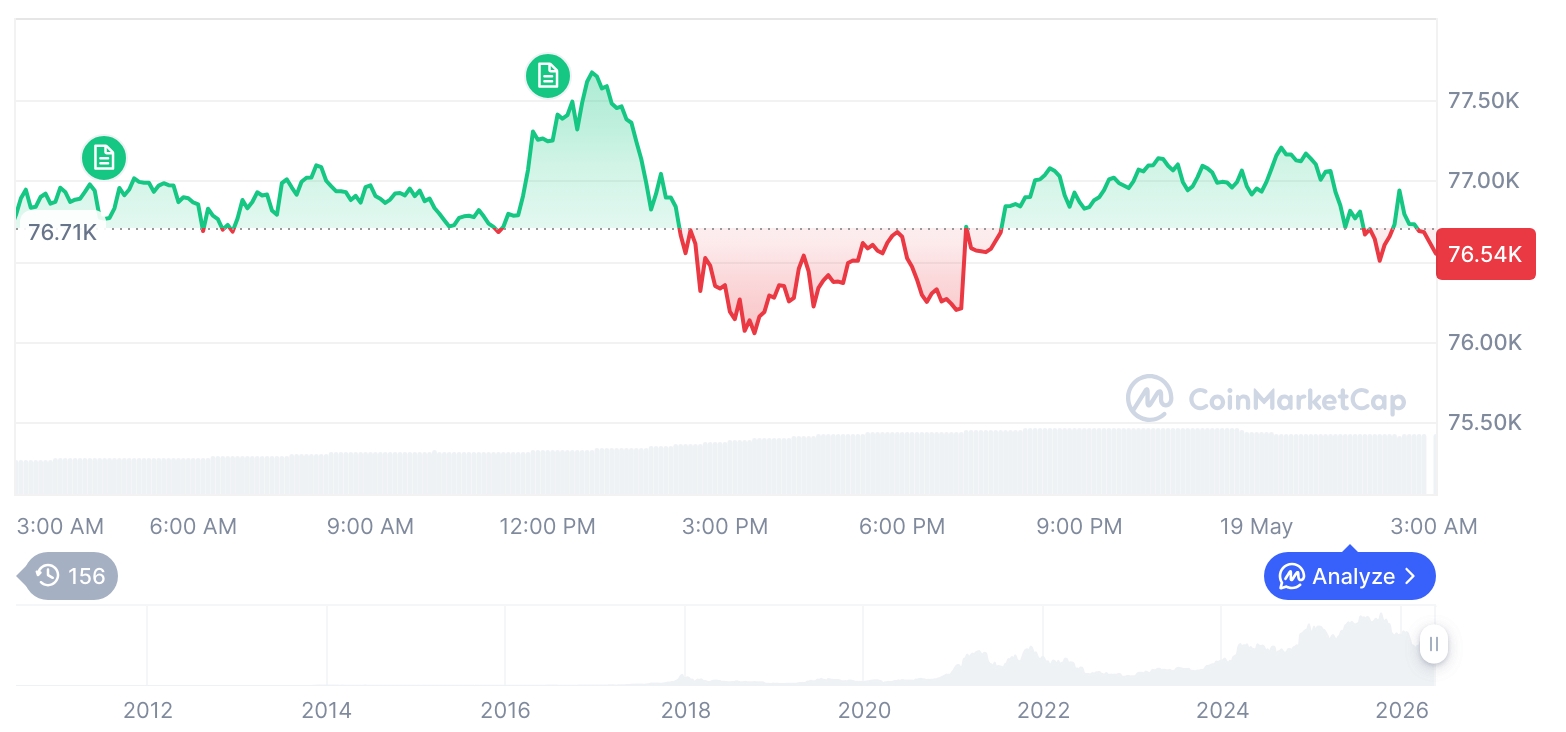
BTC recently failed to break above its 200-day moving average, a technical level many investors closely monitor. In past cycles, similar rejections triggered sharp selloffs after highly leveraged rallies collapsed. However, K33 Research says the present market structure appears less overheated and far more cautious.
According to K33 head of research Vetle Lunde, Bitcoin derivatives data shows unusually bearish sentiment despite BTC recovering from February lows near $60,000. The report highlighted that Bitcoin’s 30-day average funding rate has remained negative for 81 consecutive days, approaching a record streak. Negative funding rates typically indicate traders are betting against Bitcoin rather than aggressively chasing higher prices.
Additionally, annualized basis rates on CME Bitcoin futures recently fell below 2.5%, a level historically associated with extreme market caution. While this suggests fear remains elevated, K33 warned that risks still exist. Open interest across Bitcoin derivatives markets remains high, meaning volatility could quickly return if BTC prices weaken further.
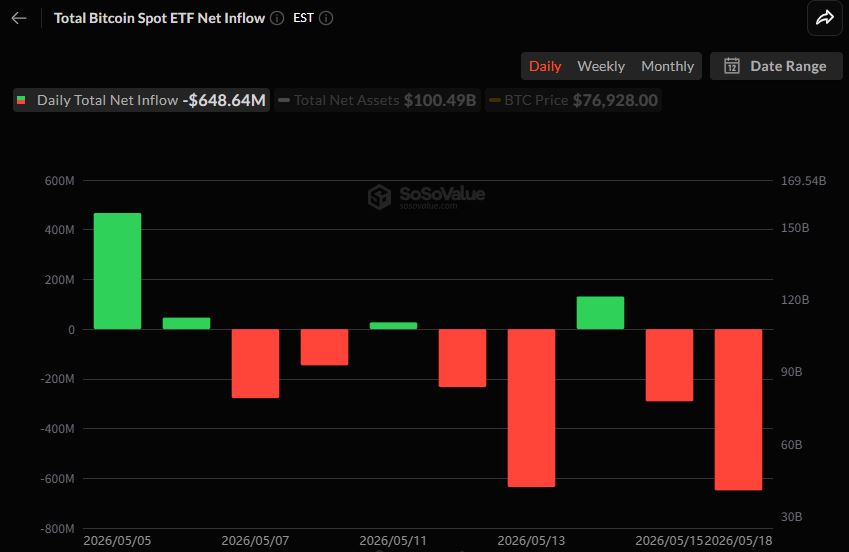
Another concern is the recent wave of U.S. spot Bitcoin ETF outflows, which totaled roughly $1.6 billion over five days as BTC struggled near the $83,000 range. Analysts noted that investors often sell when prices return close to their original purchase levels after extended declines.
Despite these warning signs, K33 maintains a relatively optimistic long-term outlook for Bitcoin. The firm believes the February correction toward $60,000 likely marked the deepest drawdown of the current market cycle. Analysts also expect a milder bear market in 2026 compared to previous crypto crashes, arguing that the slower and less aggressive 2025 bull market could help reduce downside risks moving forward.














Comment 0