

 News
News  Coin Information
  About us
  Customer Service



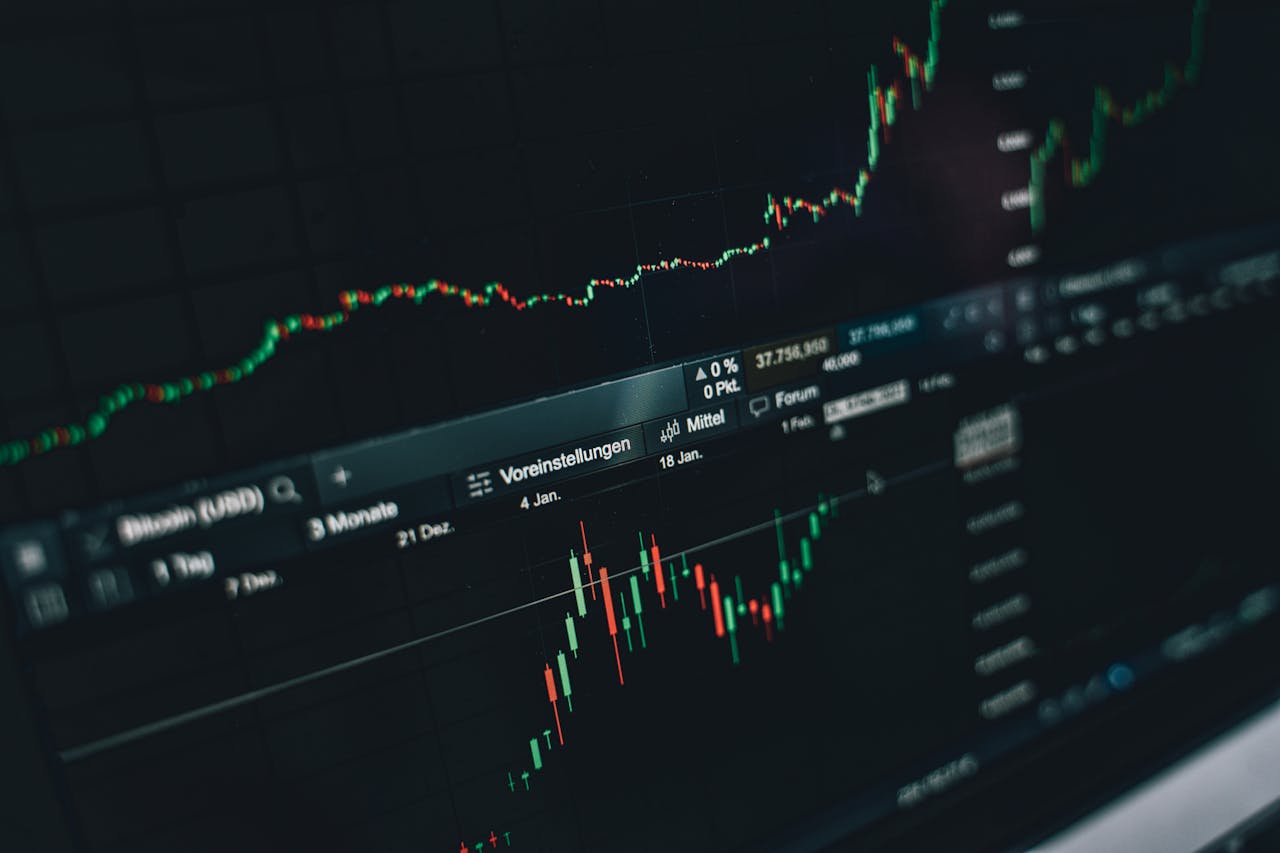
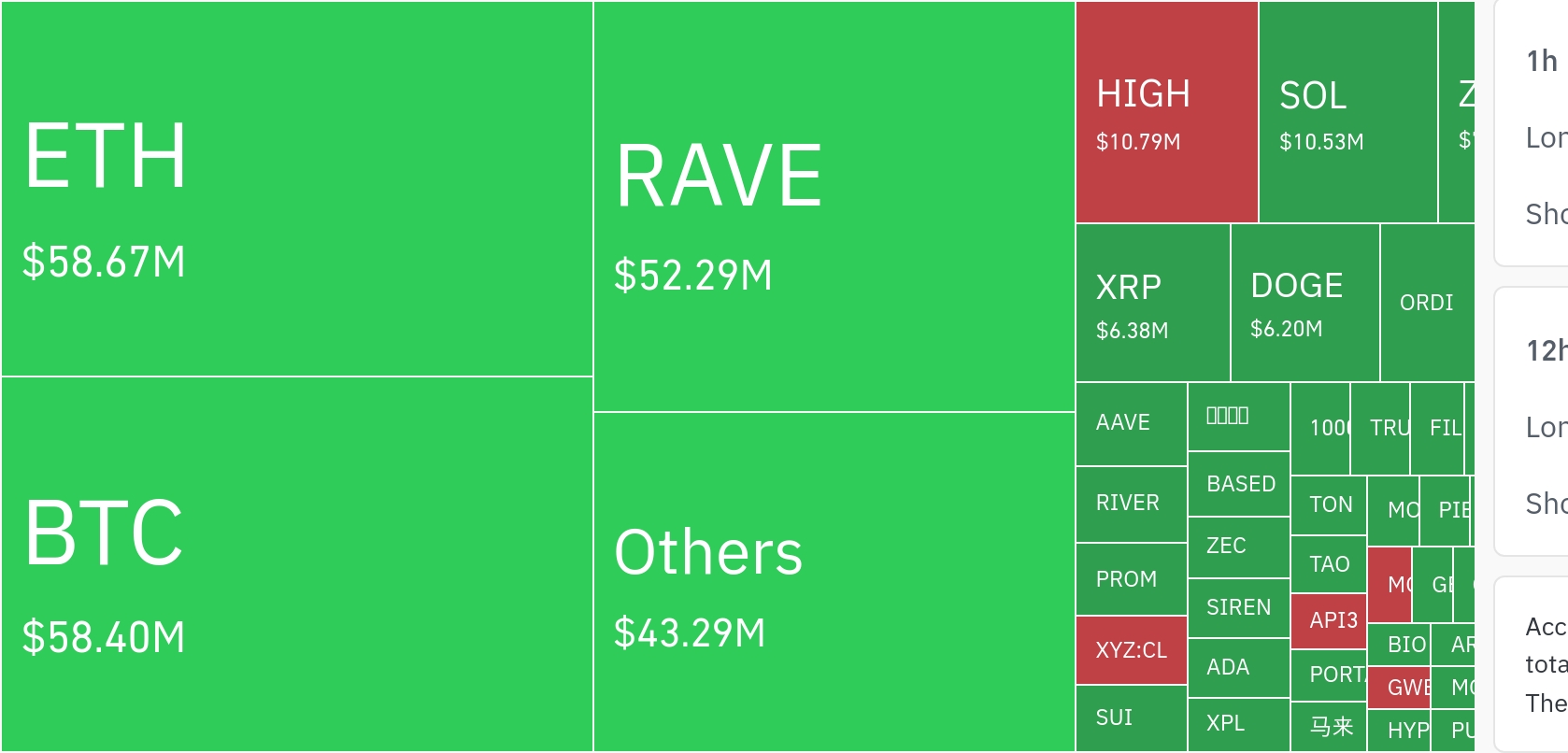
RaveDAO's native token RAVE suffered a devastating collapse over the weekend, plunging from an all-time high of roughly $27 down to nearly $1 in less than 48 hours. The rapid decline erased billions in market capitalization and left traders across major crypto platforms scrambling for answers.
The crash unfolded against a relatively stable broader crypto market, with Bitcoin trading above $76,000, Ethereum holding above $2,300, and XRP hovering near $1.40 — making RAVE's sudden reversal all the more alarming to investors.
The primary trigger was a public accusation from prominent blockchain investigator ZachXBT, who alleged the project was orchestrating a coordinated pump-and-dump scheme. To encourage whistleblowers, he offered a $25,000 bounty for verifiable insider information. His on-chain analysis revealed that roughly 95% of RAVE's total token supply was concentrated across just nine wallets linked to the project's initial distribution — a red flag pointing to centralized control and potential market manipulation.
ZachXBT further alleged that large token transfers were made to exchanges just before RAVE's price surged an extraordinary 10,800% — from approximately $0.25 to $27.33 over just nine days. That artificial rally triggered an estimated $44 million in liquidations, forcing short sellers to cover their positions. Once that upward pressure faded, the price collapsed rapidly.
Major exchanges responded quickly. Binance co-CEO Richard Teng and Bitget CEO Gracy Chen both confirmed internal investigations were underway, while Gate.io acknowledged the allegations as well. Rather than restoring confidence, these announcements amplified fear and accelerated selling.
RaveDAO issued a statement denying any wrongdoing, claiming the team was not responsible for the recent price action and that token unlocks were used to fund operations. However, the statement failed to directly address the wallet concentration concerns raised by investigators.
Analysts currently see potential price support between $1.00 and $1.20, though a meaningful recovery remains unlikely given the heavy overhead supply and damaged investor trust.








Comment 0