

 News
News  Coin Information
  About us
  Customer Service


 Add as a preferred source on Google

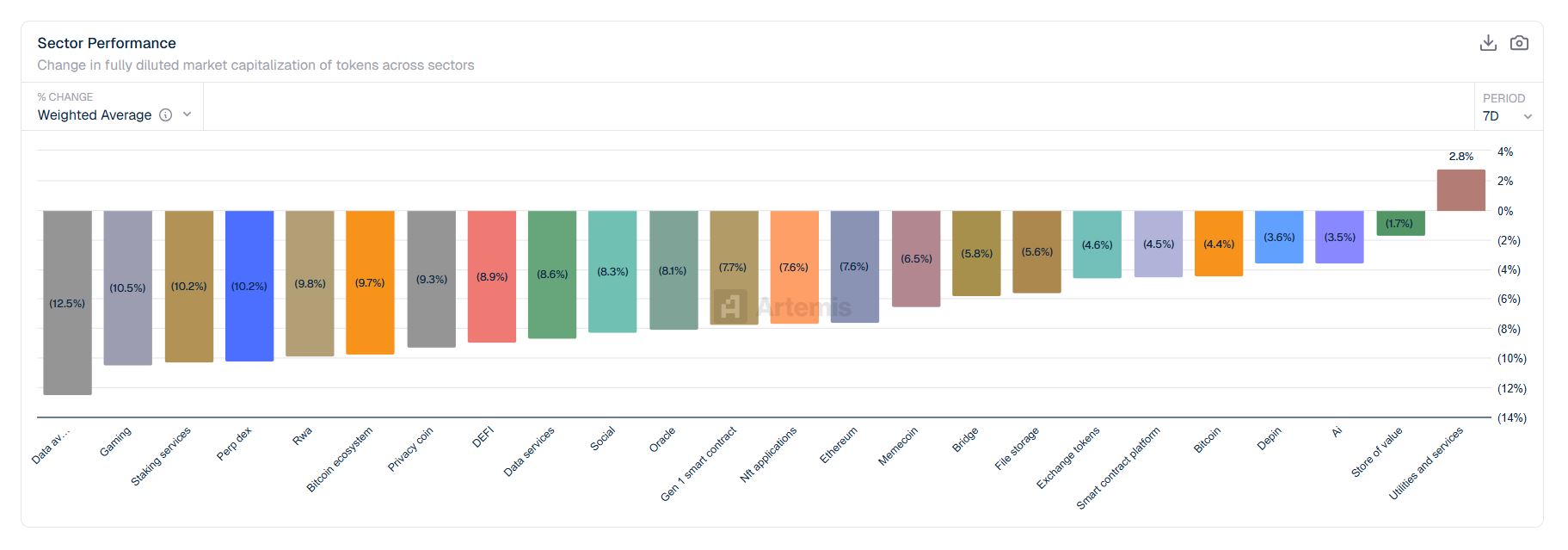
Bitcoin (BTC) is again testing its narrative as a crisis hedge, outperforming traditional benchmarks in the wake of renewed U.S.–Iran military tensions. Market watchers say the relative strength versus gold and U.S. equities is being read by some investors as evidence that BTC is increasingly treated as a 'risk-off' alternative or an emerging 'store of value'—even as geopolitics and energy-market uncertainty remain elevated.
According to Bitcoin Magazine, BTC has delivered stronger performance than both gold and the S&P 500 in the aftermath of the latest spike in tensions, a notable reversal from prior episodes where crypto often traded as a high-beta risk asset. The shift matters because it suggests investor positioning may be broadening: beyond short-term speculation, allocations may increasingly be justified as protection against macro and geopolitical shocks.
Ark Investment Management CEO Cathie Wood added fuel to that debate, pointing to Bitcoin’s scarcity as a key attribute underpinning the 'digital gold' thesis. While the comparison remains contested—particularly due to BTC’s volatility—supporters argue that supply inelasticity and global accessibility make Bitcoin a distinct hedge for certain market participants during periods of uncertainty.
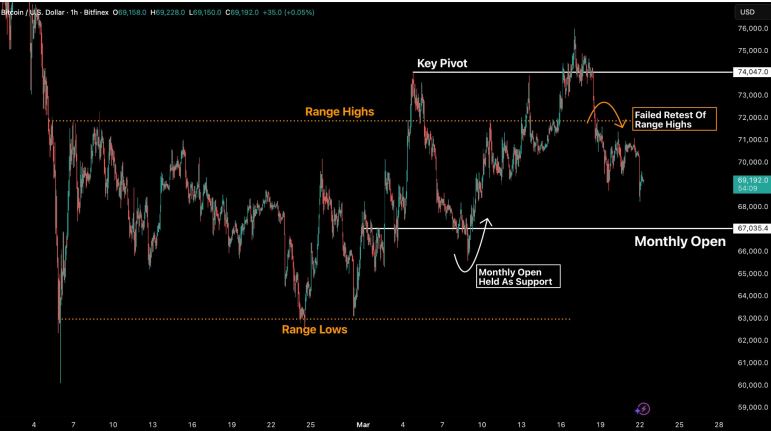
Price action across major crypto assets has also improved. Bitcoin and Ethereum (ETH) held key support zones, helping stabilize sentiment and triggering broader dip-buying across the altcoin complex. Analysts typically view this pattern—blue-chip resilience first, followed by sector-wide rotation—as a sign that traders are willing to take incremental risk after downside momentum fades.
Alongside spot-market moves, activity in on-chain and event-driven 'prediction markets' is accelerating. Kalshi’s March trading volume has already surpassed $9 billion, putting month-to-date turnover at roughly 53.4% of its total volume for all of last year, based on figures cited in Korean-language reports. A faster pace in these venues is often interpreted as a proxy for rising demand to hedge or speculate on discrete macro events, including geopolitical developments.
Polymarket, another major prediction-market platform, has drawn attention after a high-performing account reportedly placed a sizable bet on the outcome that there will be 'no' U.S.–Iran ceasefire. Such positioning underscores how traders are using probabilistic markets to express views that may be difficult to implement cleanly via traditional instruments, particularly in fast-moving geopolitical situations.
Polymarket is also adjusting its business model. The platform plans to expand the use of taker fees beyond its existing Crypto and Sports categories, while strengthening incentives for liquidity providers. The change signals a push toward deeper order books and more consistent pricing, though it may raise transaction costs for active traders.
Meanwhile, attention remains on corporate Bitcoin accumulation strategies. Prediction-market pricing has placed the probability at 96% that Strategy—the company led by Michael Saylor—will significantly increase its BTC holdings. The company’s balance-sheet approach has become a bellwether for institutional appetite, with observers watching whether additional purchases coincide with improved liquidity conditions or renewed inflows into crypto investment products.
On the flows side, Whale Alert reported that 739 BTC moved from an unknown wallet to Coinbase Institutional. Transfers to exchange-related destinations are often monitored as a potential precursor to selling, though such moves can also reflect custody changes, collateral management, or internal rebalancing by large holders. Still, in a market sensitive to headline risk, large exchange-bound transactions can amplify short-term volatility.
Geopolitical risk remains a central macro variable. Separate monitoring of the Strait of Hormuz indicated ongoing restrictions on vessel transit over a 24-hour period, raising concerns about disruptions to global energy flows and a potential increase in oil-price volatility. For crypto markets, higher energy-market stress can feed into broader inflation expectations and risk sentiment—two drivers that often influence BTC’s correlation with other assets.
Regulatory pressure is also building in key jurisdictions. Russia has reportedly approved draft legislation to regulate domestic trading in major cryptocurrencies including Bitcoin and Ethereum, an effort widely seen as tightening state oversight and channeling activity into monitored frameworks. Depending on implementation, such rules could reshape liquidity access for local market participants and affect regional exchange flows.
For now, Bitcoin’s post-tension outperformance is giving bulls fresh ammunition in the 'digital gold' debate, while prediction-market growth and exchange flow signals highlight rising demand to hedge uncertainty. The next phase may hinge on whether macro stress persists—and whether crypto’s improved relative strength can hold as liquidity and geopolitical headlines continue to evolve.

















Comment 0