

 News
News  Coin Information
  About us
  Customer Service


 Add as a preferred source on Google
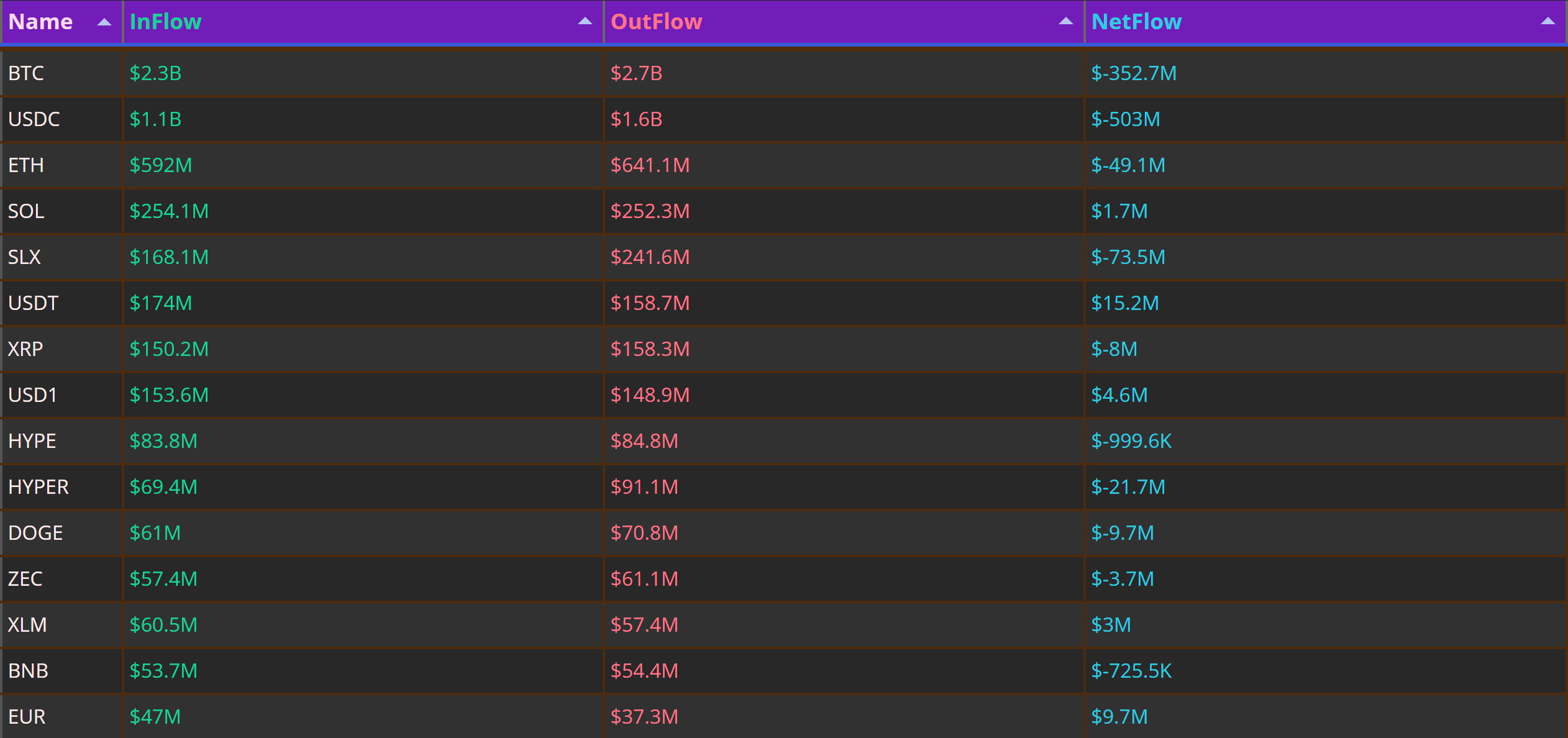
Crypto exchange flow data over the past 24 hours showed notable net withdrawals in major assets—led by USD Coin (USDC) and Bitcoin (BTC)—a pattern traders often read as a shift in 'exchange liquidity' rather than a direct price signal.
According to aggregated exchange flow figures compiled by Cryptometer on July 1 (UTC), USDC posted the largest net outflow at roughly $503 million, while BTC recorded about $352.7 million in net outflows. On the inflow side, Liquid Staked Ether (LSETH) led the market with approximately $23.6 million in net inflows.
Breaking down the largest assets, BTC saw about $2.3 billion move into exchanges versus $2.7 billion moving out, resulting in the roughly $352.7 million net outflow. Ethereum (ETH) also leaned toward net withdrawals, with approximately $592 million in inflows and $641.1 million in outflows—about a $49.1 million net outflow.
Stablecoins showed a sharper divergence. Tether (USDT) logged about $174 million in inflows and $158.7 million in outflows, translating to roughly $15.2 million in net inflows. USDC, however, saw about $1.1 billion enter exchanges against approximately $1.6 billion leaving—producing the session’s largest net outflow at around $503 million.
Among other large-cap tokens, Solana (SOL) posted a modest net inflow of about $1.7 million, while XRP recorded an estimated $8 million net outflow.
Across all tracked assets, the top five net inflows were led by LSETH ($23.6 million), followed by USDT ($15.2 million), euro-denominated balances labeled EUR ($9.7 million), EUR CoinVertible (EURC) ($7.2 million), and Ethena (ENA) ($5 million). The top five net outflows were dominated by USDC ($503 million) and BTC ($352.7 million), followed by SLX ($73.5 million), ETH ($49.1 million), and HYPER ($21.7 million).
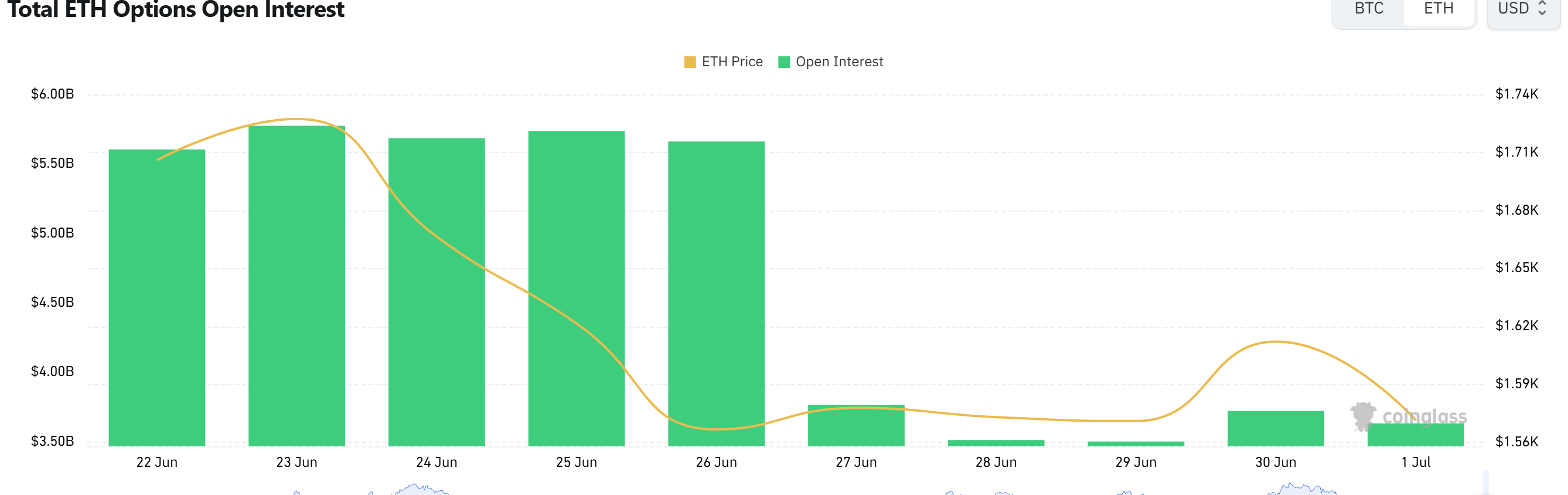
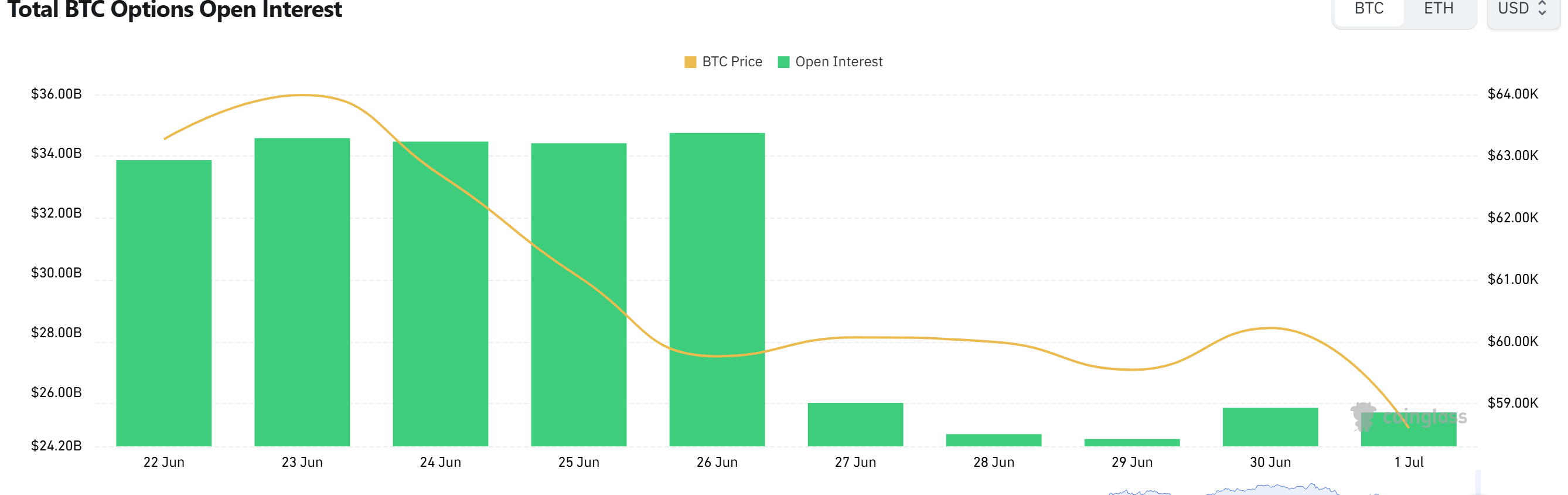
Market participants typically interpret heavy net outflows of BTC and ETH as a sign of reduced immediate sell-side availability on exchanges, while large stablecoin withdrawals—especially in USDC—can also reflect 'capital rotation' into self-custody or redeployment into other venues. Still, flow data can be volatile and is best read alongside derivatives positioning and spot market depth, rather than as a standalone indicator.




















Comment 0