

 News
News  Coin Information
  About us
  Customer Service


 Add as a preferred source on Google

Oil has reasserted itself as the market’s primary barometer of Middle East risk, with prices surging while typical ‘risk assets’ move in the opposite direction. Kaiko Research says the renewed flare-up in regional tensions has pushed crude sharply higher year-to-date and flipped correlations with Bitcoin (BTC) and U.S. equities decisively negative—an unusual cross-asset divergence that highlights how geopolitical shocks are being priced first and most aggressively in energy.
In a recent report, Kaiko Research analyst Thomas Probst noted that both West Texas Intermediate (WTI) and Brent crude have climbed more than 75% since the start of 2026, rising from around $60 a barrel to above $100. The rally has also been marked by exceptionally wide intrayear swings, with crude trading through a broad $80–$115 range as markets repeatedly reprice supply disruption risks, ceasefire headlines, and the probability of military escalation.
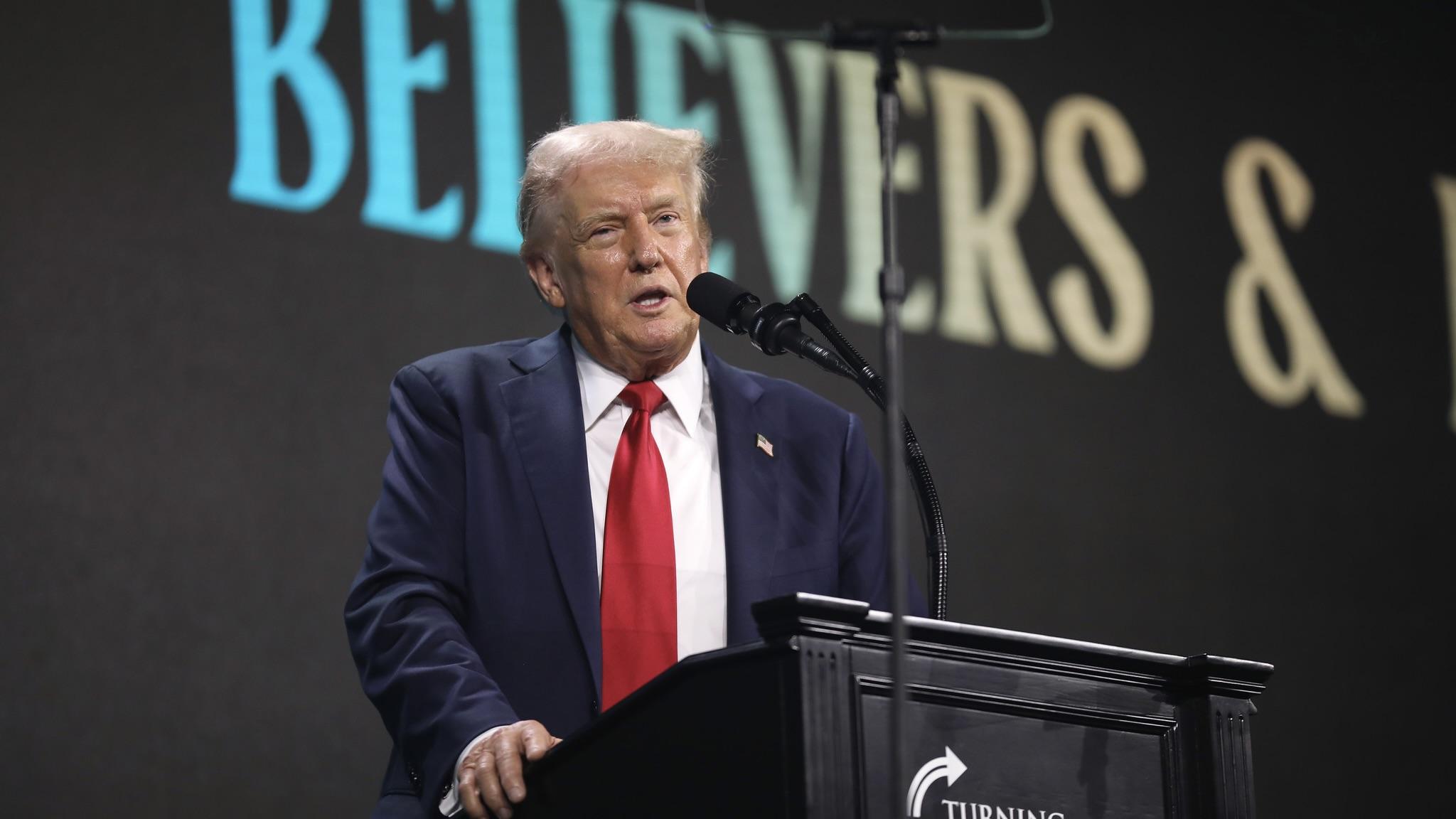
The ‘headline sensitivity’ has been especially visible this spring. On April 7, President Trump announced a two-week temporary ceasefire, triggering a rapid unwind of the geopolitical risk premium embedded in oil. Kaiko estimates WTI fell roughly 18% within hours, illustrating how quickly crude can be repriced by political and military developments rather than by slower-moving fundamentals such as inventory trends or demand forecasts. Kaiko argues this dynamic makes oil structurally more ‘news-driven’ than many other commodities.
Within commodities, the divergence has been stark. Natural gas lacked a clear direction over the same period, slipping before attempting a partial rebound in early May and continuing to trade erratically. Copper, by contrast, strengthened on a combination of supply constraints and expanding structural demand, rising from roughly $5.3 to above $6.3. Kaiko attributed the move to factors including disruptions in Peru and broad-based demand linked to grid upgrades, electric vehicles, renewable energy buildout, and AI data-center expansion.
Still, Kaiko’s data suggests the locus of market stress has been crude. The 30-day rolling volatility for WTI and Brent briefly exceeded 100% in April and remains elevated near 85%—levels the firm describes as highly unusual. Over the same window, Bitcoin volatility trended lower, falling to around 22%, while copper and the S&P 500 index (SPX) showed comparatively steady conditions at roughly 25% and 12%, respectively. The implication, Kaiko said, is that the volatility shock has been concentrated in energy rather than spreading uniformly across broader risk markets.
Returns tell a similar story. WTI has outperformed a range of comparison assets in 2026 with gains above 75%, while copper and SPX posted more modest advances. Bitcoin, meanwhile, delivered a negative return over the period observed in the report. Kaiko interpreted that performance as evidence BTC did not behave as a ‘safe haven’ during this episode of geopolitical stress, diverging from narratives that it could act as a hedge when macro uncertainty rises.
The shift in correlation metrics has made the separation more explicit. Kaiko found the correlation between WTI and Bitcoin—positive through February—turned negative in March and fell to around -0.5 by May. The WTI-SPX relationship followed a similar path, with the correlation dropping further to roughly -0.7. Kaiko attributed the pattern to an asynchronous adjustment: oil surged as risk premia expanded, while equities and crypto came under pressure; when crude stabilized, risk assets rebounded, widening the timing gap and deepening negative correlations.
Historically, such oil-first repricing is familiar. Kaiko pointed to episodes such as the 1973 oil shock, the 1979 Iranian Revolution, and the 1990 Gulf War as cases where Middle East-driven disruptions sharply lifted crude in short order. Given the region’s weight in global supply chains, the firm frames the latest move not as an anomaly but as a textbook mechanism of geopolitical stress transmitting into energy prices. In Kaiko’s timeline, a key inflection arrived in late February, when the first U.S. and Israeli strikes on Iran helped catalyze a steeper leg higher in crude.
Kaiko also highlighted the growing role of market infrastructure in volatile regimes. The firm said its commodities reference rates, including for oil, provide per-second pricing beyond standard exchange hours, designed to meet European benchmark standards and institutional transparency requirements. In fast-moving environments where risk is repriced on headlines, Kaiko argues such continuous reference pricing can improve monitoring and risk management for professional participants.
Kaiko’s broader conclusion is that the current bout of Middle East tension is reshaping cross-asset behavior, not merely lifting energy prices. With crude combining outsized gains, unusually high volatility, and increasingly negative correlations to both equities and crypto, oil has become the market’s clearest signal of geopolitical stress. While copper benefits from tightening supply and structural demand and natural gas remains choppy, Probst said WTI and Brent remain the assets most directly exposed to the region’s evolving risk backdrop—placing crude once again at the front line of global macro uncertainty.















Comment 0