

 News
News  Coin Information
  About us
  Customer Service


 Add as a preferred source on Google
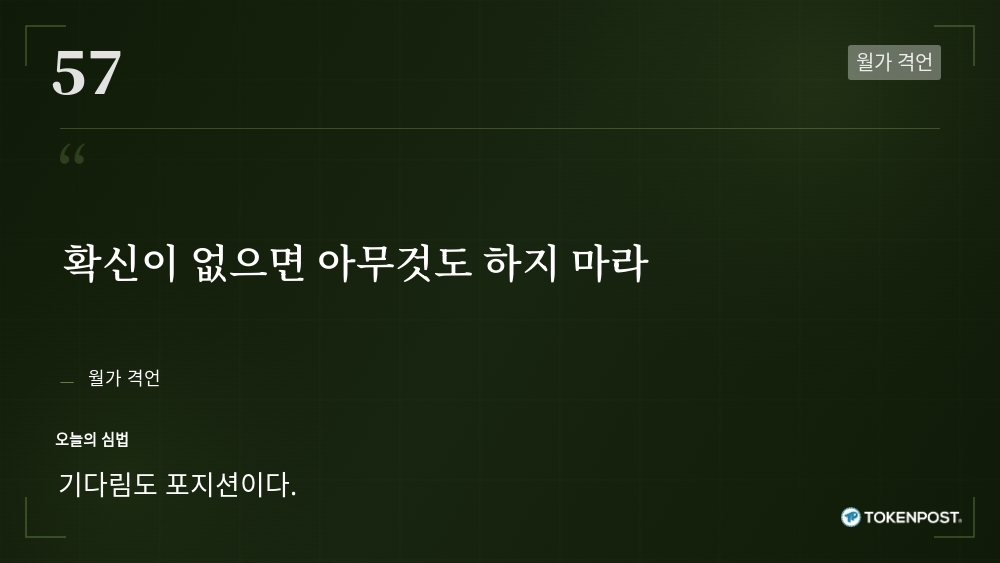
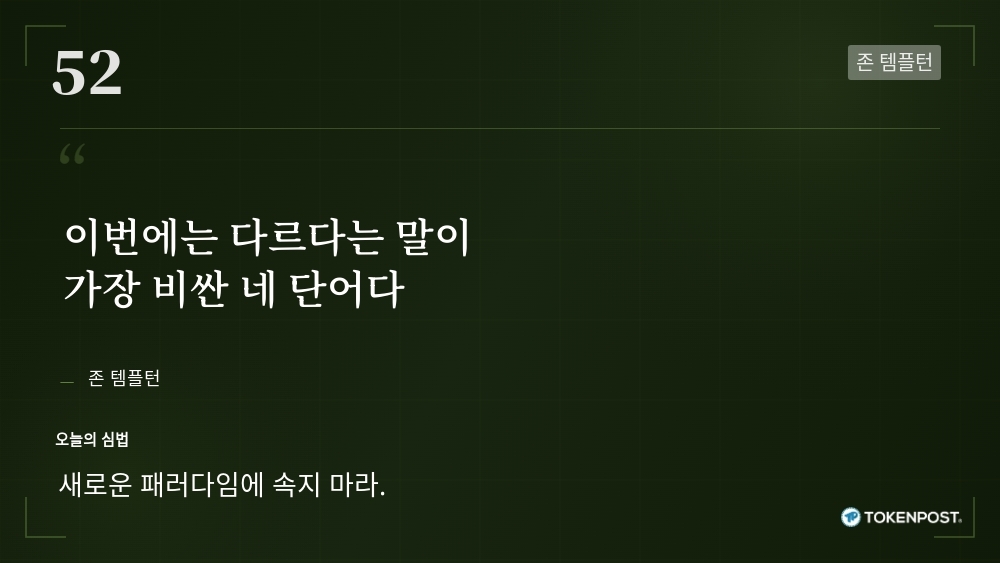
In a market driven as much by psychology as by price action, one Wall Street maxim is resurfacing among crypto traders: if you lack conviction, do nothing. The message is simple, but in an always-on digital asset market—where charts refresh by the second and narratives change by the hour—it has become increasingly difficult to follow.
The saying, widely circulated in global trading circles, speaks to a core challenge for investors: resisting the urge to act. Constant exposure to price alerts, macro headlines, influencer commentary, and community chatter can create a persistent sense that sitting still is equivalent to “missing out.” Yet seasoned market participants often argue the opposite—when uncertainty is high, action tends to be costly.
Crypto’s structural traits amplify that pressure. Unlike traditional markets with limited trading hours, major tokens trade around the clock, across fragmented venues, with rapid swings in 'liquidity' and sentiment. That environment can reward decisiveness, but it can also punish impulsive entries made without a clear thesis, defined risk limits, or a realistic time horizon. In that context, holding cash—or simply staying uncommitted—can function as a deliberate choice rather than a lack of direction.
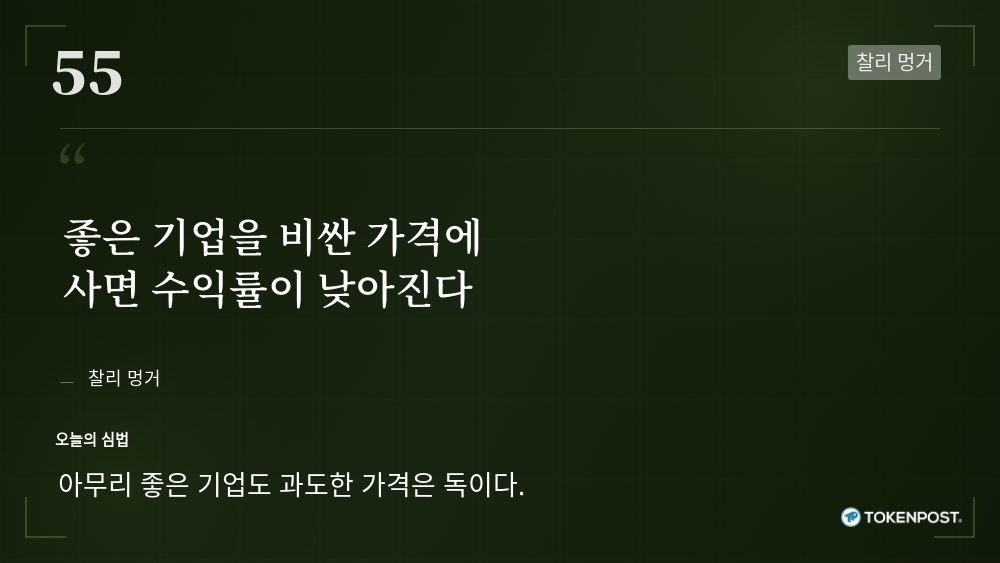
The principle is frequently linked to long-term investing philosophy. Charlie Munger famously suggested that truly great opportunities may be rare, implying that most of the time is spent waiting. The takeaway for crypto investors is not passivity, but selectivity: capital preservation and patience can be part of an intentional process, especially when price moves are dominated by noise rather than fundamentals.
Market practitioners often describe “doing nothing” as one of the hardest disciplines to master because it requires overcoming 'FOMO'—the fear of missing out. In practice, the divide between intermediate and advanced investors is often less about finding the next trade and more about recognizing when not to trade.
The maxim also reflects the broader tradition of “Wall Street sayings”—short, experience-driven rules that emerged from decades of trading across New York’s financial hub, home to institutions such as the New York Stock Exchange and Nasdaq. While not tied to any single author, these aphorisms form a collective memory of market behavior, distilling lessons about risk, crowd psychology, and the consequences of overtrading.
For crypto markets navigating shifting macro expectations, regulatory developments, and periodic volatility spikes, the broader implication is straightforward: patience can be a position. In times when conviction is absent, restraint may be the most rational trade on the board.
🔎 Market Interpretation
- Core message: In crypto, the Wall Street maxim “if you lack conviction, do nothing” is resurfacing as a response to overtrading and psychologically driven decision-making.
- Why it matters now: Always-on markets, constant alerts, and rapidly shifting narratives intensify the feeling that inactivity equals missing out—often leading to costly, low-quality trades.
- 24/7 structure amplifies pressure: Continuous trading across fragmented venues and fast changes in liquidity/sentiment reward decisiveness only when backed by a clear thesis—otherwise they punish impulse.
- “Patience as a position”: Staying in cash or remaining uncommitted can be an intentional risk-management stance, especially during noise-dominated price action.
- Investor skill gap: The difference between intermediate and advanced participants is framed less as spotting more trades and more as knowing when not to trade.
💡 Strategic Points
- Define conviction before entry: Only trade when you can articulate (1) a thesis, (2) invalidation level, (3) risk size, and (4) time horizon—otherwise default to no trade.
- Convert “doing nothing” into a rule: Treat inactivity as an active decision (e.g., “no position unless setup quality ≥ X”) to reduce impulsive reactions to headlines and social chatter.
- Prioritize capital preservation in uncertainty: When macro/regulatory conditions are unclear and volatility spikes, preserving optionality (cash) may outperform forced participation.
- Wait for high-quality opportunities: Echoing long-term investing philosophy (e.g., Munger-style selectivity), accept that truly asymmetric setups are rare and require patience.
- Guardrails against overtrading: Limit alert frequency, set predefined trading windows, and require a checklist confirmation to counter 24/7 market pressure and FOMO-driven entries.
- Separate noise from fundamentals: If the move is narrative-only and lacks fundamental support, consider standing aside until conditions become clearer.
📘 Glossary
- Conviction: A well-supported belief in a trade/investment backed by evidence, a clear thesis, and defined risk parameters.
- FOMO (Fear of Missing Out): The psychological urge to enter a trade to avoid feeling left behind, often leading to late or poorly planned entries.
- Liquidity: How easily an asset can be bought/sold without materially moving its price; liquidity can change quickly in crypto, increasing slippage and volatility.
- Overtrading: Excessive trading frequency, often driven by emotion or noise, which can increase fees, errors, and drawdowns.
- Time horizon: The expected holding period for a trade/investment (minutes, days, months), which should match the thesis and risk limits.
- Volatility spike: A sudden increase in price swings, often triggered by macro headlines, regulatory news, or liquidity shifts.
- Optionality: The benefit of holding cash/low exposure to preserve the ability to act later when clearer, higher-conviction opportunities appear.
- Thesis: The rationale for a position—what you believe will happen, why, and what would prove you wrong.















Comment 0