

 News
News  Coin Information
  About us
  Customer Service


 Add as a preferred source on Google
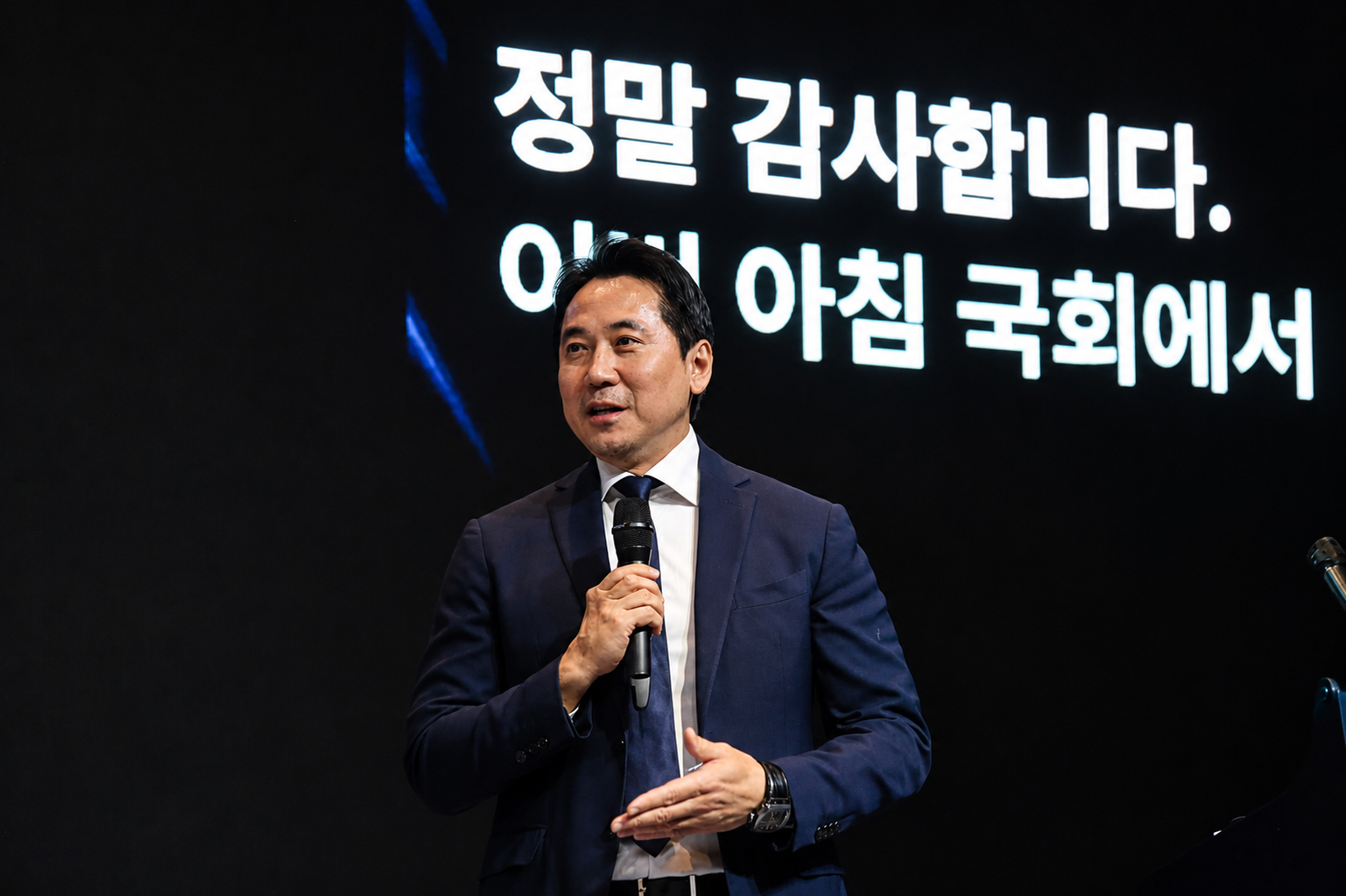
Hong Kong-based stablecoin issuer First Digital said the next phase of the stablecoin market will be defined less by a single dominant model and more by an ecosystem of specialized tokens—while the longer-term opportunity lies in combining stablecoins with AI-driven finance to address persistent gaps in financial access.
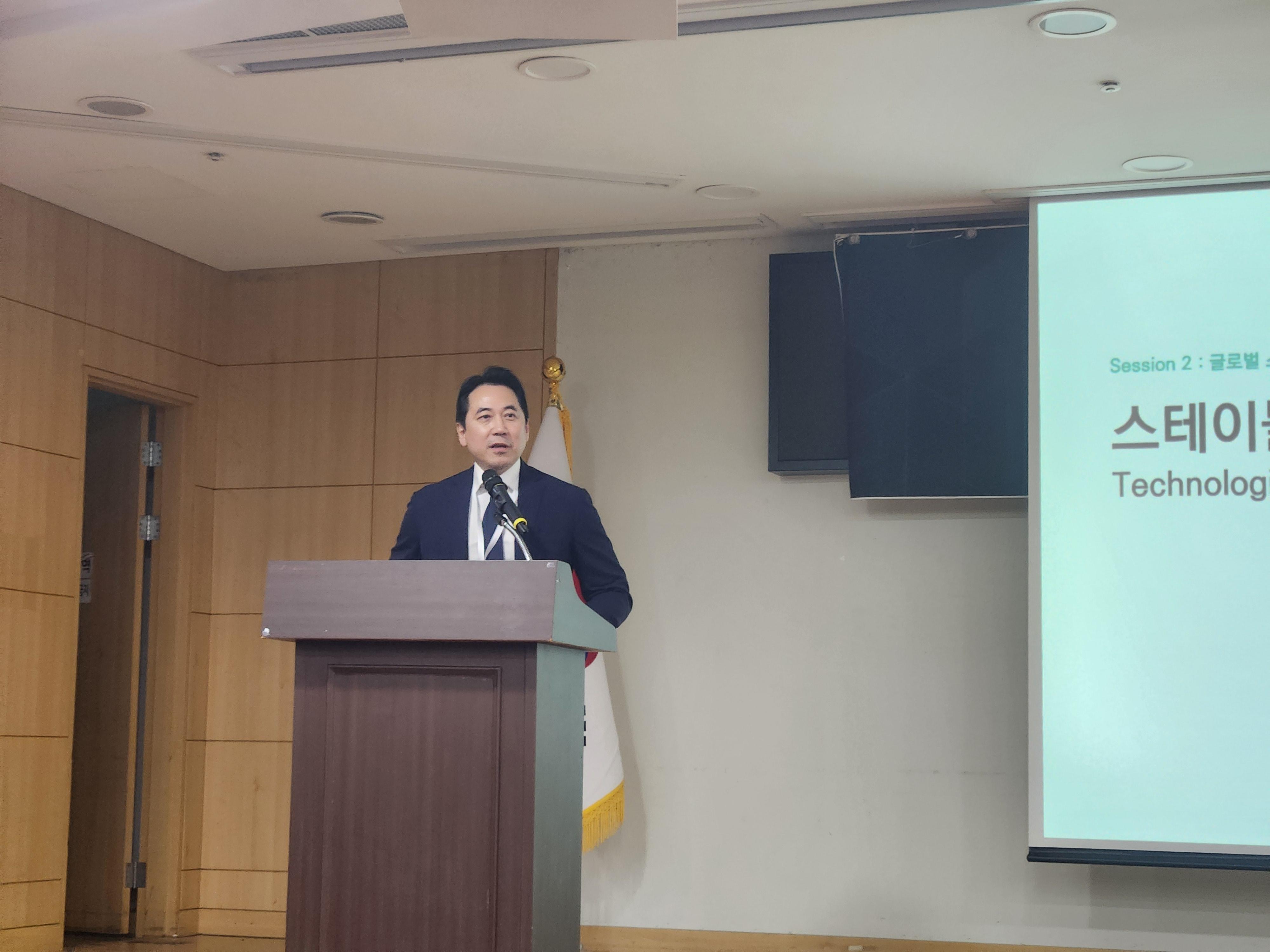
Speaking Tuesday at the ‘Institutional Web3 Forum’ in Seoul (Tuesday UTC), First Digital CEO Vincent Chok presented on “technological innovation in stablecoins and Asia market strategy,” outlining how stablecoins have evolved from exchange liquidity tools into broader financial infrastructure—and, potentially, into the default payment rail for an emerging ‘agent-based economy’ powered by AI.
Chok described stablecoins as moving through distinct adoption phases since the launch of Tether in 2014: first as a mechanism for ‘trading liquidity’ on crypto exchanges, then as core collateral within decentralized finance, and later as instruments increasingly used for payments and settlement. The next step, he argued, is expansion into systems where AI agents transact on users’ behalf, making stablecoins the settlement layer for automated economic activity.
“An era is coming where each individual will have an AI agent,” Chok said, adding that when agents begin to perform routine economic tasks—consumption, savings, asset allocation, and cross-border transactions—stablecoins become the “key means of payment” due to their programmability and near-instant settlement across networks.
He also suggested adoption will diverge by region. In developed markets, AI agents may initially function as efficiency tools that reduce friction in consumer and enterprise finance. In parts of the emerging world, however, AI-enabled stablecoin systems could become “essential for survival,” he said, pointing to communities where access to bank accounts or credit remains limited.
Chok framed this as a pathway to tackling the global ‘unbanked’ and underbanked problem—arguing that the convergence of blockchain, stablecoins, and AI could deliver always-on financial services without requiring traditional branch networks. The proposition resonates in Asia, where mobile-first fintech adoption has been strong, yet regulatory and banking access disparities remain pronounced across jurisdictions.
To illustrate First Digital’s direction, Chok introduced an AI-based financial platform called ‘Finance District,’ which he said is designed as a neutral layer supporting multiple stablecoins and blockchains. The concept centers on AI agents that can access the platform 24/7 to execute financial operations, with embedded mechanisms to distribute transaction-related costs automatically.
According to Chok, one module—‘Prism’—is intended to handle the allocation of fees and compliance-related expenses such as gas, intermediary fees, and KYC/AML costs during transactions. Another feature—‘Vault’—is positioned as an on-ramp from stablecoin deposits into tokenized real-world assets, such as products backed by U.S. Treasuries, reflecting the industry’s broader push to connect stablecoin liquidity with yield-bearing ‘RWA’ instruments.
The strategic bet is that open, multi-asset platforms will be better suited to a market where stablecoins proliferate by use case and currency. Chok emphasized that the industry is not heading toward a single-stablecoin equilibrium, but rather toward coexistence among tokens optimized for payments, settlement, or liquidity management. He also argued that non-dollar stablecoins will be increasingly important—citing the potential role of a future Korean won-based stablecoin alongside dollar-pegged products.
“We are building a platform that accommodates all kinds of stablecoins,” Chok said, describing the approach as a new direction for global financial infrastructure—particularly in markets where traditional financial access is constrained and digital alternatives can meaningfully expand economic participation.
The Institutional Web3 Forum was co-hosted by TokenPost, the Korea Fintech Industry Association (KORFIN), and the OpenBlockchain·DID Association (OBDIA), with Bithumb, Coinone, and Korbit serving as official sponsors. Organizers said roughly 100 invited participants from domestic banks, securities firms, insurers, fintech companies, and digital asset businesses attended to discuss institutional priorities including stablecoins, custody, and on-chain financial infrastructure.
Chok’s message underscored a broader shift in the institutional narrative around stablecoins: beyond being crypto market plumbing, stablecoins are being positioned as modular infrastructure for programmable finance—an argument that becomes more compelling as AI agents and tokenized assets push markets toward higher automation and continuous settlement.













Comment 0