

 News
News  Coin Information
  About us
  Customer Service



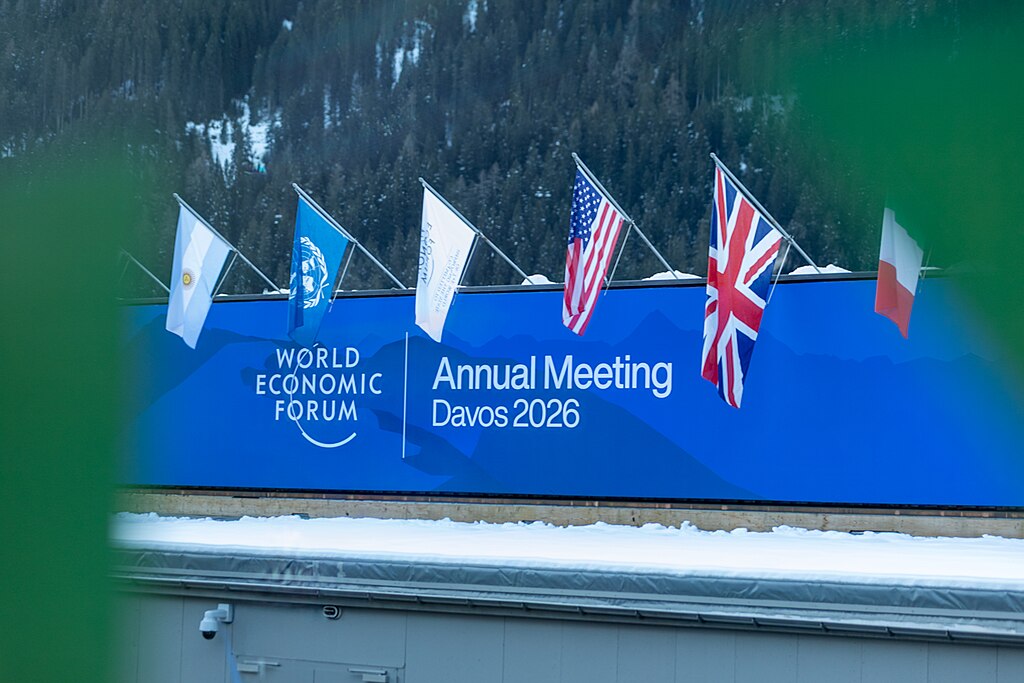
A panel at the World Economic Forum in Davos, Switzerland, intended to explore blockchain infrastructure quickly turned into a heated debate between crypto leaders and traditional financial authorities, highlighting deep divisions over stablecoin yields, bitcoin, and global regulation. The session, titled “Is Tokenization the Future?”, featured Coinbase CEO Brian Armstrong and Bank of France Governor François Villeroy de Galhau in a sharp exchange that underscored the growing tension between banks and the crypto industry.
The central point of contention was whether stablecoins should offer yield to holders. Armstrong argued that interest-bearing stablecoins are essential for consumer benefit and global competitiveness, emphasizing that users deserve better returns and that banning rewards could push innovation offshore. He pointed to China’s plans for an interest-paying central bank digital currency (CBDC) and warned that restrictive U.S. policies would only strengthen unregulated foreign alternatives.
Villeroy de Galhau firmly opposed the idea, viewing yield-bearing private tokens as a threat to financial stability. He rejected comparisons with CBDCs and stated that a digital euro should not pay interest, insisting that the primary goal of central bank money is preserving trust and systemic balance. Other panelists offered more nuanced views. Ripple CEO Brad Garlinghouse supported competition and fairness but acknowledged Ripple’s limited exposure to the yield debate. Standard Chartered CEO Bill Winters aligned more closely with crypto advocates, arguing that without yield, digital tokens lose appeal as a store of value.
The discussion also touched on U.S. crypto regulation, particularly the delayed CLARITY Act. Armstrong dismissed claims that the legislation had stalled, describing ongoing negotiations and defending Coinbase’s decision to withdraw support as resistance against banking lobby pressure. Garlinghouse echoed the need for a level playing field, stressing that both banks and crypto firms should meet comparable regulatory standards.
Tensions escalated further during a debate on bitcoin. Armstrong promoted the idea of a “Bitcoin standard” as protection against currency devaluation, while Villeroy warned about sovereignty and democratic control. Armstrong pushed back, emphasizing bitcoin’s decentralized nature and lack of a central issuer. Despite disagreements, participants ultimately agreed that innovation and regulation must coexist, signaling that dialogue between crypto and traditional finance is far from over.















Comment 0