

 News
News  Coin Information
  About us
  Customer Service




A long-running debate over Bitcoin governance has resurfaced after BTC Inc. CEO David Bailey accused Bitcoin developer Luke Dashjr of secretly introducing Bitcoin address blacklists into a Gentoo Linux package in 2014. The renewed criticism comes as Dashjr pushes BIP-110, a proposal aimed at restricting non-financial data, including images and Ordinals inscriptions, from being stored on the Bitcoin blockchain.
Bailey claimed Dashjr enabled the blacklist by default in the Gentoo-maintained version of Bitcoin software, preventing transactions involving gambling platforms such as SatoshiDice. The issue reportedly came to light only after users experienced failed transactions, triggering widespread criticism within the Bitcoin community. At the time, another Bitcoin Core developer argued that such changes should have been released as a separate version rather than the default software.
Supporters of Dashjr note that he later reversed the default setting, made the blacklist optional, apologized for the decision, and emphasized that Bitcoin Core itself never adopted the feature. Today, Dashjr remains a leading advocate for stricter anti-spam measures through Bitcoin Knots, an alternative Bitcoin client.
His proposed BIP-110 seeks to limit Ordinals inscriptions and other non-monetary data that supporters describe as blockchain spam. During the 2025 debate over Bitcoin spam, Bitcoin Knots reportedly powered about 20% of publicly reachable Bitcoin nodes, according to Coin.Dance. Dashjr has warned that Bitcoin's long-term future depends on limiting non-financial blockchain usage.
The proposal requires support from 55% of miners for activation, significantly below Bitcoin's traditional 95% threshold for major upgrades. However, miner signaling has remained below 1% since December 2025, peaking at just 0.79%.
Despite the low backing, nodes running Bitcoin Knots are expected to reject blocks that fail to signal support beginning in early August. Critics argue the move resembles the 2017 SegWit activation process but lacks the broad industry and market support that made SegWit successful.
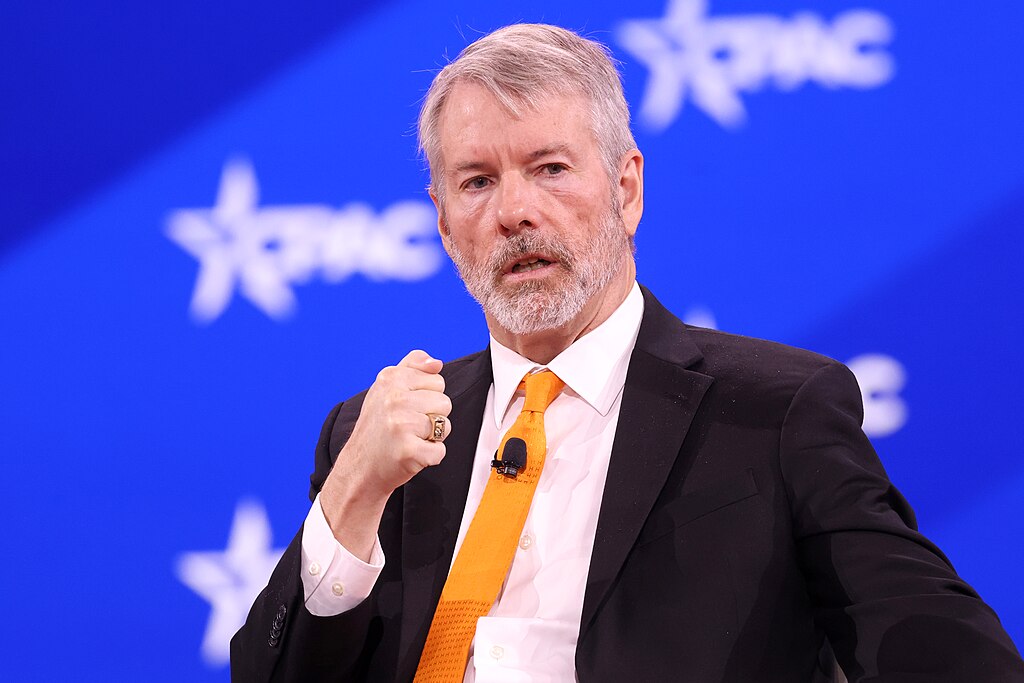
Prominent Bitcoin figures, including Strategy Executive Chairman Michael Saylor and Blockstream CEO Adam Back, have warned that BIP-110 could create unnecessary protocol risks and even trigger a chain split. Bailey also questioned how CME Bitcoin futures would determine the "real" Bitcoin chain if such a split occurred, arguing that traditional finance still misunderstands Bitcoin's decentralized governance model.
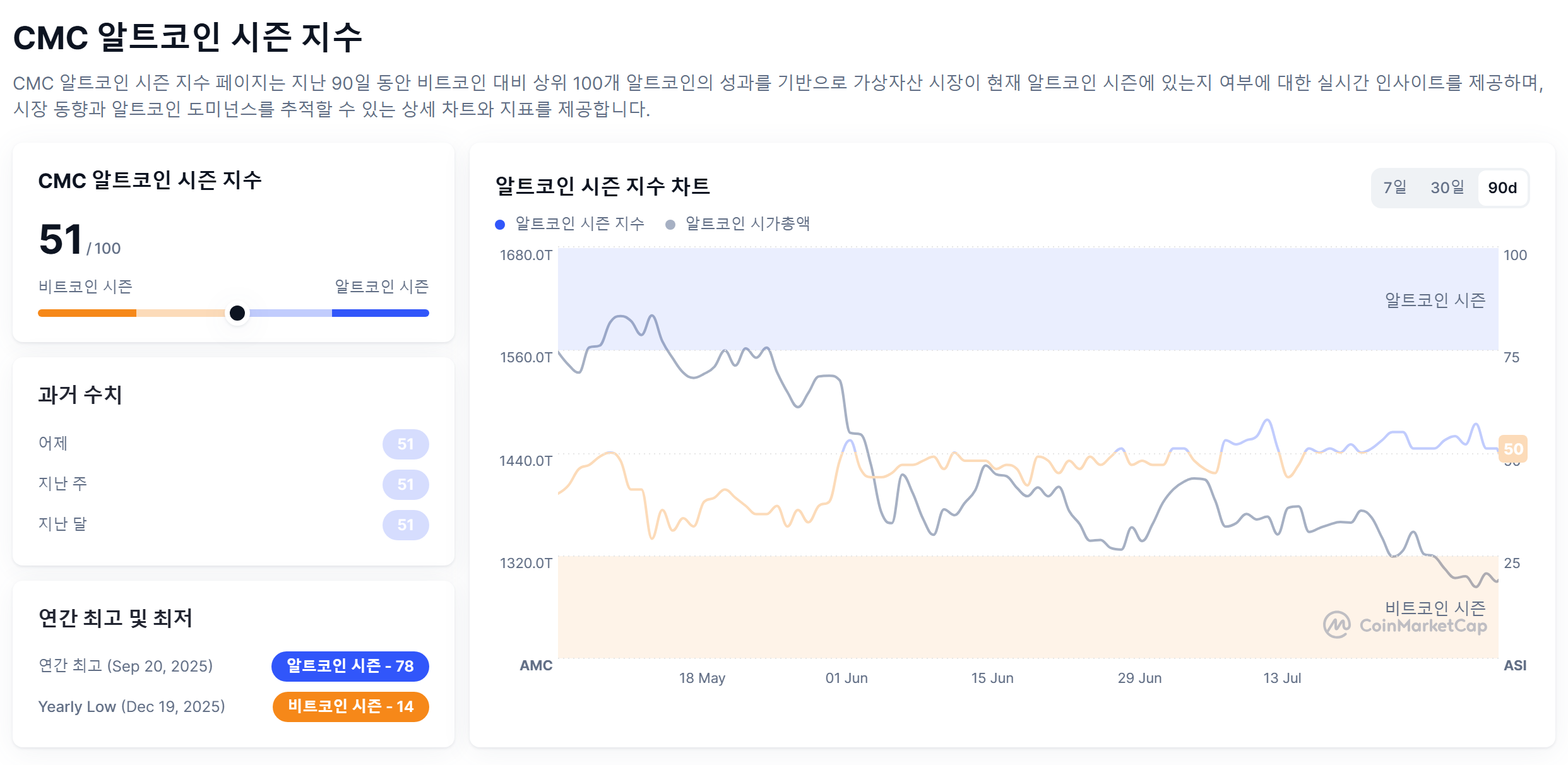
With Bitcoin's market capitalization approaching $1.3 trillion, the upcoming BIP-110 activation window has intensified debate over who ultimately shapes the future of the world's largest cryptocurrency.













Comment 0