

 News
News  Coin Information
  About us
  Customer Service




Binance founder Changpeng Zhao (CZ) has sparked fresh debate across the cryptocurrency industry after suggesting that Bitcoin creator Satoshi Nakamoto’s estimated 1.1 million BTC—worth roughly $68 billion—could be frozen if quantum computing threatens Bitcoin’s cryptographic security.
Speaking on a podcast with Galaxy Digital’s Alex Thorn, CZ proposed giving Satoshi six to 12 months to move the coins if quantum computers become capable of breaking Bitcoin’s encryption. If the funds remain untouched, he suggested the Bitcoin community could consider freezing the addresses to prevent hackers from stealing them.
CZ argued that doing nothing could ultimately hand the massive Bitcoin stash to attackers. However, the proposal has divided leading crypto investors, developers, and industry executives.
Transform Ventures founder and CEO Michael Terpin opposed the idea, warning that freezing Satoshi’s Bitcoin would undermine Bitcoin’s core principle as a permissionless and decentralized network. Terpin said such a move could create a dangerous precedent by allowing the blockchain to interfere with private property rights. While acknowledging that a quantum attack could eventually unlock dormant coins, he believes any resulting market selloff would likely be temporary, with Bitcoin recovering after adopting post-quantum security measures.
Casa co-founder and Chief Security Officer Jameson Lopp argued that the discussion should focus less on Satoshi’s holdings and more on preparing Bitcoin for a quantum-resistant future. Lopp, who authored Bitcoin Improvement Proposal (BIP) 361, supports a phased migration to post-quantum cryptography that encourages exchanges, wallets, custodians, and institutions to upgrade before current encryption becomes vulnerable.
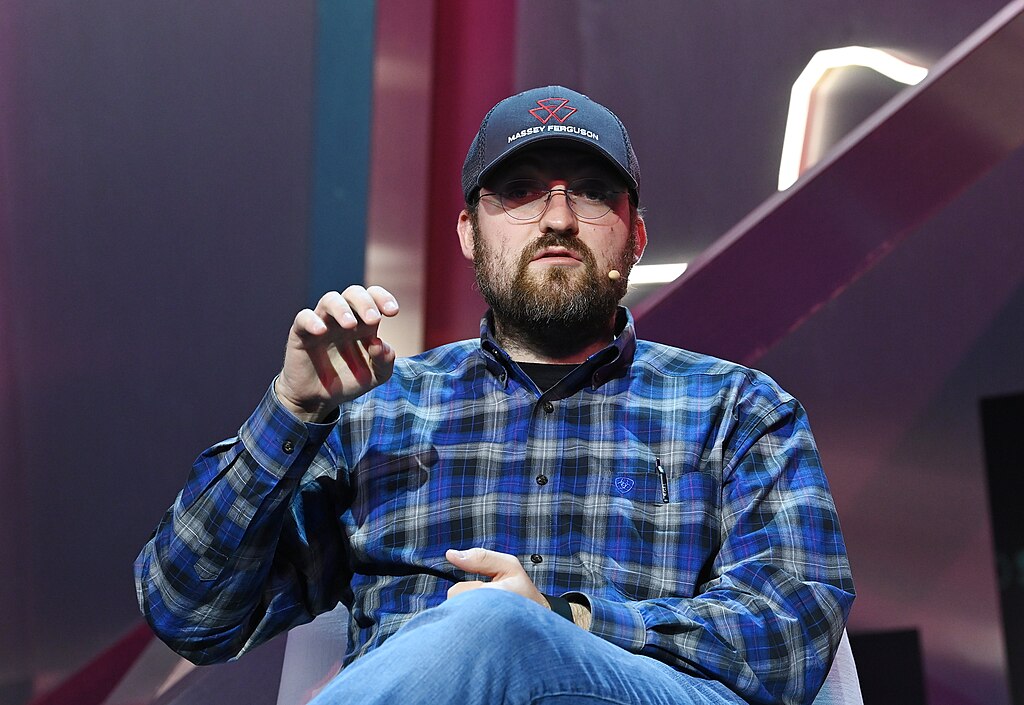
Meanwhile, Bitwise Chief Investment Officer Matt Hougan rejected both freezing the coins and allowing them to be stolen. Instead, he endorsed a proposal from Castle Island Ventures partner Nic Carter, which would place Satoshi’s Bitcoin into a legal trust until ownership can be verified using historical electronic records.
Hougan noted that markets already treat Satoshi’s Bitcoin as permanently inactive, meaning any change to its status could introduce unnecessary uncertainty. For now, the debate remains theoretical as researchers continue developing practical post-quantum cryptography, and the Bitcoin community has yet to reach consensus on how the network should respond to future quantum computing risks.










Comment 0