

 News
News  Coin Information
  About us
  Customer Service



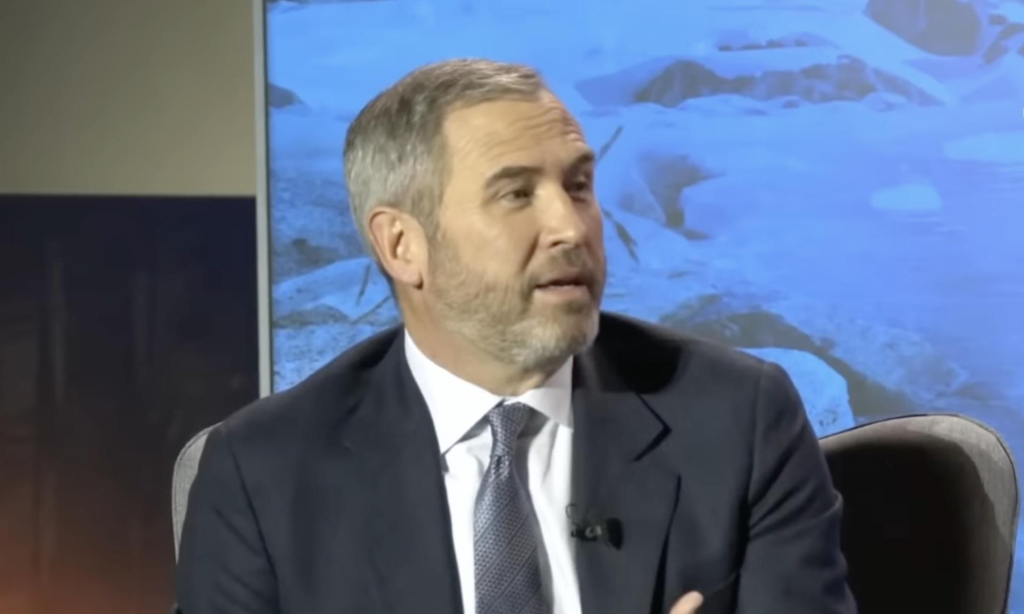
The long-running dispute between Ripple CEO Brad Garlinghouse and Strategy Executive Chairman Michael Saylor has reignited, with Garlinghouse once again criticizing Saylor’s Bitcoin-focused investment strategy. The latest exchange underscores the ongoing divide between advocates of Bitcoin maximalism and supporters of utility-driven blockchain ecosystems.
In a recent post on social media, Garlinghouse quoted a segment from CNBC’s Squawk on the Street, stating, “Financial engineering doesn't drive long-term value. Utility does.” The remark echoed comments he made during his television appearance, where he argued that Strategy’s approach to accumulating Bitcoin has been detrimental to the broader cryptocurrency market.
Garlinghouse specifically criticized Strategy’s reliance on issuing preferred securities to finance additional Bitcoin purchases. According to the Ripple CEO, the company’s debt-backed acquisition model prioritizes financial engineering over developing blockchain technology with real-world applications. He suggested that this strategy increases financial risk rather than creating sustainable value for the crypto industry.
To support his position, Garlinghouse pointed to the performance of Strategy’s STRC preferred shares. The securities, which carry an 11.5% cumulative annual dividend, have reportedly traded about 25% below their $100 face value. Garlinghouse described the decline as a negative signal from investors, arguing that leveraged financing strategies can amplify losses during market downturns and create broader risks for the digital asset sector.
The Ripple chief reiterated that cryptocurrencies with practical use cases and institutional adoption are more likely to achieve long-term success than projects driven primarily by aggressive capital-raising strategies. He maintained that blockchain utility—not financial structuring—will ultimately determine lasting value in the digital asset market.
The public disagreement reflects years of tension between Garlinghouse and Saylor. In 2022, Saylor labeled XRP an “unregistered security” and urged the U.S. Securities and Exchange Commission (SEC) to take action against XRP and several other altcoins. His longstanding belief that Bitcoin is the only digital asset suitable for institutional investors has frequently put him at odds with Ripple’s vision for the broader cryptocurrency ecosystem.
Although Saylor recently expressed support for the concept of a U.S. strategic cryptocurrency reserve that could potentially include XRP alongside other digital assets, the relationship between the two executives remains strained. Garlinghouse’s latest criticism suggests he sees Strategy’s recent market challenges as evidence that debt-fueled Bitcoin accumulation is less sustainable than blockchain projects focused on real-world utility and enterprise adoption.
As the debate between Bitcoin maximalism and utility-focused blockchain development continues, the differing perspectives of Garlinghouse and Saylor remain influential in shaping discussions about the future direction of the cryptocurrency industry.















Comment 0