

 News
News  Coin Information
  About us
  Customer Service



The race between MicroStrategy and BitMine Immersion Technologies to dominate corporate crypto holdings is intensifying, with BitMine currently pulling ahead. Both firms are aggressively accumulating digital assets, but their strategies, funding models, and timelines reveal key differences that could shape the future of Bitcoin (BTC) and Ethereum (ETH).
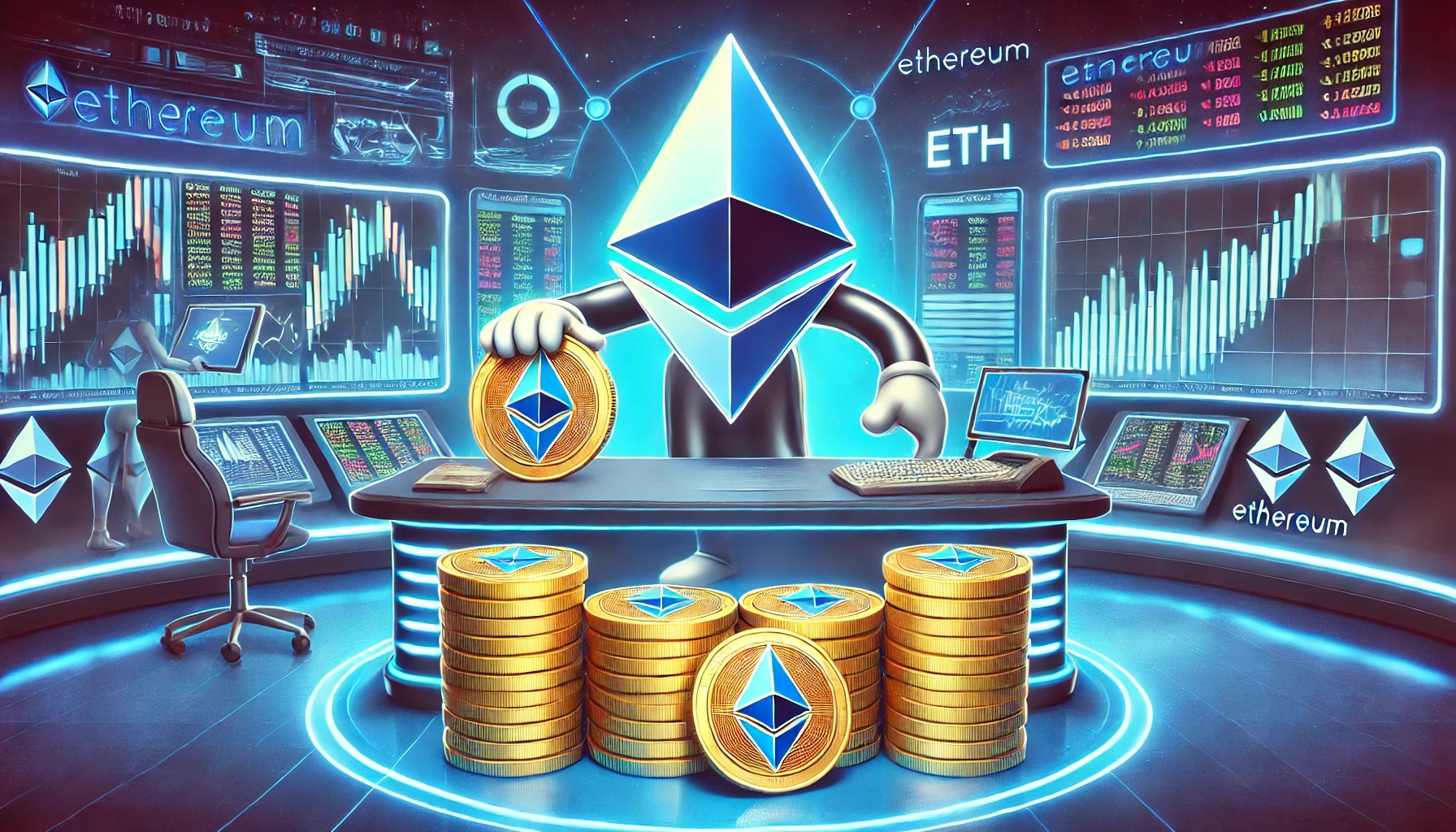
BitMine recently surpassed 5 million ETH, reaching approximately 84% of its target to control 5% of Ethereum’s total supply. At current prices, its holdings are valued at around $11.5 billion, contributing to total assets of roughly $13.3 billion when combined with cash and equity investments. To hit its goal, BitMine needs about 1 million more ETH, requiring an estimated $2.4 billion—an achievable figure given its recent capital inflows.
In contrast, MicroStrategy holds 818,334 BTC and is still about 181,666 coins short of its ambitious 1 million BTC target. With Bitcoin priced near $77,000, the company needs close to $14 billion to close the gap—almost six times more capital than BitMine requires. MicroStrategy’s approach relies heavily on debt and equity financing, including preferred shares, resulting in $8.25 billion in debt and $13.53 billion in preferred stock, along with annual dividend obligations of $1.49 billion.
A major advantage for BitMine lies in its ability to generate yield. The company stakes 3.7 million ETH through its validator network, earning roughly 3% annually, which translates to about $264 million in revenue. Full staking could push that figure to over $360 million per year. MicroStrategy, on the other hand, holds a non-yielding asset, making its strategy more dependent on Bitcoin price appreciation.
If MicroStrategy reaches 1 million BTC, it would control nearly 4.76% of Bitcoin’s total supply, potentially tightening market liquidity and driving prices higher. Meanwhile, BitMine’s ETH accumulation and staking could significantly reduce circulating supply, increasing Ethereum’s price sensitivity to demand.
With strong institutional backing and a more capital-efficient path, BitMine appears better positioned to reach its target first. However, the long-term impact on BTC and ETH will depend on sustained demand, funding stability, and market conditions.











Comment 0