

 News
News  Coin Information
  About us
  Customer Service


 Add as a preferred source on Google


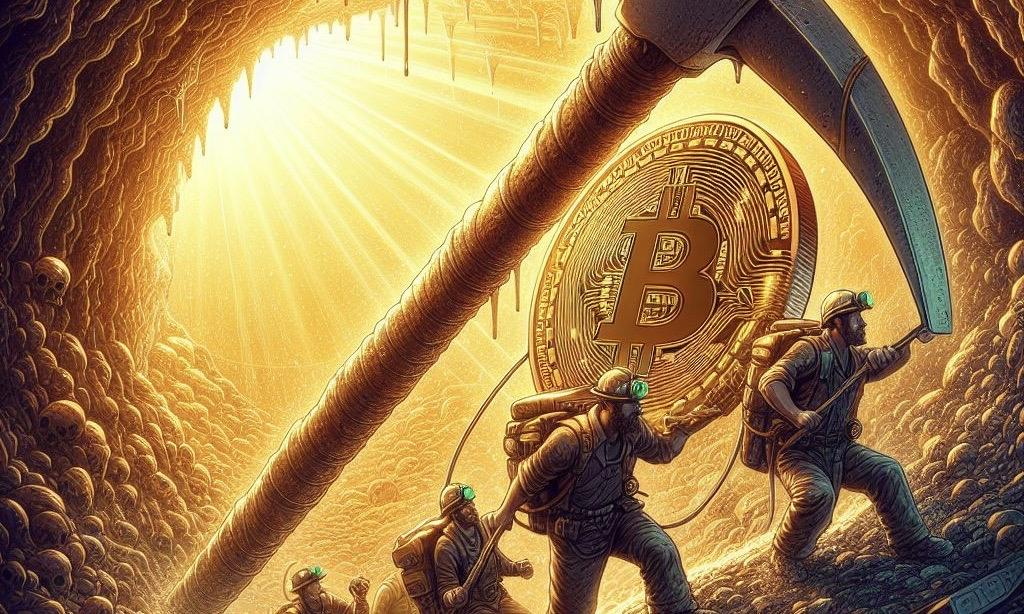
Bitcoin developer Paul Sztorc is once again pushing for major changes to the Bitcoin network, introducing a bold proposal known as the eCash hard fork. After years of unsuccessful attempts to gain consensus within the community, Sztorc now plans to create a separate blockchain by copying Bitcoin’s existing codebase. This new network, expected to launch in August 2026 at block height 964,000, will distribute eCash tokens to current Bitcoin holders on a 1:1 basis, allowing users to keep, sell, or ignore the new assets.
A hard fork in cryptocurrency occurs when developers split a blockchain into two independent paths due to disagreements over upgrades or features. Both chains share the same transaction history up to the split but operate differently afterward. This approach mirrors the 2017 Bitcoin Cash fork, which emerged from disputes over Bitcoin’s block size limitations and transaction capacity.
The eCash project introduces Drivechains, a scaling solution designed to improve Bitcoin’s functionality without altering its core protocol. These sidechains allow Bitcoin to move between different chains, enabling developers to experiment with features such as privacy enhancements, decentralized exchanges, and quantum-resistant systems. This innovation aims to expand Bitcoin’s ecosystem while preserving its base layer stability.
Despite its technical ambitions, the proposal has triggered controversy, particularly regarding its funding model. Sztorc suggests reallocating a portion of coins linked to Bitcoin’s anonymous creator, Satoshi Nakamoto, to incentivize early investors. Critics argue this sets a dangerous precedent, raising concerns about security, ownership rights, and trust within the crypto space.
Industry voices have strongly opposed the idea, warning that repurposing dormant coins could undermine confidence in Bitcoin’s integrity. As debate intensifies, the eCash hard fork highlights ongoing tensions between innovation and decentralization, leaving the future of this proposal uncertain.











Comment 0