

 News
News  Coin Information
  About us
  Customer Service



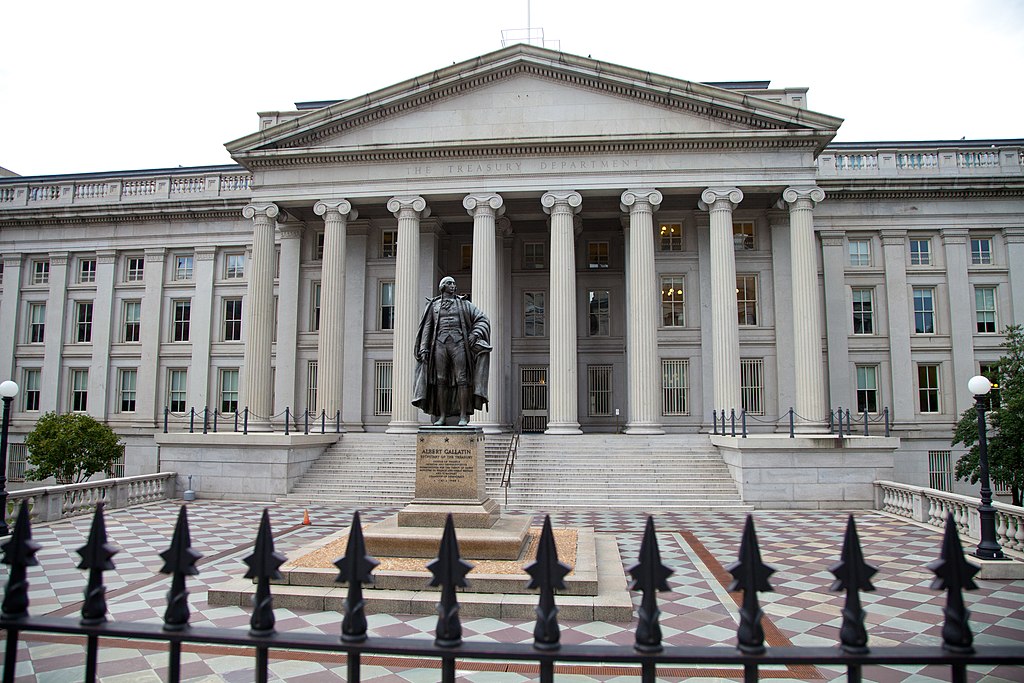
The US Treasury has expanded its payment options by allowing PayPal and Venmo transactions for voluntary contributions to reduce the national debt through its Pay.gov platform. This update brings renewed attention to the long-running “Gifts to Reduce the Public Debt” program, even as larger policy solutions like the proposed Strategic Bitcoin Reserve struggle to gain traction in Congress.
Originally established in 1961 under federal law, the debt donation program has collected approximately $67 million since 1996. Despite recent viral attention, contributions remain relatively small. Monthly donations average around $120,000, with February 2026 recording just $30,000 in inflows. These figures pale in comparison to the United States’ $39 trillion national debt and nearly $88 billion in monthly interest payments.
The introduction of modern payment methods like Venmo and PayPal aims to make it easier for individuals to contribute, but the scale of donations remains negligible relative to the country’s fiscal challenges. Policymakers continue to debate broader solutions, including spending cuts and alternative financial strategies.
Senator Rand Paul has advocated for his “Six Penny Plan,” which proposes cutting six cents from every federal dollar over five years to balance the budget. Meanwhile, cryptocurrency supporters are pushing for a different approach through the BITCOIN Act of 2025. Introduced by Senator Cynthia Lummis, the bill suggests acquiring 1 million Bitcoin over five years to create a Strategic Bitcoin Reserve.
Investment firm VanEck estimates such a reserve could potentially reduce US debt by 36% by 2050, assuming Bitcoin gains a larger share of global financial assets. However, the proposal remains stalled in Congress, and no new funding has been approved. Although an executive order previously outlined the use of seized Bitcoin assets, implementation deadlines have already passed.
With legislative solutions delayed, the US faces a stark contrast between small-scale voluntary debt donations and ambitious but uncertain cryptocurrency-based strategies.



















Comment 0