

 News
News  Coin Information
  About us
  Customer Service


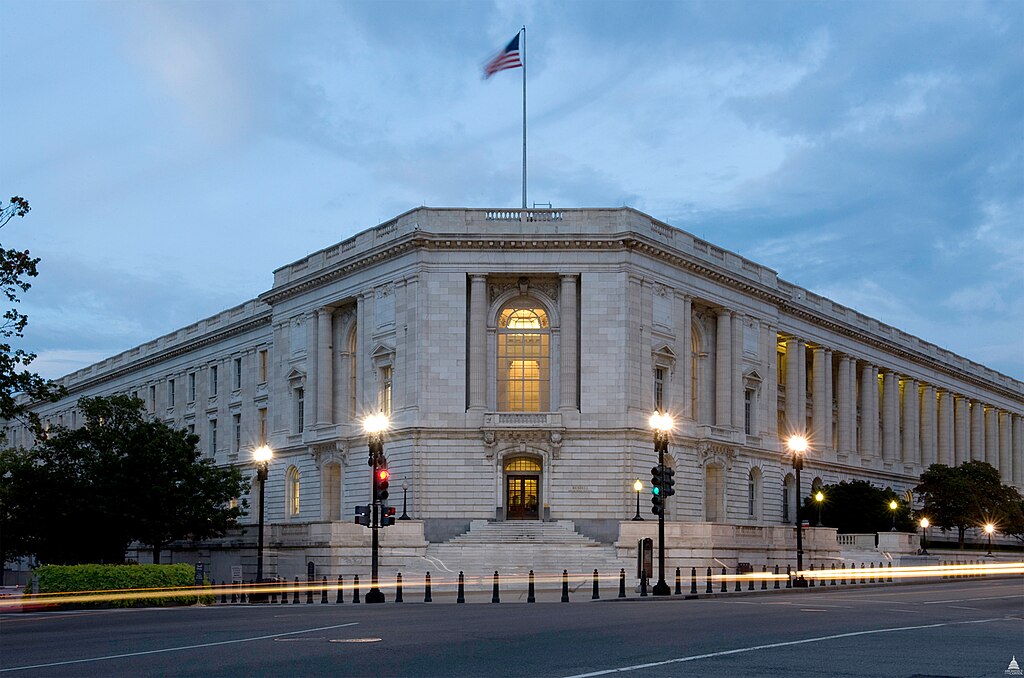
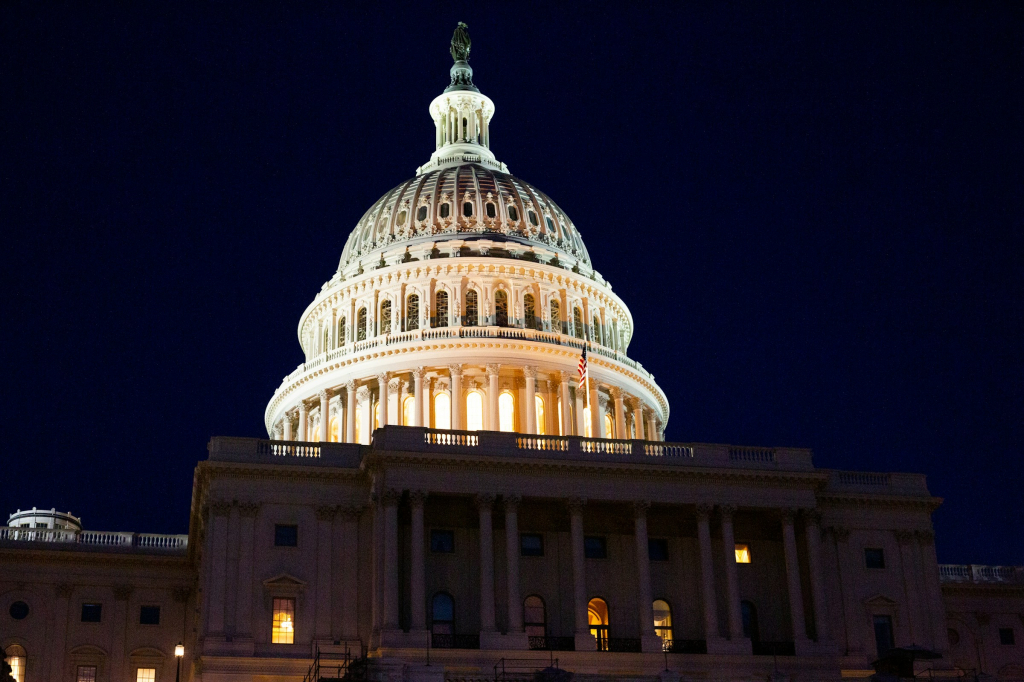
The U.S. Senate has delayed consideration of the Digital Asset Market Clarity Act as lawmakers prioritize a Russia sanctions package and federal nominations, narrowing the window for advancing one of the cryptocurrency industry's most important regulatory bills before Congress begins its summer recess.
Senate Majority Leader John Thune is expected to focus on processing a package of nominees before moving to legislation targeting Russia. The sanctions bill, which would impose penalties on Russian leadership and tariffs on certain trading partners, is entering the Senate's cloture process—a series of procedural steps that can take several days and typically prevent the chamber from handling another contested bill simultaneously.
As a result, the Clarity Act is unlikely to reach the Senate floor before next week, leaving only the final days before the scheduled August 8 recess. Even then, the legislation still faces unresolved negotiations over a controversial ethics provision that would restrict senior government officials, including President Donald Trump, from supporting cryptocurrency projects.
The ethics debate remains a major obstacle despite reports of progress. Trump recently indicated he would accept limits on his involvement with digital assets, a move praised by the White House as an unprecedented ethics commitment. However, Democratic lawmakers argue the proposal does not go far enough to address concerns surrounding the president's crypto-related business interests, and negotiations continue.
If the Digital Asset Market Clarity Act fails to advance this year, the crypto industry could face further delays in achieving comprehensive U.S. regulatory clarity. In that scenario, attention would likely shift to the implementation of the GENIUS Act governing stablecoins, along with ongoing rulemaking efforts by the U.S. Securities and Exchange Commission (SEC) and the Commodity Futures Trading Commission (CFTC).
Even if the Senate approves the bill, it must return to the House of Representatives for final passage before reaching President Trump's desk. While Trump has publicly urged lawmakers to complete the Clarity Act, recent disputes over unrelated legislation have raised uncertainty over the broader congressional agenda. If the president does not sign or veto the bill within 10 days after congressional approval, it would automatically become law under the U.S. Constitution.


















Comment 0