

 News
News  Coin Information
  About us
  Customer Service



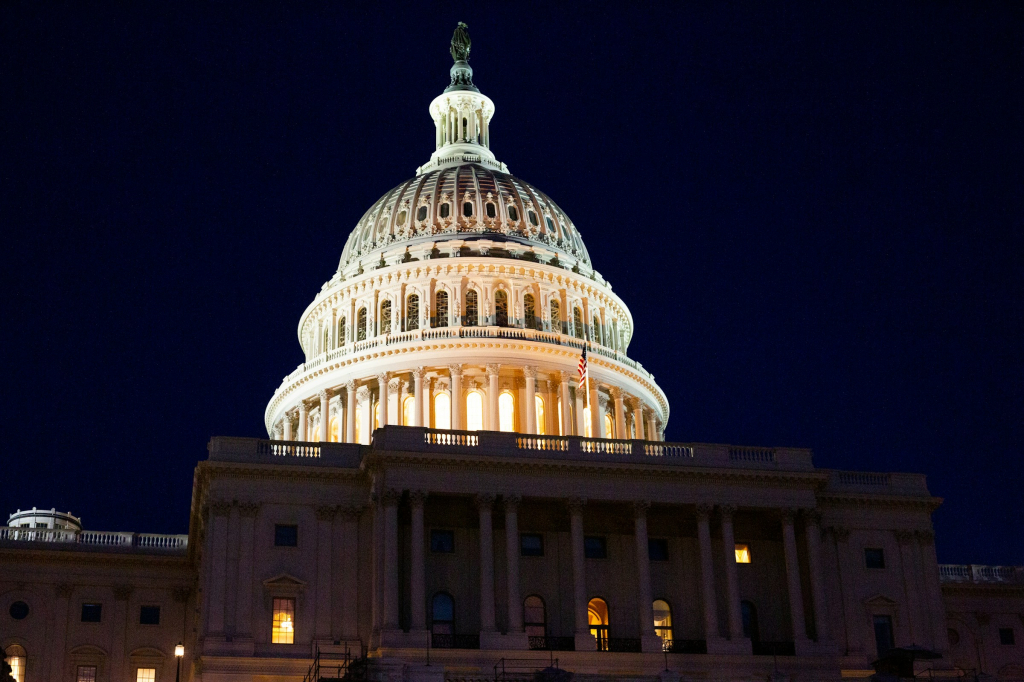
Congressmen Steven Horsford (D-Nev.) and Max Miller (R-Ohio) have re-introduced the Digital Asset Protection, Accountability, Regulation, Innovation, Taxation and Yields (PARITY) Act, signaling a significant push to modernize how the United States taxes cryptocurrency. For anyone holding digital assets in America, this legislation could directly affect how you report transactions and calculate your tax obligations.
Originally released as a discussion draft in December 2025, the updated March 2026 version of the PARITY Act introduces several notable changes. One of the most talked-about provisions involves de minimis exemptions — a concept the crypto industry has long advocated for. These exemptions would allow small everyday transactions, like using stablecoins to pay for coffee, to go unreported without triggering a taxable event.
The December draft proposed a $200 threshold specifically for regulated payment stablecoins. The revised March version takes a different approach: rather than setting a fixed dollar limit, it states that no gain or loss will be recognized on stablecoin sales unless the taxpayer's cost basis falls below 99 percent of the stablecoin's redemption value. It also establishes a deemed $1 basis for exchanges, treating them separately from outright sales.
Another key provision introduces wash sale rules to digital asset trading — a widely expected change that even bipartisan lawmakers have previously supported. The bill also draws a clear distinction between passive staking income and active trading activities, which could have meaningful tax implications for different types of crypto participants.
While the path forward remains uncertain, with questions lingering around whether crypto provisions will be folded into any broader reconciliation tax legislation, industry insiders are actively lobbying for inclusion. As Congressional tax discussions intensify in the coming months, cryptocurrency holders across the U.S. should stay closely informed — the rules governing digital assets may be changing sooner than expected.















Comment 0