

 News
News  Coin Information
  About us
  Customer Service



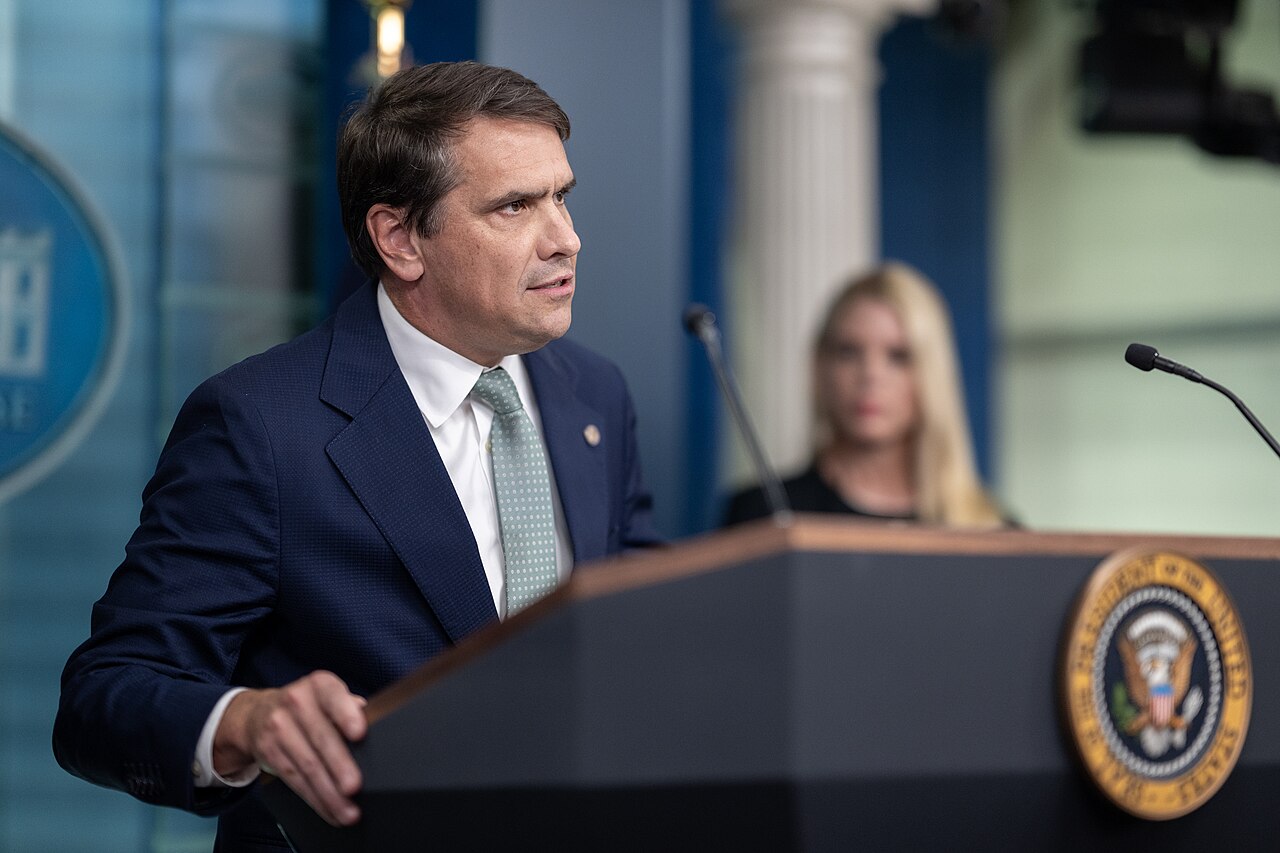
Patrick Witt, the White House's chief crypto adviser and executive director of the President's Council of Advisors for Digital Assets, confirmed that negotiations surrounding the Digital Asset Market Clarity Act are advancing steadily. Speaking on CoinDesk TV, Witt expressed cautious optimism that a key bipartisan compromise on stablecoin yield will hold, clearing the path for the bill to move forward in the U.S. Senate.
The stablecoin yield debate had been a major roadblock, with banking lobbyists warning that allowing stablecoin holders to earn returns similar to bank interest could threaten traditional deposit bases. Witt described resolving this issue as a prerequisite before tackling remaining challenges. "We're hopeful that the compromise that has been reached will be durable and will hold," he stated, adding that considerable progress has been made quietly on other outstanding issues.
Beyond yield, the legislation faces additional hurdles, including illicit finance safeguards within the decentralized finance sector and Democratic demands that senior government officials, including President Donald Trump, be prohibited from personally profiting off digital assets. While Witt declined to specify which issues have been resolved, he confirmed that many once-difficult sticking points have now been addressed.
Before the Clarity Act can advance to a full Senate vote, it must first pass through a markup hearing in the Senate Banking Committee, a step that was nearly reached earlier this year before banking industry objections caused delays. Last week, White House economists published a report pushing back on banking sector concerns about stablecoin yield, though the American Bankers Association quickly disputed those findings. Witt acknowledged the divide within the banking community, noting that attitudes toward stablecoins vary significantly depending on each institution's familiarity with the technology.
"All of these issues felt intractable and unsolvable at one point in time," Witt said, expressing confidence that remaining obstacles can still be overcome.














Comment 0