

 News
News  Coin Information
  About us
  Customer Service



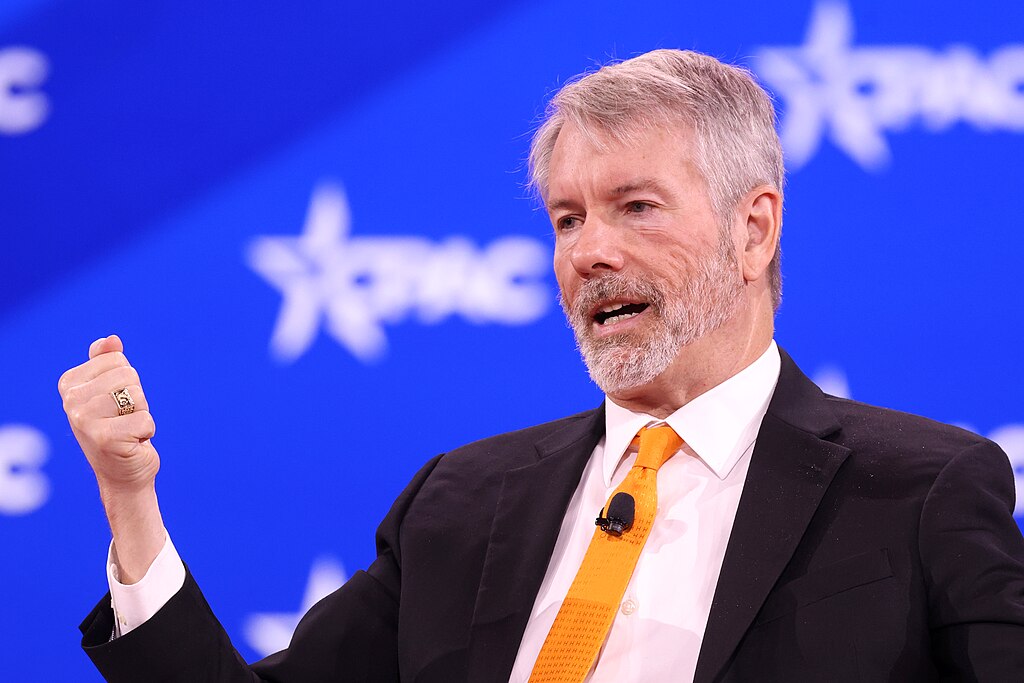
Michael Saylor, co-founder of MicroStrategy, believes Bitcoin has won the global narrative battle but points to internal protocol disputes as the cryptocurrency's most serious remaining vulnerability. At the center of his concern is BIP-110, a controversial Bitcoin Improvement Proposal that has divided the crypto community into two opposing factions.
BIP-110, introduced by developer Dathon Ohm and supported by the Bitcoin Knots team, proposes a temporary one-year soft fork aimed at restricting non-monetary data within Bitcoin transactions. The proposal specifically targets Ordinals inscriptions, BRC-20 tokens, and oversized OP_RETURN payloads that critics argue bloat the blockchain and inflate transaction fees for everyday users.
Saylor described harmful protocol changes as "iatrogenic," borrowing a medical term that refers to conditions caused by the very treatment meant to cure them. His message was pointed: well-intentioned upgrades could unintentionally damage what makes Bitcoin valuable in the first place.
The debate has drawn prominent voices from across the industry. Blockstream CEO Adam Back cautioned that intervening at the consensus level could undermine Bitcoin's credibility as a store of value and open the door to future transaction censorship. Meanwhile, David Bailey, CEO of Nakamoto and organizer of the Bitcoin Conference, publicly invited BIP-110 supporters into open dialogue, though some dismissed the gesture as a marketing move rather than sincere outreach.
One flashpoint in the technical dispute is BIP-110's proposed activation threshold of 55% miner hash power, which falls well short of Bitcoin's conventional 95% standard. Ocean mining pool became the first to signal support for the proposal in March 2026, keeping the conversation alive heading into a potential activation decision later this year.
Saylor also argued that Bitcoin's traditional four-year halving cycle no longer drives price action, suggesting institutional capital and bank lending are now the dominant market forces shaping BTC's trajectory.

















Comment 0