

 News
News  Coin Information
  About us
  Customer Service


Solana (SOL) is holding a closely watched $78 support level, a technically significant area that traders say is increasingly shaping near-term direction as the broader crypto market searches for conviction. Despite a modest dip over the past day, SOL’s ability to defend this range—alongside fresh institutional-style product launches and a major network uptime milestone—has kept attention on the Layer 1’s evolving risk-reward profile.
As of Friday UTC, CoinMarketCap data showed Solana trading around $78, giving the token a market capitalization of roughly $45.4 billion and a 24-hour trading volume above $1.7 billion. SOL was down about 1.16% on the day, but still up nearly 19.8% over the past month, underscoring a rebound that has not been smooth: over the last 60 days, SOL remains down about 18.1%, reflecting the kind of volatility typical of high-beta altcoins.
A key fundamental talking point this week came from the Solana mainnet reaching its 1,000th 'epoch' on July 10. In Solana’s architecture, an epoch is a network period—typically around two to three days—used for validator set updates and staking reward mechanics. Hitting the 1,000-epoch mark implies more than five years of continuous operation since the chain’s 2020 launch, a narrative boost for a network that has previously faced scrutiny over outages and performance disruptions.
Industry research cited in local reporting noted that Solana’s early instability has been addressed through iterative upgrades, helping the chain sustain its hallmark mix of high throughput and low fees while improving reliability. For developers and users, that combination remains Solana’s clearest competitive pitch against Ethereum (ETH) and other smart contract platforms, particularly in sectors where transaction costs and speed are critical, such as DeFi, NFTs, and on-chain gaming.
Still, the week’s positive operational headline was complicated by a security incident involving a 'genesis' wallet associated with Solana’s early token distribution. The wallet was reportedly compromised, with losses estimated at around $14.2 million worth of SOL. Attackers allegedly unstaked tokens and then used a bridge to move assets onto the Ethereum network, though the precise exploit path has not been publicly confirmed.
Importantly, analysts framed the incident as a wallet security failure rather than a protocol-level vulnerability in the Solana network itself. Security specialists reiterated that large, high-value wallets—especially those tied to early allocations—should employ hardened safeguards such as multisignature controls, hardware storage, and rigorous operational procedures to reduce single-point-of-failure risk.
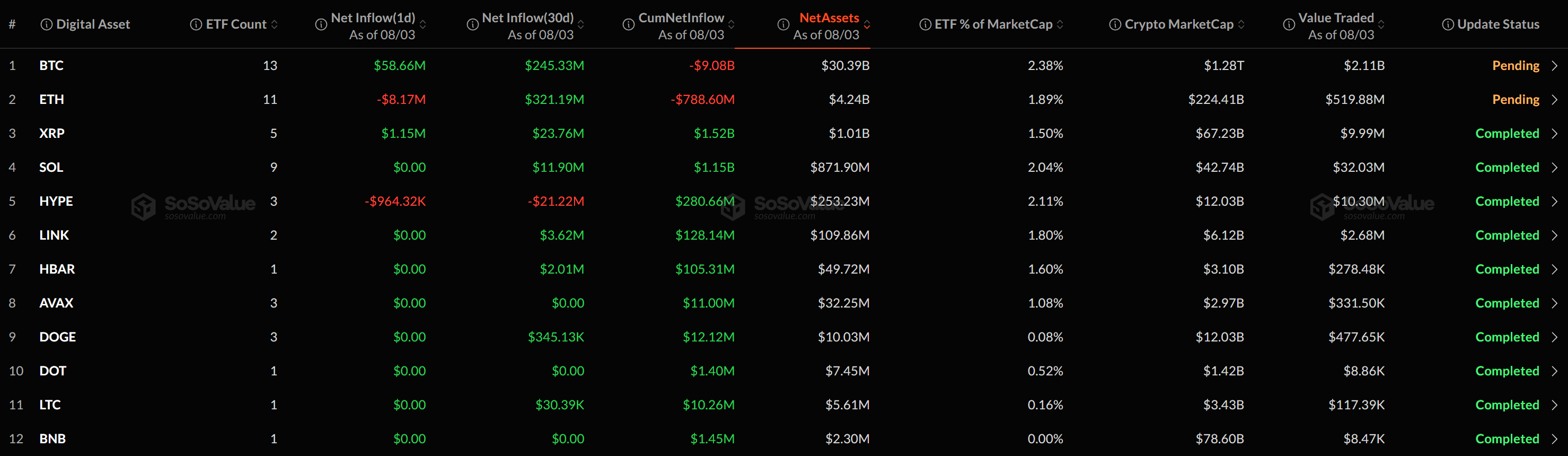
On the demand side, market participants are tracking a steady rollout of new access points for SOL exposure. Coinbase highlighted multiple product developments, including VanEck launching a Solana-focused fund, SoFi enabling SOL trading for its users, and SOL Strategies rolling out an official staking service. The trend suggests a gradual broadening of participation channels, which can matter for liquidity depth and market structure even when price action remains rangebound.
The expansion of staking offerings, in particular, is being watched as both a user incentive and a network security tailwind, since staking participation supports validator economics and chain resilience. Solana’s tokenomics operate under an inflationary model without a fixed maximum supply, though the ecosystem seeks to balance issuance through staking dynamics and token burn mechanisms.
Technically, $78 has emerged as the key line in the sand. Market commentary cited in Korean coverage said the level has been tested several times in recent weeks, with buyers repeatedly stepping in to trigger rebounds—an early sign of 'dip-buying' interest. At the same time, analysts cautioned that reported sell-side pressure—estimated at roughly $794 million—could amplify short-term swings if broader risk sentiment deteriorates.
Solana currently ranks seventh by market capitalization, accounting for about 2.06% of the total crypto market, according to the figures referenced in the report. With activity ticking higher—24-hour volume up around 3.42%—traders and investors appear to be positioning around the same themes: improving network reliability, expanding institutional-style access, and the ongoing need for tighter security practices around high-value holdings.
For now, the market’s immediate focus remains whether SOL can continue to hold the $78 support zone. A sustained defense would reinforce the view that the recent recovery has a foundation, while a breakdown could invite renewed volatility. Longer term, the combination of ecosystem growth and a multi-year uptime milestone strengthens Solana’s credibility as a high-performance alternative smart contract platform, even as headline security incidents remind the market that operational security remains a critical layer of crypto risk.




Comment 0