

 News
News  Coin Information
  About us
  Customer Service



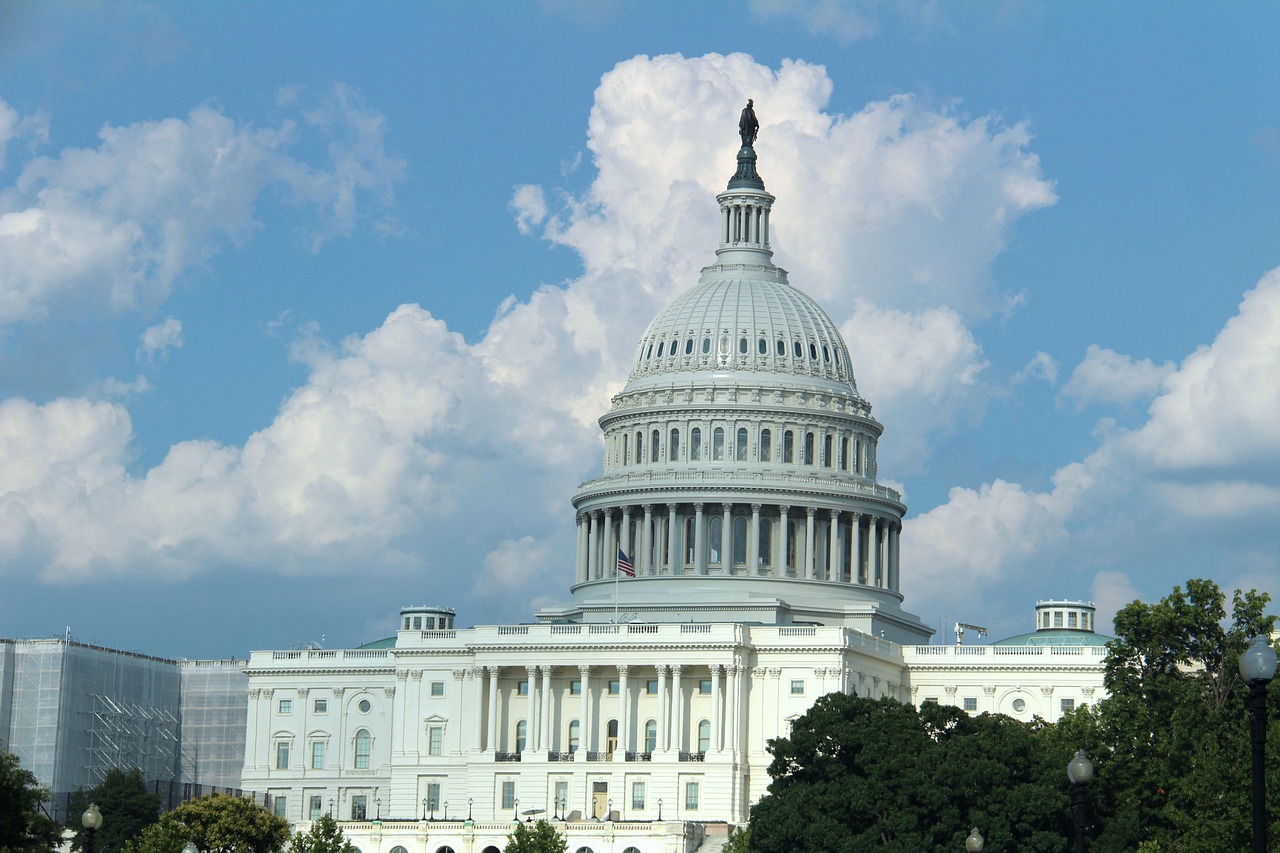
The White House is stepping up efforts to advance the U.S. Senate’s Digital Asset Market Clarity Act, scheduling a meeting with law enforcement organizations on Monday to address concerns over provisions tied to cryptocurrency regulation and illicit finance.
According to a source familiar with the discussions, the meeting aims to resolve objections surrounding Section 604 of the legislation, commonly referred to as the Blockchain Regulatory Certainty Act (BRCA). The provision is designed to clarify that software developers who do not control users’ digital assets should not be classified as “money transmitters,” a safeguard that the crypto industry argues is essential for the continued growth of decentralized finance (DeFi) and blockchain innovation.
However, several law enforcement organizations remain skeptical. The National Sheriffs’ Association has warned that the language could unintentionally shield crypto mixers, tumblers, and certain DeFi services from regulatory oversight. In a letter sent to Senate Banking Committee leaders in May, the group argued that while some developers should not be subject to Bank Secrecy Act (BSA) requirements, others actively involved in money transmission should remain accountable.
White House officials, including senior crypto adviser Patrick Witt, have been working to keep the crypto market structure bill on track by holding discussions with law enforcement groups and financial industry representatives. While the administration has not publicly commented on Monday’s planned meeting, it is viewed as another attempt to bridge differences before Senate consideration.
Industry organizations such as the Blockchain Association continue to support the legislation, arguing that the bill strengthens enforcement against illicit actors while providing long-needed regulatory clarity for legitimate crypto businesses. Supporters also contend that failing to pass comprehensive legislation would leave significant regulatory gaps across the digital asset sector.
Speaking at an industry event earlier this month, Witt defended the proposal, saying the legislation would introduce meaningful regulatory standards for crypto businesses currently operating under legal uncertainty. He also argued that law enforcement agencies stand to benefit because the framework would provide clearer enforcement tools against bad actors.
Opposition remains strong among several Democratic lawmakers. Senator Elizabeth Warren, the ranking Democrat on the Senate Banking Committee, has repeatedly criticized the bill, citing the use of cryptocurrencies by criminal organizations, drug trafficking networks, and human traffickers. She and other critics argue that stronger anti-money laundering protections are needed before Congress approves the legislation.
Despite those objections, Senate Majority Leader John Thune is reportedly considering bringing the Clarity Act to the Senate floor within the coming weeks. Punchbowl News reported that leadership may proceed with a vote even if Democrats remain divided. Banking Committee Chairman Tim Scott also signaled support, posting on X that the Senate should vote on crypto market structure legislation in July.
The bill faces a challenging path forward, as it will require 60 votes in the Senate, making bipartisan support essential. With only a few weeks remaining before Congress begins its summer recess, lawmakers are still negotiating several contentious issues, including strengthening the Commodity Futures Trading Commission (CFTC) and adding ethics rules that would prohibit senior government officials, including the president, from holding personal financial interests in the cryptocurrency industry.
Several lawmakers have indicated they will not support the measure unless the conflict-of-interest provisions are strengthened, including Democratic senators who previously backed the bill during the Banking Committee markup.
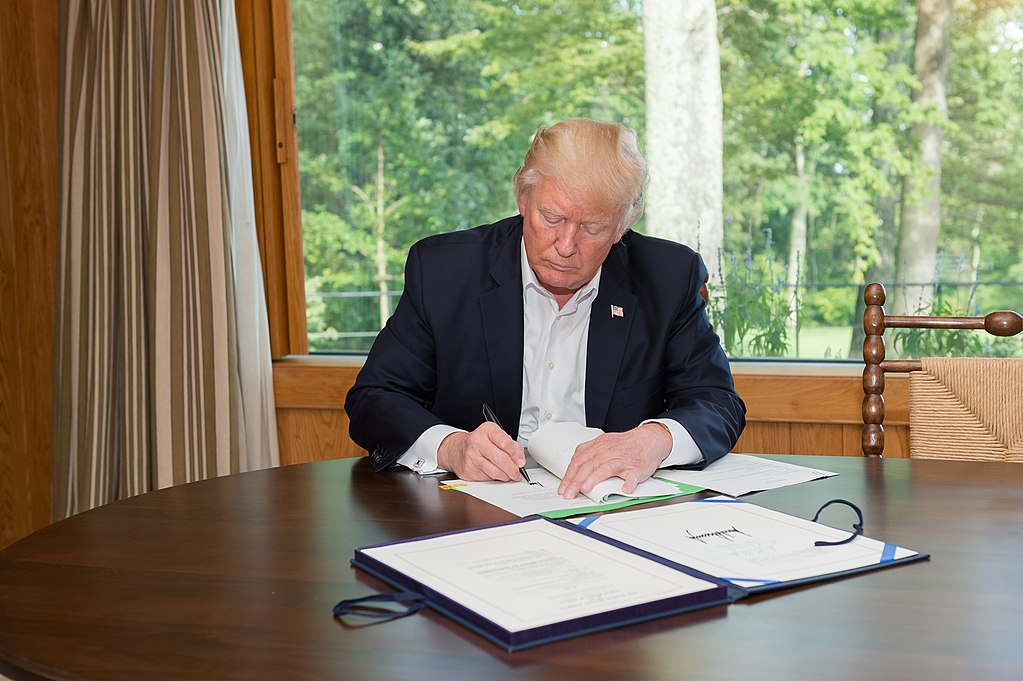
The broader legislative environment could also affect the crypto bill’s timeline. Congress is currently dealing with President Donald Trump’s refusal to sign a major housing affordability bill until lawmakers approve separate voter identification legislation requiring proof of U.S. citizenship. While it remains unclear whether that position could influence the fate of the Clarity Act, the housing legislation will test whether Trump allows bills to become law through the Constitution’s automatic 10-day approval process without his signature.
TD Cowen policy analyst Jaret Seiberg said he expects the housing legislation to become law despite the canceled signing ceremony, noting that it would automatically take effect unless President Trump signs or vetoes it before the constitutional deadline. As Senate negotiations continue, the outcome of the White House’s discussions with law enforcement could prove critical to securing enough bipartisan support for one of the most significant cryptocurrency regulatory bills currently before Congress.

















Comment 0