

 News
News  Coin Information
  About us
  Customer Service




Michael Saylor has introduced a new set of Bitcoin treasury metrics for Strategy (NASDAQ: MSTR), formerly MicroStrategy, as investors and analysts debate whether the company’s aggressive leverage strategy can continue benefiting shareholders.
The new metrics arrive during a challenging period for MSTR stock. Shares are currently trading below the company’s modified net asset value (mNAV), meaning the market values the stock at less than the value of its Bitcoin holdings after accounting for debt and preferred share obligations. While Saylor presents the metrics as a step forward in measuring shareholder value, critics argue they may simply reframe existing concerns.
Strategy already reports several Bitcoin-focused key performance indicators (KPIs), including Bitcoin Per Share, BTC Yield, BTC Gain, and BTC Dollar Gain. Beginning in January 2026, the company also adjusted how these metrics are calculated during interim reporting periods.
Saylor’s latest additions include CEBE BPS (Common Equity Bitcoin Exposure Per Share), which measures Bitcoin exposure after senior financial obligations are considered, and “Amplification,” a metric designed to highlight the impact of leverage on shareholder returns. According to Saylor, long-term, low-cost liabilities can enhance shareholder gains if Bitcoin’s annual return rate exceeds the company’s cost of capital.
However, these new measurements are not included in Strategy’s official regulatory filings.
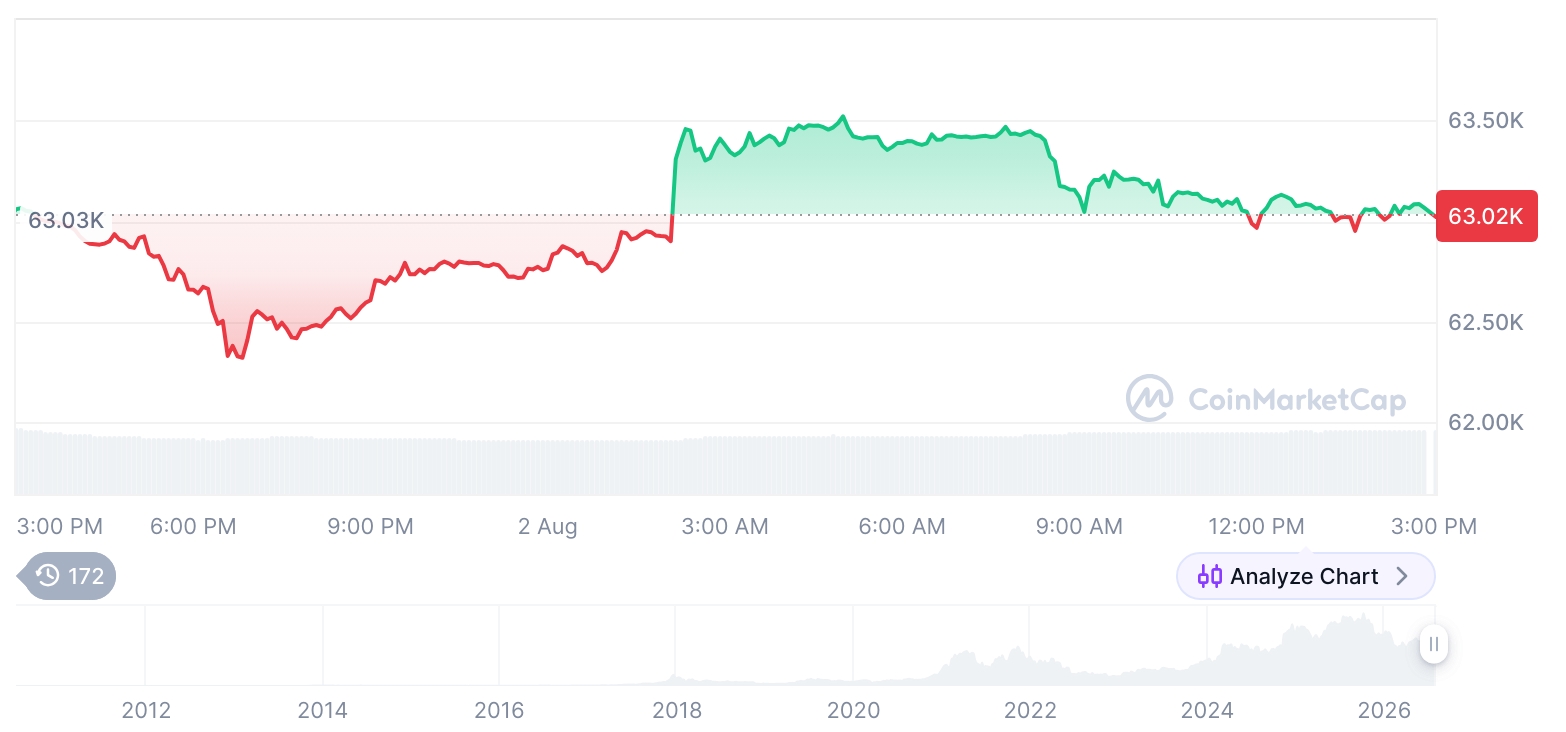
Strategy remains the largest corporate holder of Bitcoin, owning approximately 845,256 BTC acquired through a buying program launched in 2020. While the holdings are valued at roughly $54 billion at current prices, company filings show an average purchase price near $75,700 per Bitcoin, placing the position underwater with BTC trading around $64,000.
The company reported a first-quarter unrealized loss of $14.5 billion, contributing to a net loss of $12.5 billion. Despite the setback, Saylor continues to advocate for additional Bitcoin purchases.
Market observers remain divided. Some analysts warn that issuing more shares could dilute Bitcoin exposure per share, while additional preferred stock would increase financial obligations. Others argue the company’s metrics focus on capital efficiency rather than valuation.
Ultimately, Strategy’s future performance may depend on Bitcoin’s price trajectory. A strong Bitcoin rally could validate Saylor’s leveraged Bitcoin strategy and strengthen MSTR stock. If Bitcoin remains stagnant, however, the company’s growing debt and preferred share commitments could continue weighing on shareholder value.

















Comment 0