

 News
News  Coin Information
  About us
  Customer Service



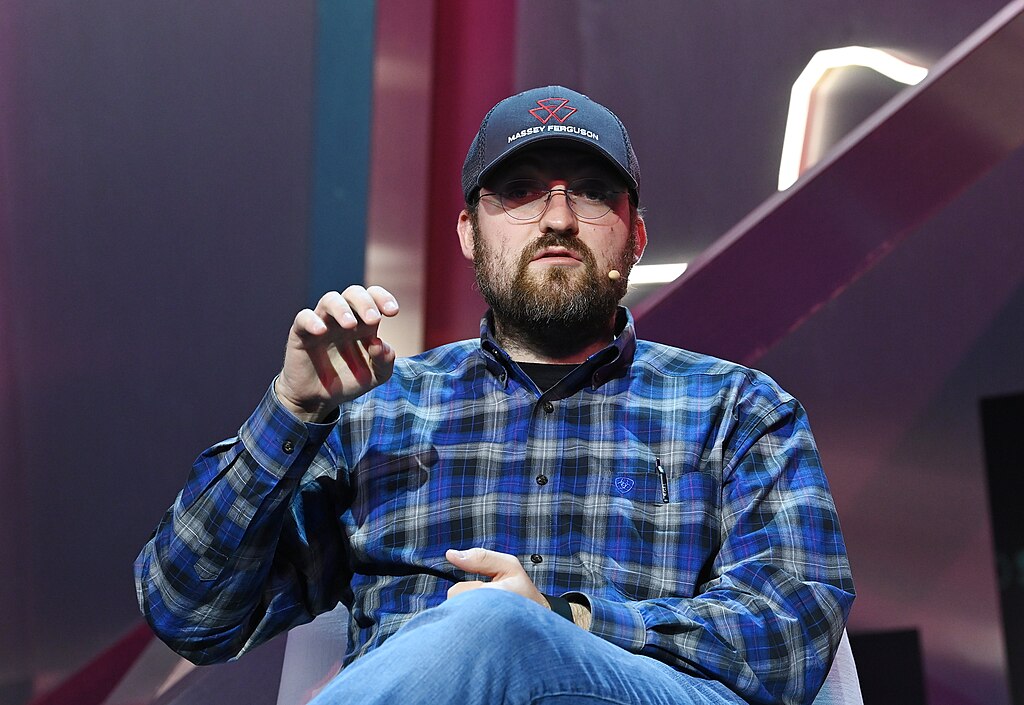
Charles Hoskinson has provided his most detailed explanation yet regarding the long-debated 1,096 Bitcoin (BTC) linked to Cardano’s early ADA crowdsale, arguing that the funds were used to pay auditors who reviewed the project’s fundraising process in 2016.
During a recent livestream, the Cardano founder said the disputed Bitcoin originated from an audit request outlined in a March 2016 email sent by Michael Parsons, who was serving as chairman of the Cardano Foundation at the time. According to Hoskinson, the audit was conducted to verify the integrity of Cardano’s token sale, which raised approximately $62 million between 2015 and 2017, largely from Japanese investors.
Hoskinson cited Bitcoin’s market value in March 2016, noting that BTC traded at roughly $414 per coin. Based on that valuation, he estimated the 1,096 BTC payment amounted to around $400,000 and was distributed among three auditors: Michael Parsons, John Maguire, and Bruce Milligan.
He emphasized that the payment was intended to support a comprehensive review of the ADA crowdsale and ensure there was no misuse of funds. However, the issue remains controversial because the same amount of Bitcoin would be worth roughly $70 million at current market prices.
Adding to the scrutiny, Parsons stepped down as chairman of the Cardano Foundation in 2018 after disagreements involving governance and transparency between the Foundation, IOHK, and EMURGO.
Hoskinson also criticized ongoing allegations surrounding the funds, claiming that repeated demands for explanations are designed to generate outrage rather than uncover facts. He argued that responding to every accusation consumes resources that could otherwise be invested in the Cardano ecosystem.
Despite the explanation, investor Thomas Braziel called for additional documentation, including invoices, approvals, and payment records. Braziel argued that the central issue is not whether audits required compensation, but rather obtaining clear evidence showing where the 1,096 BTC was sent and who ultimately received it.
The debate continues as questions surrounding Cardano’s early fundraising structure persist, particularly regarding the allocation of Bitcoin raised during the crowdsale and the distribution of assets between IOHK and the Cardano Foundation.











Comment 0