

 News
News  Coin Information
  About us
  Customer Service



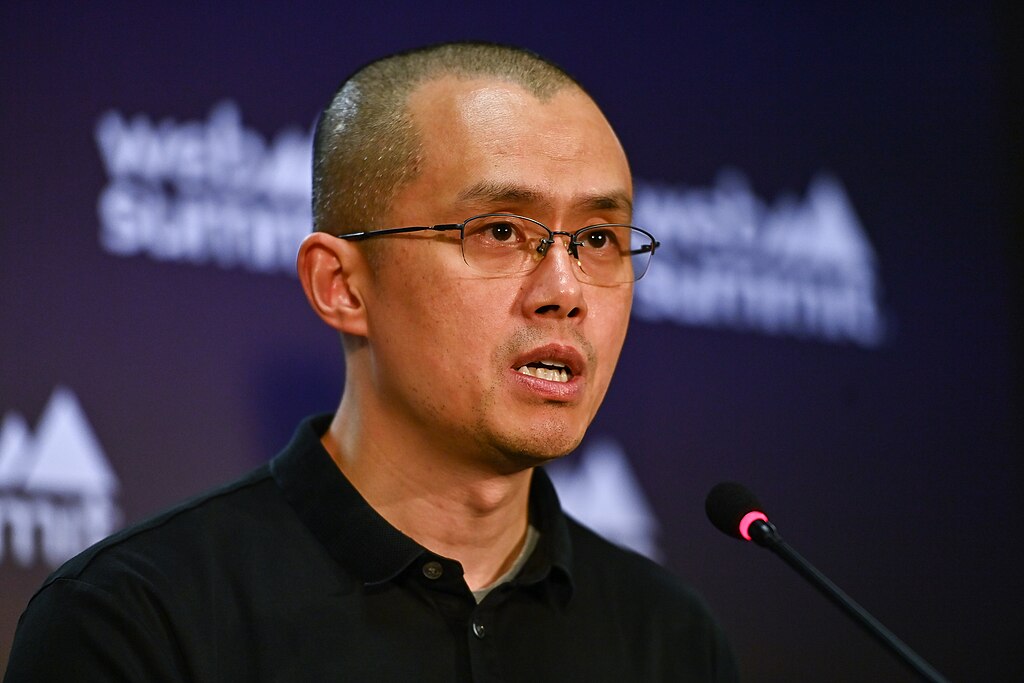
Binance founder Changpeng “CZ” Zhao said a potential revival of Binance.US could help American crypto traders gain access to deeper global crypto liquidity and better digital asset prices. Speaking at Consensus Miami 2026, CZ explained that the strongest liquidity in the crypto market currently exists outside the United States, leaving U.S. users at a disadvantage compared to international traders.
According to Zhao, Binance remains one of the leading platforms in terms of crypto liquidity, and the company is exploring ways to reconnect U.S. users with global markets. One possible solution includes revitalizing Binance.US after years of reduced activity caused by regulatory challenges in the United States.
CZ’s remarks come after his resignation as Binance CEO in 2023 following multiple U.S. legal charges. After serving a four-month prison sentence, Zhao was released in 2024 and later received a presidential pardon from Donald Trump in 2025. Since then, Binance.US has been working toward a comeback under CEO Stephen Gregory, with plans to expand beyond spot trading into crypto derivatives and prediction markets.
Zhao noted that the U.S. crypto environment has improved significantly over the past year, with lawmakers introducing more supportive digital asset policies such as the CLARITY Act. He said the shift has encouraged crypto developers and firms that previously moved to hubs like Hong Kong, Singapore, and Abu Dhabi to return to the American market.
The Binance founder also highlighted BNB Chain’s growing presence in the U.S., including builder houses in New York and San Francisco and increased investments through YZi Labs, formerly Binance Labs. Zhao believes institutional access to BNB remains limited, creating long-term growth opportunities for investors as adoption expands.
In addition, CZ emphasized that AI agents will likely depend on blockchain technology for automated payments and cross-border transactions. He argued that crypto networks such as BNB Chain are better suited than traditional banking systems or credit cards for machine-to-machine financial activity.








Comment 0