

 News
News  Coin Information
  About us
  Customer Service



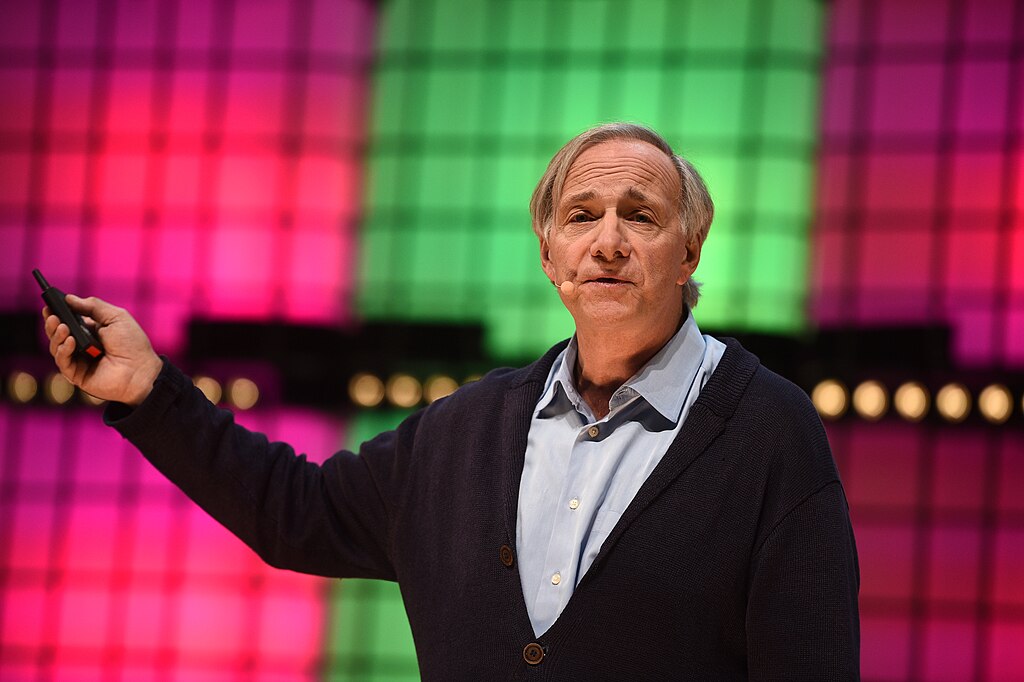
Billionaire investor Ray Dalio, founder of Bridgewater Associates, says the post-World War II global order is unraveling, placing the world in what he calls “Stage 6” of the “Big Cycle.” His latest warning has reignited debate about geopolitical instability and its potential impact on financial markets, including cryptocurrency.
Dalio’s Big Cycle theory explains how dominant empires rise, peak, and decline over time. According to him, Stage 6 is marked by severe disorder, weakening global leadership, and escalating conflict between major powers. He argues that unlike domestic systems, international relations lack enforceable rules, leaving global affairs governed largely by power. As leading nations weaken and rivals gain strength, tensions tend to intensify.
Dalio identifies five escalating forms of conflict during such transitions: trade wars, technology wars, capital wars involving sanctions and financial restrictions, geopolitical struggles over territory and alliances, and ultimately military wars. He compares today’s environment to the 1930s, when debt crises, protectionism, nationalism, and financial sanctions preceded World War II. In his view, the strategic rivalry between the United States and China, particularly over Taiwan, represents the most significant flashpoint.
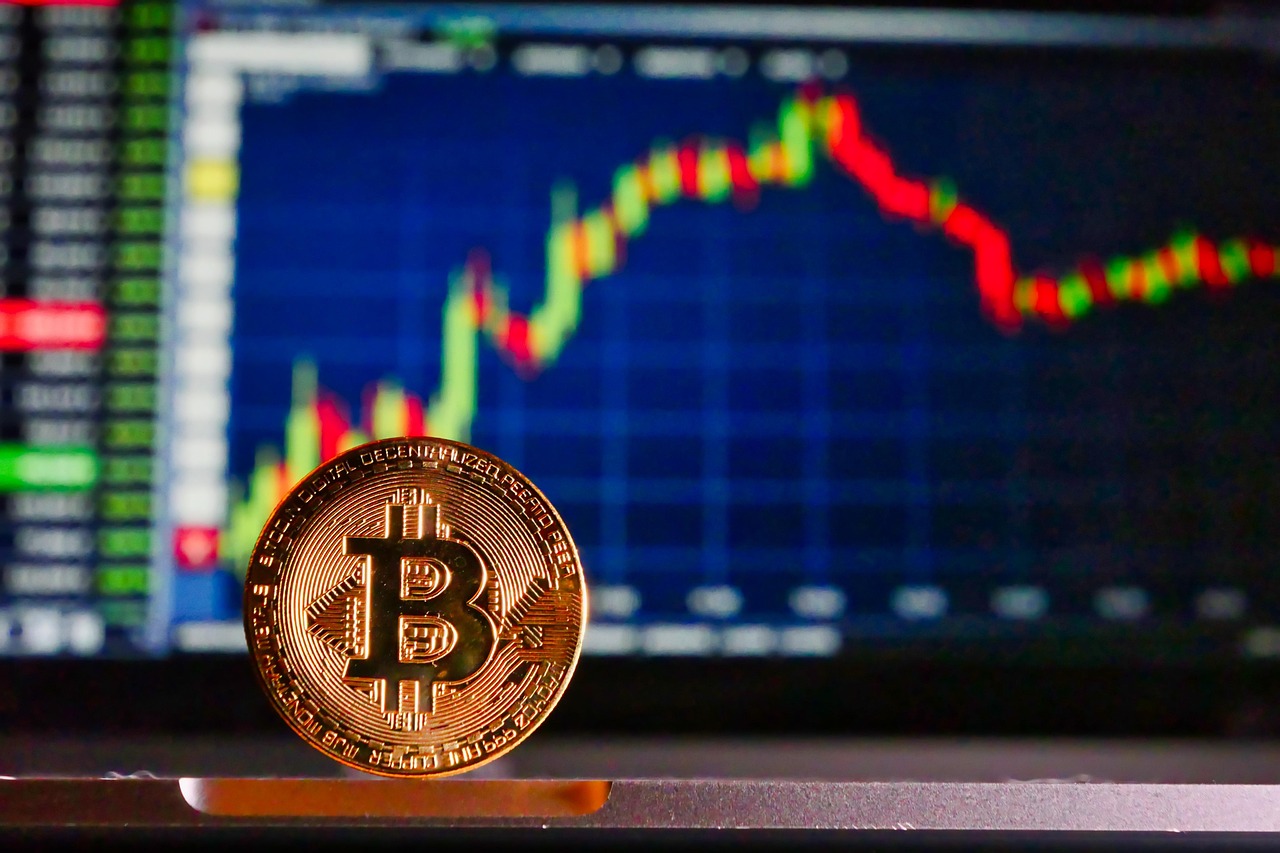
For cryptocurrency markets, these developments carry mixed implications. On one hand, digital assets like Bitcoin are often viewed as censorship-resistant and less dependent on traditional banking systems. In a world of sanctions, capital controls, and cross-border payment restrictions, crypto could gain long-term relevance as an alternative financial infrastructure.
On the other hand, cryptocurrencies remain highly sensitive to global liquidity and investor risk appetite. Historically, geopolitical stress and tighter financial conditions have triggered risk-off behavior, pressuring equities and high-volatility assets, including crypto. While weakening trust in fiat currencies may strengthen Bitcoin’s long-term narrative as “digital gold,” short-term volatility could intensify. Meanwhile, gold continues to attract capital as a traditional safe-haven asset during periods of geopolitical uncertainty, highlighting the complex outlook for crypto investors.













Comment 0