

 News
News  Coin Information
  About us
  Customer Service


 Add as a preferred source on Google

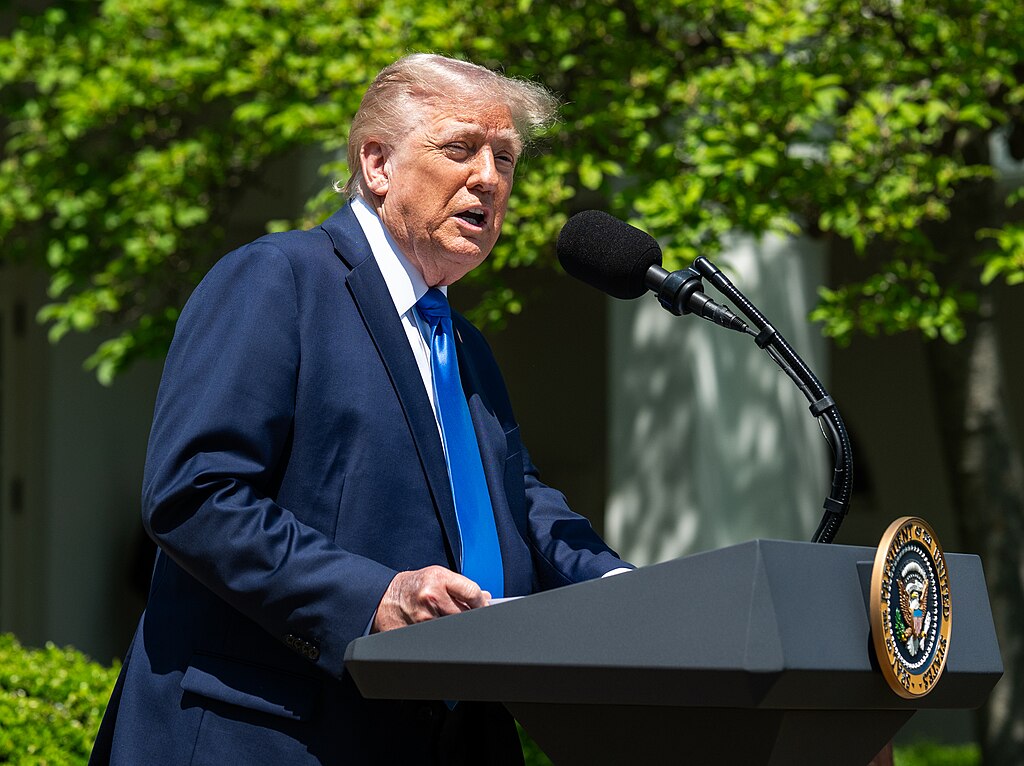
President Donald Trump has nominated former Federal Reserve governor Kevin Warsh to become the next Chair of the Federal Reserve, marking a potentially significant shift in U.S. monetary policy. The announcement was made on January 30, 2026, following months of speculation over who would succeed current Fed Chair Jerome Powell. If confirmed by the Senate, Warsh would assume leadership of the U.S. central bank when Powell’s term ends in May.
The nomination underscores ongoing tensions between the White House and the Federal Reserve. Trump has repeatedly criticized Powell for maintaining higher interest rates, arguing that rate cuts should have come sooner. By selecting Warsh, many analysts believe the president is signaling a desire for a more accommodative interest rate policy and greater alignment between the administration and the central bank.
Kevin Warsh, 55, brings substantial experience to the role. He served as a Federal Reserve governor from 2006 to 2011, a period that included the global financial crisis, during which he played a key role in major policy deliberations. After leaving the Fed, Warsh worked in the private sector and policy circles, becoming a Hoover Institution fellow and a lecturer at Stanford University. His background also includes time at Morgan Stanley and service as an economic advisor during the George W. Bush administration, giving him strong credentials in both Wall Street and government.
Warsh has been openly critical of the current Federal Reserve leadership and has advocated reforms in how monetary policy is designed and communicated. These views have led markets to react swiftly to his nomination, with asset prices moving on expectations of possible changes to future interest rate decisions and Fed communication strategy.
Beyond market implications, the nomination has reignited debate over the independence of the Federal Reserve. Critics argue that Trump’s choice reflects an attempt to exert more influence over monetary policy, while supporters see Warsh as a qualified leader capable of guiding the Fed through economic uncertainty.
The nomination now moves to the Senate for confirmation hearings, where lawmakers will closely examine Warsh’s views on inflation, economic growth, and the role of the Federal Reserve. If approved, his leadership could reshape the central bank’s approach at a pivotal moment for the U.S. economy.















Comment 0