

 News
News  Coin Information
  About us
  Customer Service



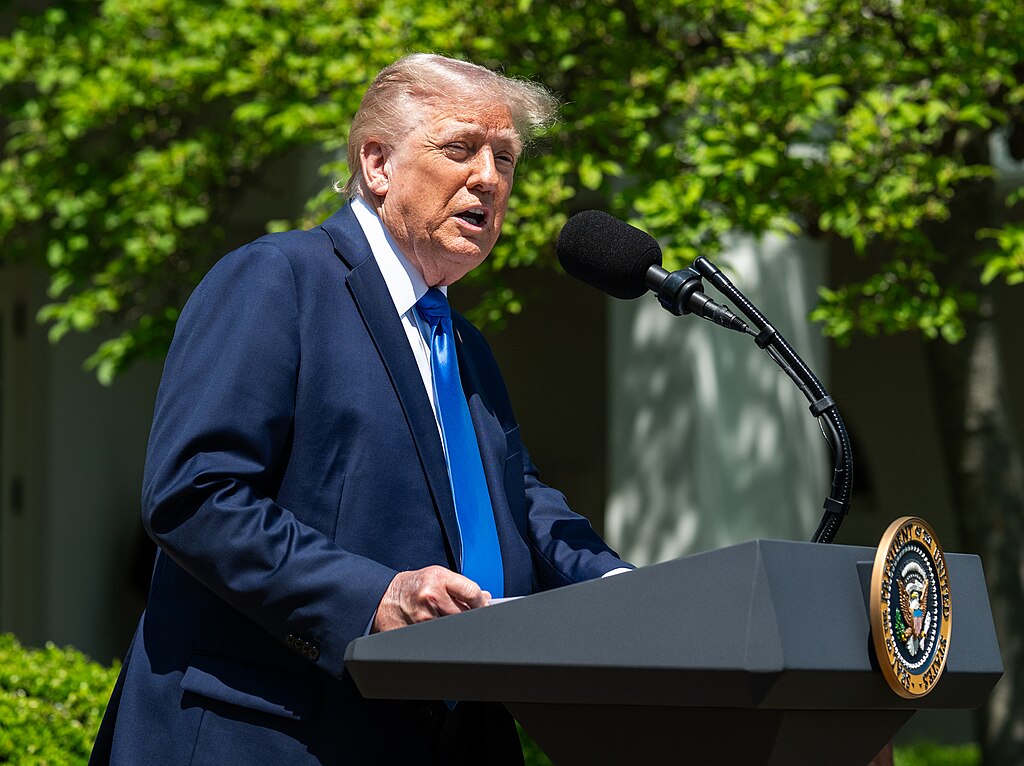
Expectations around U.S. monetary policy and the future leadership of the Federal Reserve have moved back into focus after President Donald Trump publicly called for lower interest rates following stronger-than-expected U.S. economic growth. Trump argued that robust expansion should encourage easier monetary policy rather than tighter financial conditions, especially when economic output continues to exceed forecasts.
Trump shared his views on Truth Social shortly after the release of U.S. GDP data, criticizing the Federal Reserve for raising interest rates despite positive economic indicators. He suggested that inflation concerns are being overstated compared to the actual strength of economic growth. According to earlier reports, U.S. GDP rose to 4.3% in the third quarter, surpassing analyst expectations and highlighting resilience in economic activity despite ongoing political and fiscal challenges.
In Trump’s view, the policy response to economic data has shifted over time. He noted that strong growth figures once led to supportive monetary actions, but are now often met with restrictive policies driven by fears of future inflation. Trump described his stance as a guiding principle for the next Fed chair, emphasizing that lower interest rates should align with periods of solid growth and that decisions should be based on current data rather than theoretical risks.
Kevin Hassett, director of the National Economic Council, echoed this position in a recent CNBC interview. Hassett argued that the Federal Reserve is falling behind as growth accelerates and pointed to structural changes in the economy. He highlighted productivity gains fueled by advances in artificial intelligence, suggesting these improvements can boost output without triggering significant inflation.
Hassett also cited trade policy as a contributor to economic growth, noting that tariffs have reduced the U.S. trade deficit and added an estimated 1.5 percentage points to overall expansion. With Federal Reserve Chair Jerome Powell’s term set to expire in May, attention has increasingly turned to potential successors. Hassett is widely viewed as a leading contender, though he has emphasized the importance of Fed independence and consensus-driven decision-making.
Trump’s renewed push for lower interest rates has intensified debate over the future direction of U.S. monetary policy, as strong economic growth continues to shape expectations for the Federal Reserve’s next move.

















Comment 0