

 News
News  Coin Information
  About us
  Customer Service



The Strait of Hormuz, responsible for roughly 20% of global oil flows, has become an unexpected proving ground for cryptocurrency. Reports surfacing in April 2026 suggest Iran is demanding approximately $1 per barrel from tankers crossing the strait, with payments allegedly requested in Bitcoin or Chinese yuan. For a fully loaded supertanker, that could translate to fees nearing $2 million, or around 281 BTC.
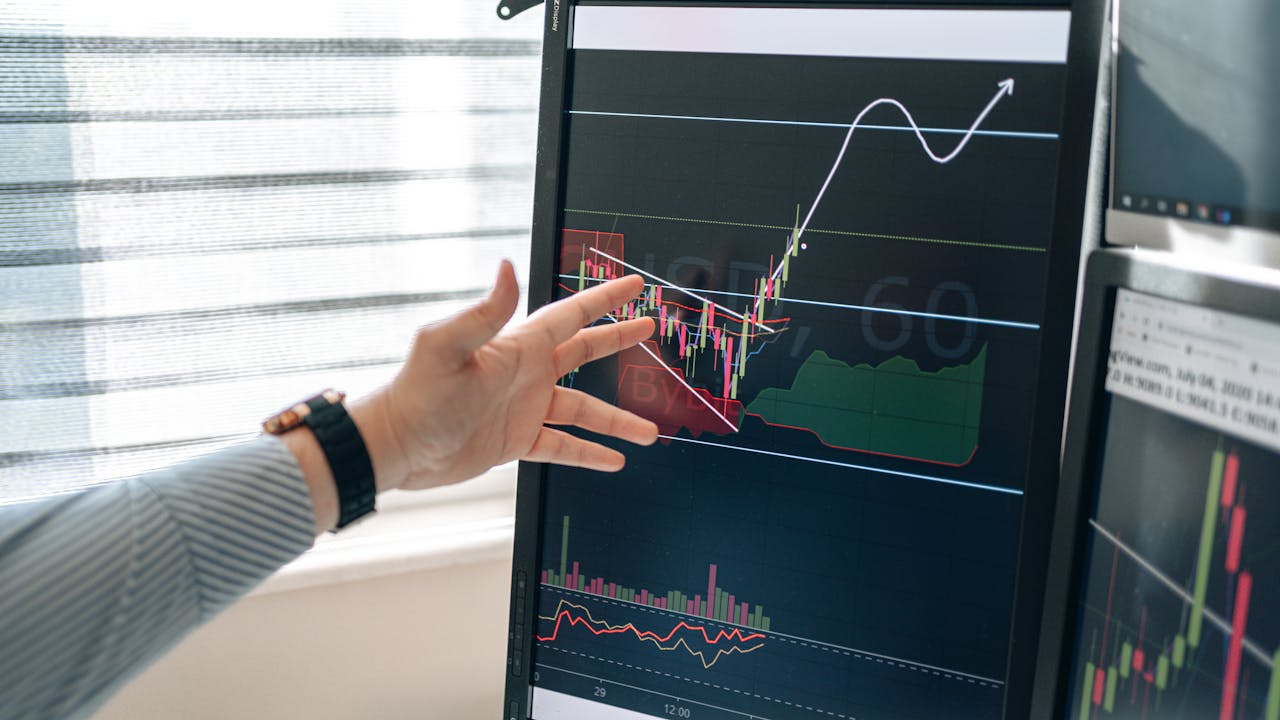
The claims remain unverified. Prominent trader Arthur Hayes publicly expressed doubt, stating he would only accept the story as credible once a confirmed on-chain transaction linked to a vessel becomes publicly visible. No such evidence has emerged yet, but the narrative alone was enough to push Bitcoin back above $70,000, underscoring just how powerfully geopolitical storylines can move crypto markets.
What makes Bitcoin attractive in this context is its censorship resistance. Sanctioned actors seeking to bypass SWIFT and dollar-denominated systems need something that operates outside Western financial infrastructure entirely. Bitcoin fits that requirement in high-pressure, time-sensitive situations where speed and sovereignty matter more than compliance.
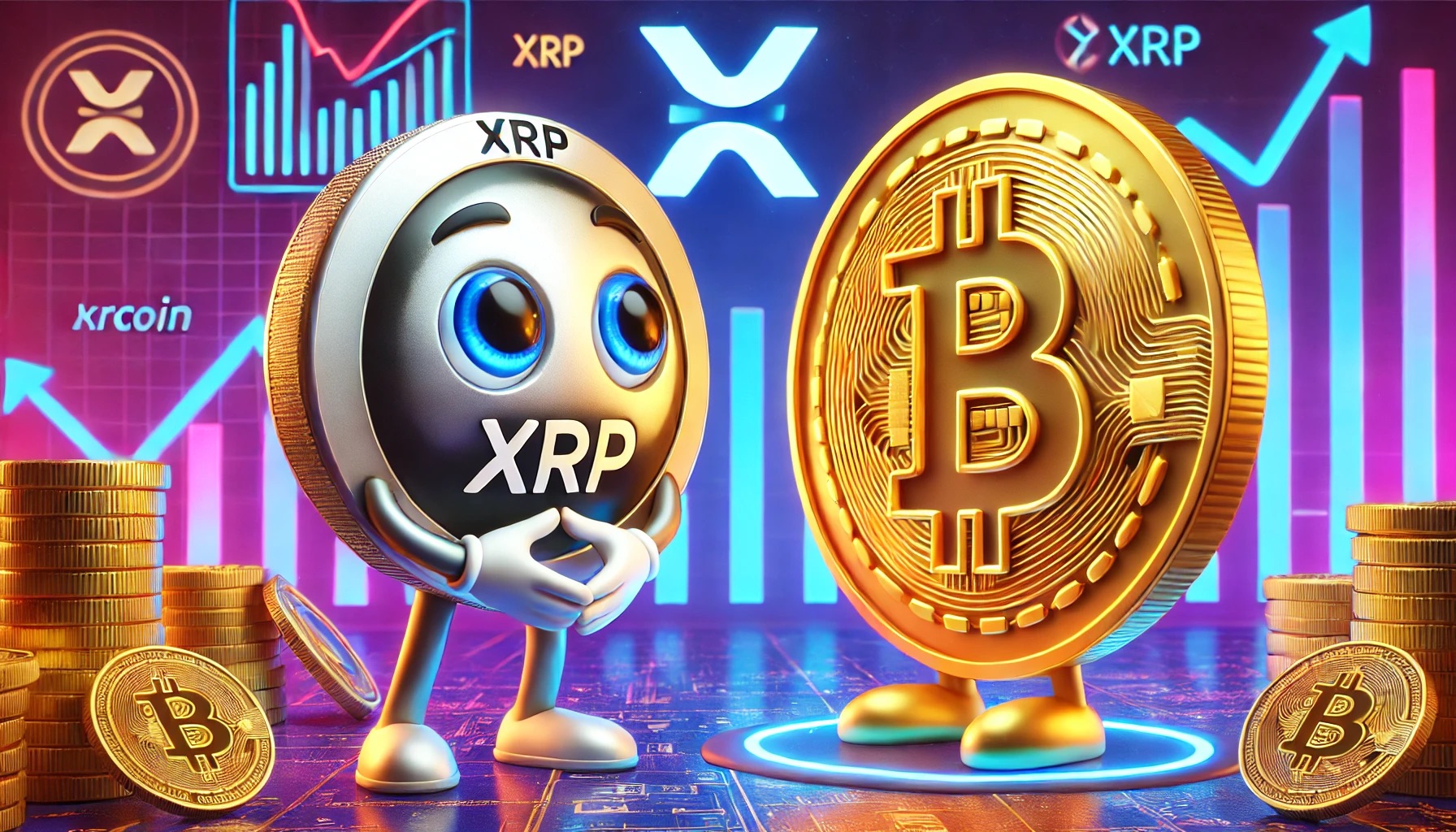
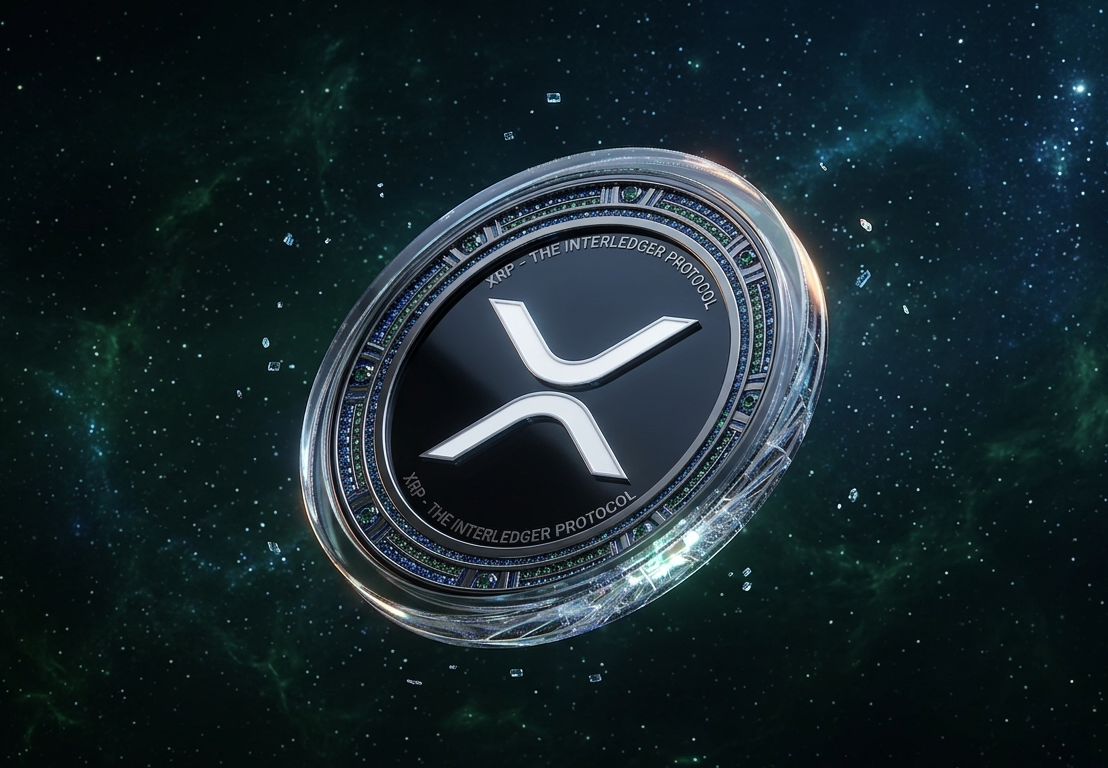
XRP has entered the conversation from a different angle. Analyst Fran de Olza noted that phrases like "neutral settlement" and "borderless money," now common even among Bitcoin supporters, have long described XRP's design purpose. He argues that if a new international financial framework takes shape, the asset filling that role may turn out to be XRP rather than Bitcoin. Other analysts, however, draw a clearer distinction: XRP is purpose-built for regulated, institutional environments during stable conditions, while Bitcoin thrives in crisis-driven, sovereignty-focused scenarios.
Both narratives can coexist in today's multichain environment. Bitcoin is increasingly viewed as a reserve and crisis settlement tool, while XRP targets long-term institutional infrastructure. Either way, crypto is no longer purely speculative. It is quietly threading itself into the mechanics of global trade and geopolitical power.

Comment 0