

 News
News  Coin Information
  About us
  Customer Service


 Add as a preferred source on Google
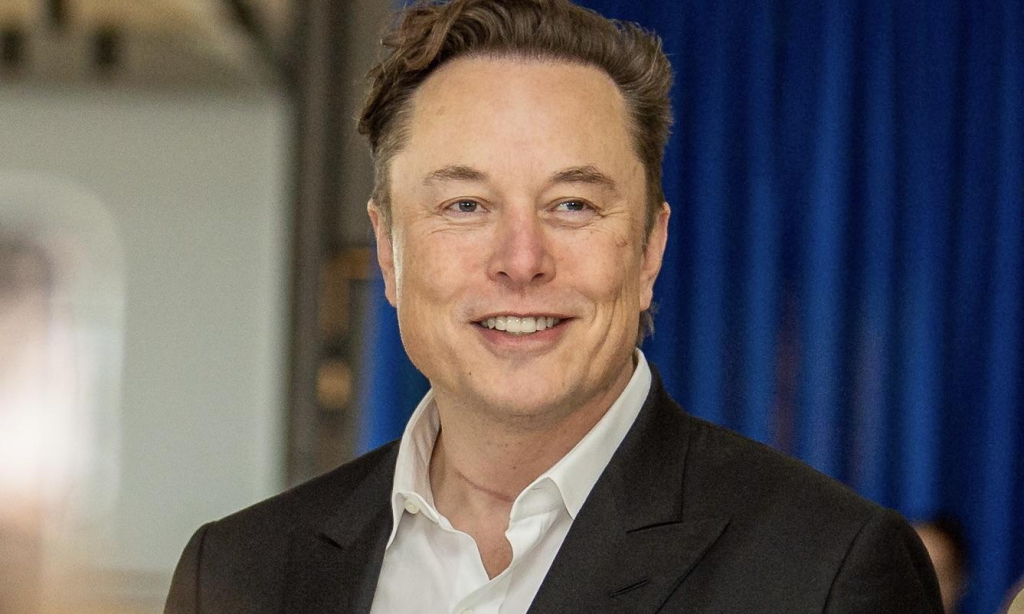
Elon Musk’s decision to merge SpaceX with artificial intelligence startup xAI is reshaping the technology landscape and drawing renewed attention to one of the largest corporate bitcoin holdings in the world. The transaction, positioned as a strategic move to accelerate “space-based AI,” effectively creates a combined entity with a potential valuation approaching $1 trillion. Alongside that scale comes a lesser-known but increasingly relevant asset: SpaceX’s sizable bitcoin position.
Based on earlier disclosures, SpaceX holds an estimated 8,300 BTC, acquired in 2021. At current market prices, that stash is valued at roughly $650 million. While relatively small compared to a trillion-dollar valuation, the bitcoin exposure is significant from an accounting, disclosure, and investor-perception standpoint—especially as the merged company edges closer to a potential initial public offering.
Until now, SpaceX’s private status has allowed it to avoid the quarter-to-quarter volatility that public companies face when holding digital assets under fair-value accounting rules. That dynamic is likely to change as IPO preparations advance. Once public, unrealized bitcoin price swings could directly impact reported earnings, bringing increased scrutiny from regulators and investors alike.
Tesla’s experience with bitcoin serves as a cautionary example. Despite holding onto much of its BTC, the automaker has reported hundreds of millions of dollars in paper losses during crypto market downturns, affecting financial statements even without selling assets. In contrast, SpaceX has shown little appetite for actively trading its bitcoin, opting instead for a long-term holding strategy that may appeal to some investors but limits flexibility if market conditions worsen during an IPO window.
The SpaceX–xAI merger also raises broader questions about crypto asset management across Musk’s business empire. Tesla, SpaceX, and xAI have historically operated under different disclosure standards and accounting treatments. Consolidating these structures could force a more unified approach to digital assets at a time when bitcoin volatility has returned following liquidation-driven selloffs.
As the combined company moves toward public markets, its bitcoin holdings are likely to remain a focal point—symbolizing both conviction in crypto and the financial complexities that come with it.

















Comment 0