

 News
News  Coin Information
  About us
  Customer Service




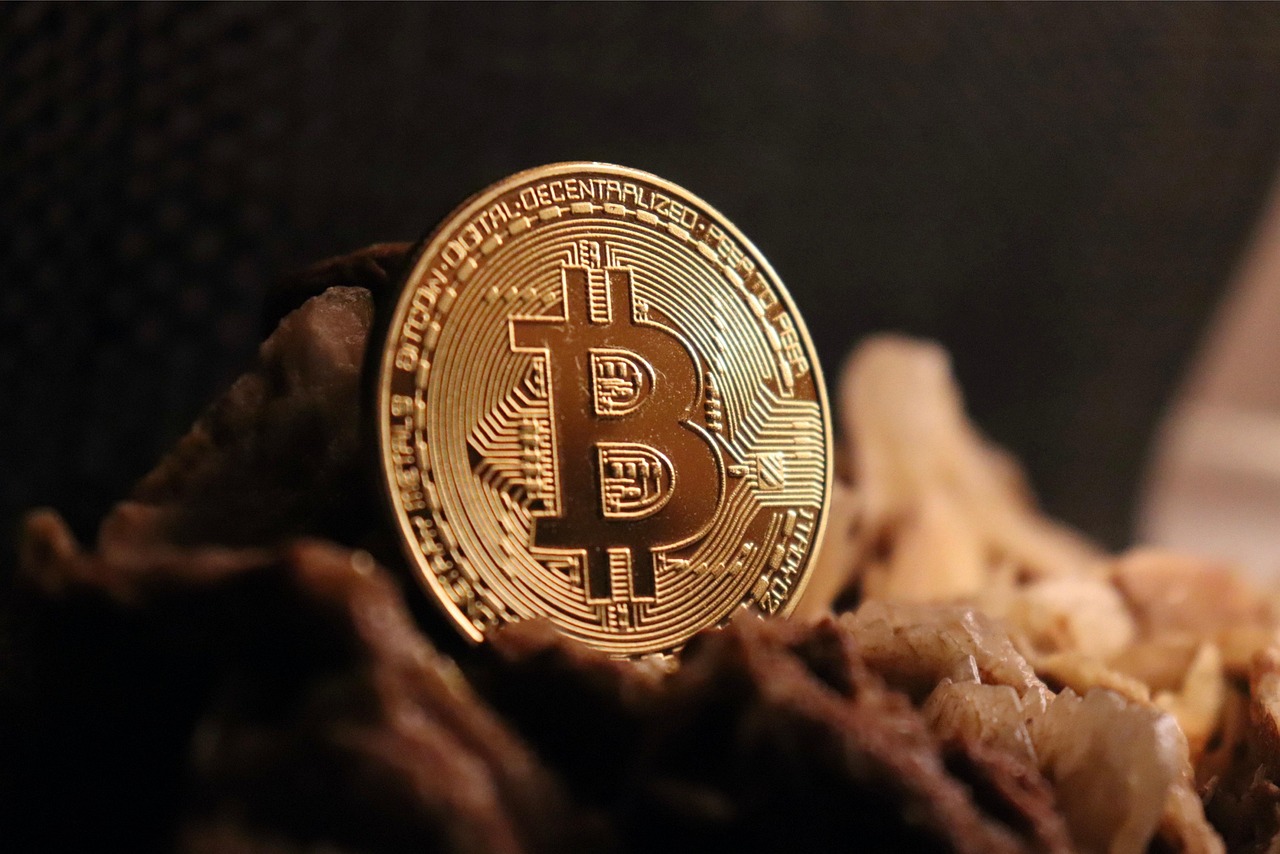
Bitcoin (BTC) may have captured headlines after reportedly trading above $126,000 in October, but a closer look suggests the milestone might not be as historic as it appears. According to Alex Thorn, global head of research at Galaxy Digital, bitcoin’s real value — when adjusted for inflation — never actually crossed the $100,000 threshold.
In a recent post on X, Thorn explained that when bitcoin’s price is recalculated using 2020 dollars, its inflation-adjusted peak topped out at $99,848. This distinction highlights the important difference between nominal price and real price. The nominal price reflects bitcoin’s value at the time in current dollars, while the real price accounts for inflation, offering a clearer picture of its true purchasing power over time.
Thorn chose early 2020 as the reference point because it marked the period just before the U.S. Federal Reserve launched unprecedented monetary stimulus in response to the Covid-19 pandemic. Since then, inflation has significantly eroded the value of the dollar, meaning that headline bitcoin prices can appear more impressive without necessarily delivering the same real economic impact.
This inflation-adjusted analysis offers ammunition for both bitcoin bulls and bears. Optimistic investors may argue that bitcoin’s rally from the 2022 market lows looks less overheated when viewed in real terms. From that perspective, the move toward a nominal high near $126,000 could indicate that the bull cycle still has room to run, with less speculative excess than critics assume.
Skeptics, however, may see the data as evidence that bitcoin has fallen short of its reputation as a reliable hedge against inflation and aggressive money printing. If bitcoin struggles to outperform inflation on a real basis, critics argue that traditional stores of value like gold deserve renewed attention. Even so, gold’s own long-term inflation-adjusted performance has been inconsistent, despite its recent strong rally.
Ultimately, Thorn’s analysis underscores the importance of looking beyond headline prices when evaluating bitcoin’s performance. For investors, understanding inflation-adjusted returns may be just as critical as tracking new nominal highs, especially in an era defined by persistent inflation and shifting monetary policy.















Comment 0