

 News
News  Coin Information
  About us
  Customer Service



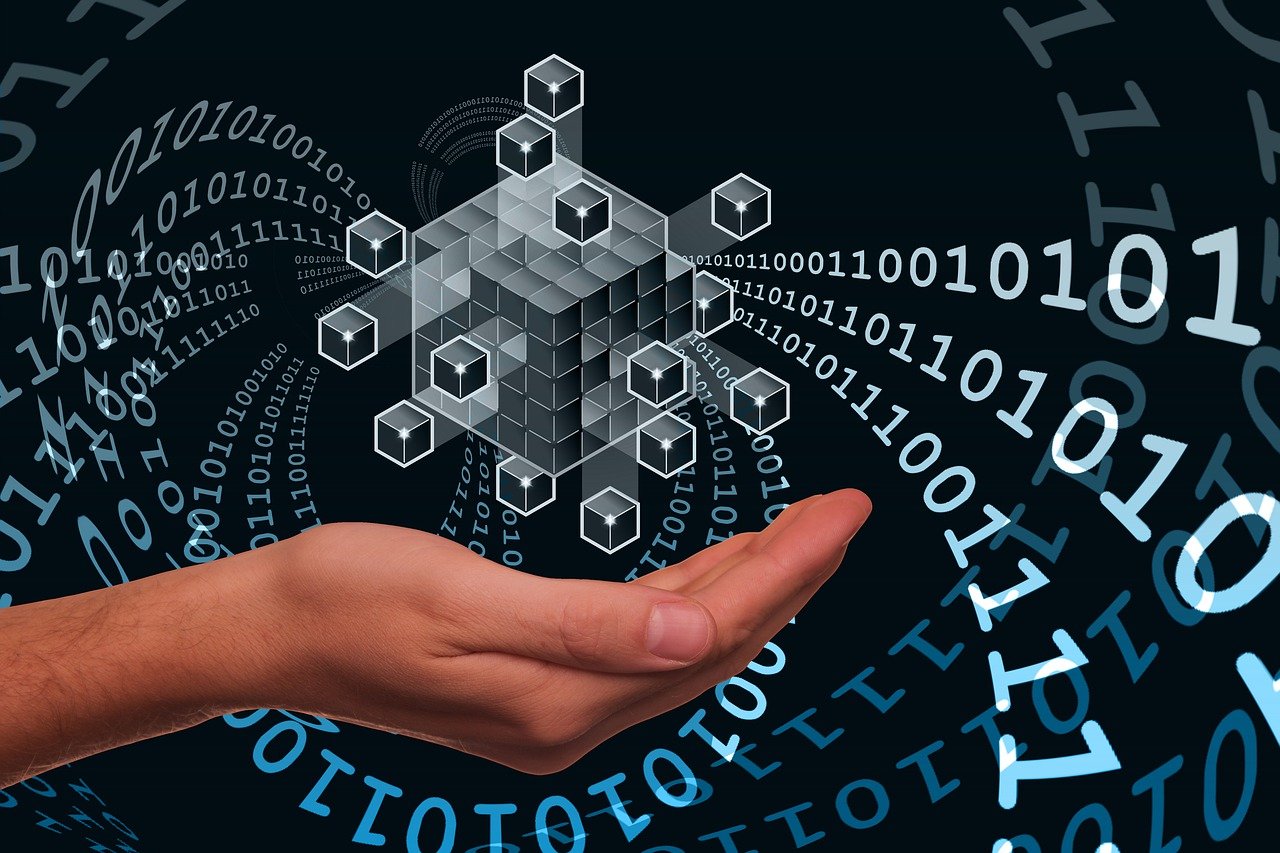
We are entering a new economic era where software, sensors, AI agents and connected devices transact with one another autonomously, without human intervention. In this emerging machine economy, machine-to-machine (M2M) payments and microtransactions are becoming as essential as electricity once was to industrial growth. Just as continuous power unlocked mass production and automation, continuous M2M payments will unlock fully autonomous digital and physical systems.
Today’s payment infrastructure still operates in a pre-electric mindset. Transactions are episodic, batch-based and heavily mediated by institutions and humans. Even digital payments rely on invoices, settlements and billing cycles that introduce friction. This model cannot support an economy built on billions of tiny, real-time transactions between machines. Autonomous systems need to pay for data, compute, energy and services continuously, at machine speed, and often in amounts measured in cents or fractions of cents.
Blockchain technology makes this possible. With near-instant settlement, global reach and extremely low transaction costs, blockchains provide the financial rails needed for continuous microtransactions. In this sense, blockchains function like a power grid: neutral, always-on infrastructure that enables innovation on top of it. Sensors could sell data by the second, factories could dynamically price electricity based on supply and demand, and AI services could charge per millisecond of inference. Entire supply chains could reorder materials, book logistics and pay fees autonomously.
History shows that infrastructure matters more than individual applications. During electrification, generators were important, but transmission and standardization ultimately reshaped society. Similarly, the success of M2M payments depends less on specific protocols and more on the quality of the underlying blockchain networks. These networks must offer low fees, low latency, predictable performance and global interoperability. Machines, like appliances, cannot negotiate bespoke systems; they require shared standards.
Public blockchains may have an advantage here due to their neutrality and decentralization, allowing machines across vendors and jurisdictions to coordinate seamlessly. When blockchain payment rails achieve this level of reliability and trust, they become the coordination layer for autonomous systems worldwide.
The machine economy will truly arrive when machines can transact continuously, invisibly and autonomously. M2M payments are not just another feature of that future. They are its electricity.

















Comment 0