

 News
News  Coin Information
  About us
  Customer Service




The Bitcoin 2026 Conference officially opened Monday in Las Vegas, drawing criticism from early adopters who argue the event has strayed from Bitcoin’s original anti-establishment vision. Once rooted in cypherpunk ideals of decentralization and financial independence, the conference now features high-profile figures from government and traditional finance, signaling a shift that has unsettled long-time supporters.
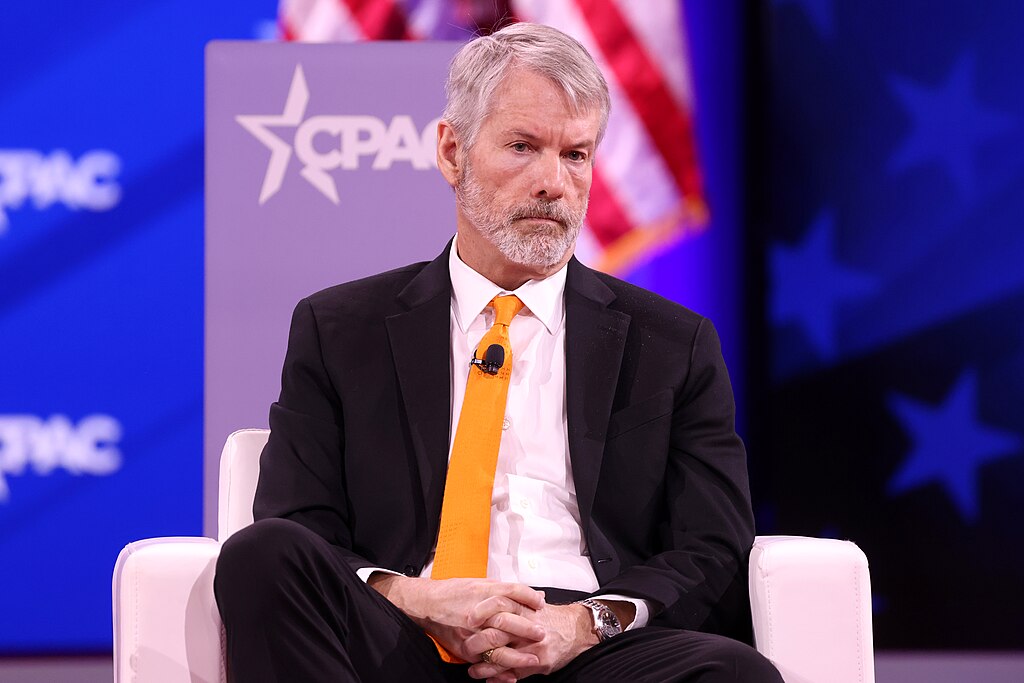
This year’s speaker lineup includes prominent names such as the Securities and Exchange Commission chair, the acting U.S. attorney general, and members of the Trump family. Industry leaders like MicroStrategy founder Michael Saylor, Tether CEO Paolo Ardoino, and Senator Cynthia Lummis are also headlining. While the presence of regulators and policymakers reflects Bitcoin’s growing mainstream acceptance, critics argue it contradicts the cryptocurrency’s purpose of bypassing centralized authority.
Held at The Venetian and running through Wednesday, the three-day event is expected to attract over 40,000 attendees and feature more than 500 speakers. Ticket prices range from $699 to $12,999, highlighting the event’s scale and commercialization. The official theme, “All In On the Future of Money,” underscores Bitcoin’s evolving role in global finance.
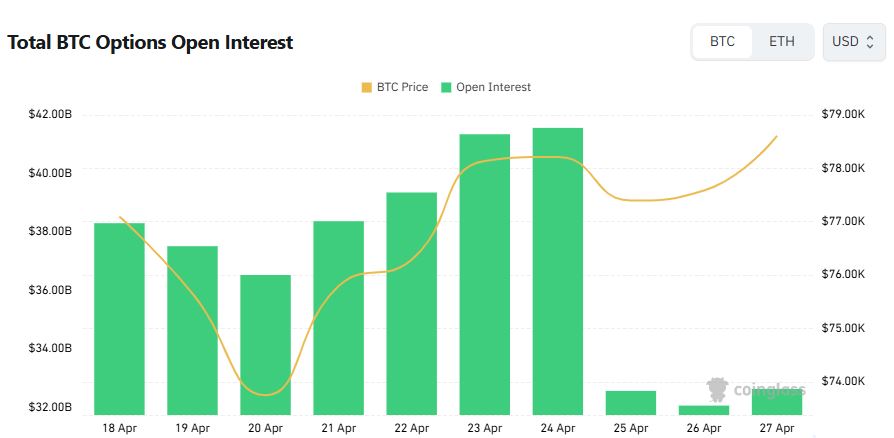
Bitcoin’s price performance has mirrored the uneasy sentiment surrounding the event. BTC was trading at $76,714 at the time of writing, showing lower highs on the 4-hour chart and erasing gains made over the weekend. Analysts suggest that market uncertainty tied to the conference’s direction may be influencing short-term price action.
Beyond the speaker lineup, concerns are growing about the increasing concentration of Bitcoin holdings. Large amounts of BTC are now held in spot ETFs, corporate treasuries, and custodial platforms rather than individual wallets. This shift raises questions about decentralization and financial sovereignty—core principles of Bitcoin’s origin.
Early investors like Simon Dixon have voiced frustration, warning that Bitcoin risks becoming the very system it was designed to disrupt. As institutional adoption accelerates, the divide between traditional finance integration and cypherpunk values continues to widen, leaving the future identity of Bitcoin uncertain.













Comment 0