

 News
News  Coin Information
  About us
  Customer Service


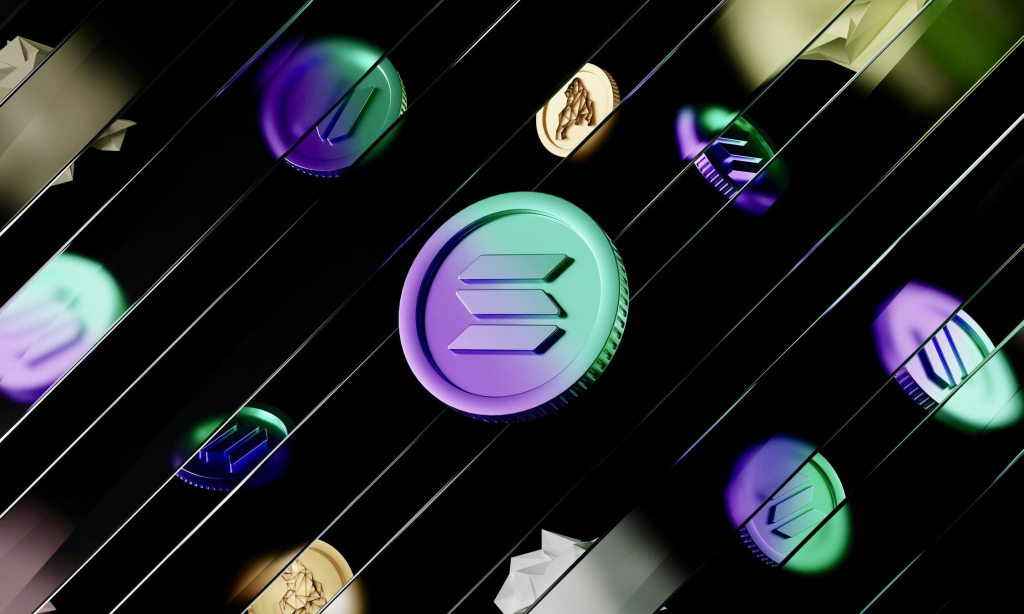
Solana Mobile has officially begun distributing its highly anticipated SKR token, marking a significant milestone in its strategy to connect crypto incentives with mobile hardware adoption. The airdrop went live on Tuesday evening at 9:00 pm ET and represents a core component of the broader rollout of the Seeker smartphone ecosystem, the company’s second-generation Web3 mobile platform.
The SKR token launch follows months of anticipation around Seeker, which has been positioned as a more refined and scalable successor to Solana Mobile’s first Web3 phone, the Saga. With this move, Solana Mobile aims to deepen user engagement and accelerate ecosystem growth by embedding token-based incentives directly into the mobile experience.
SKR has a fixed total supply of 10 billion tokens, designed to support long-term sustainability and ecosystem development. According to the allocation plan, 30% of the total supply is dedicated to airdrops, including the initial distribution to eligible Seeker device users and developers building applications for the platform. An additional 25% is allocated to growth initiatives and strategic partnerships, while 10% is reserved for liquidity provisioning and launch-related activities. A further 10% will be held in a community treasury to fund future proposals and ecosystem programs. The remaining supply is split between Solana Mobile, which receives 15%, and Solana Labs, allocated 10%.
Eligibility for the initial SKR airdrop was determined through a snapshot of onchain activity associated with the Seeker device and its applications, reinforcing the platform’s emphasis on active participation within the Solana ecosystem.
Beyond distribution, the SKR token is designed to play a central role in governance and staking. Token holders can delegate SKR to help secure and scale the Seeker mobile ecosystem, earn staking rewards, and participate in key decisions related to economic parameters and future initiatives.
To encourage early adoption, SKR operates under a linear inflation model. Inflation starts at 10% in the first year and decreases by 25% annually until reaching a long-term terminal rate of 2%, where token issuance is expected to stabilize. This structure is intended to reward early participants while supporting sustainable growth over time.







Comment 0