

 News
News  Coin Information
  About us
  Customer Service


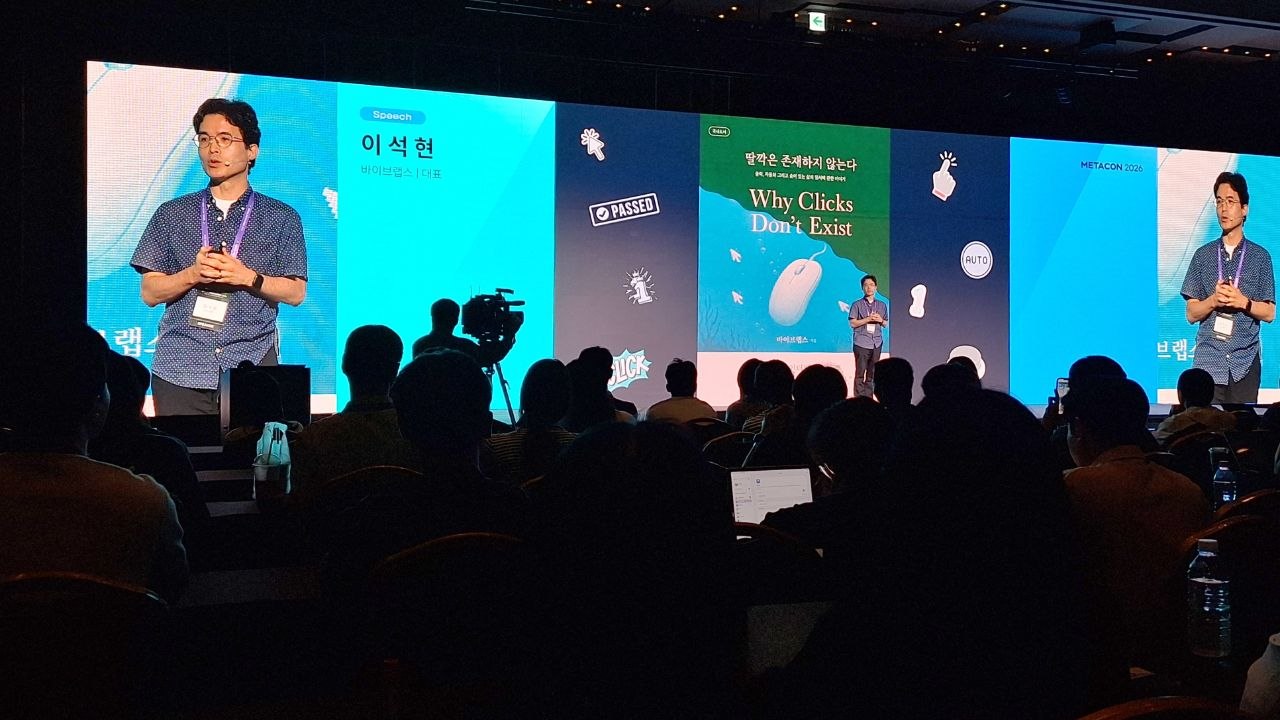
At Metacon 2026 in Seoul, VibeLabs CEO Seokhyun Lee argued that the central question behind ‘vibe coding’—whether it can help non-developers build products, keep up with fast-changing AI tools, and even generate revenue—has a single answer: the determining factor is not the tool, but ‘domain expertise’ and ‘problem-solving ability’.
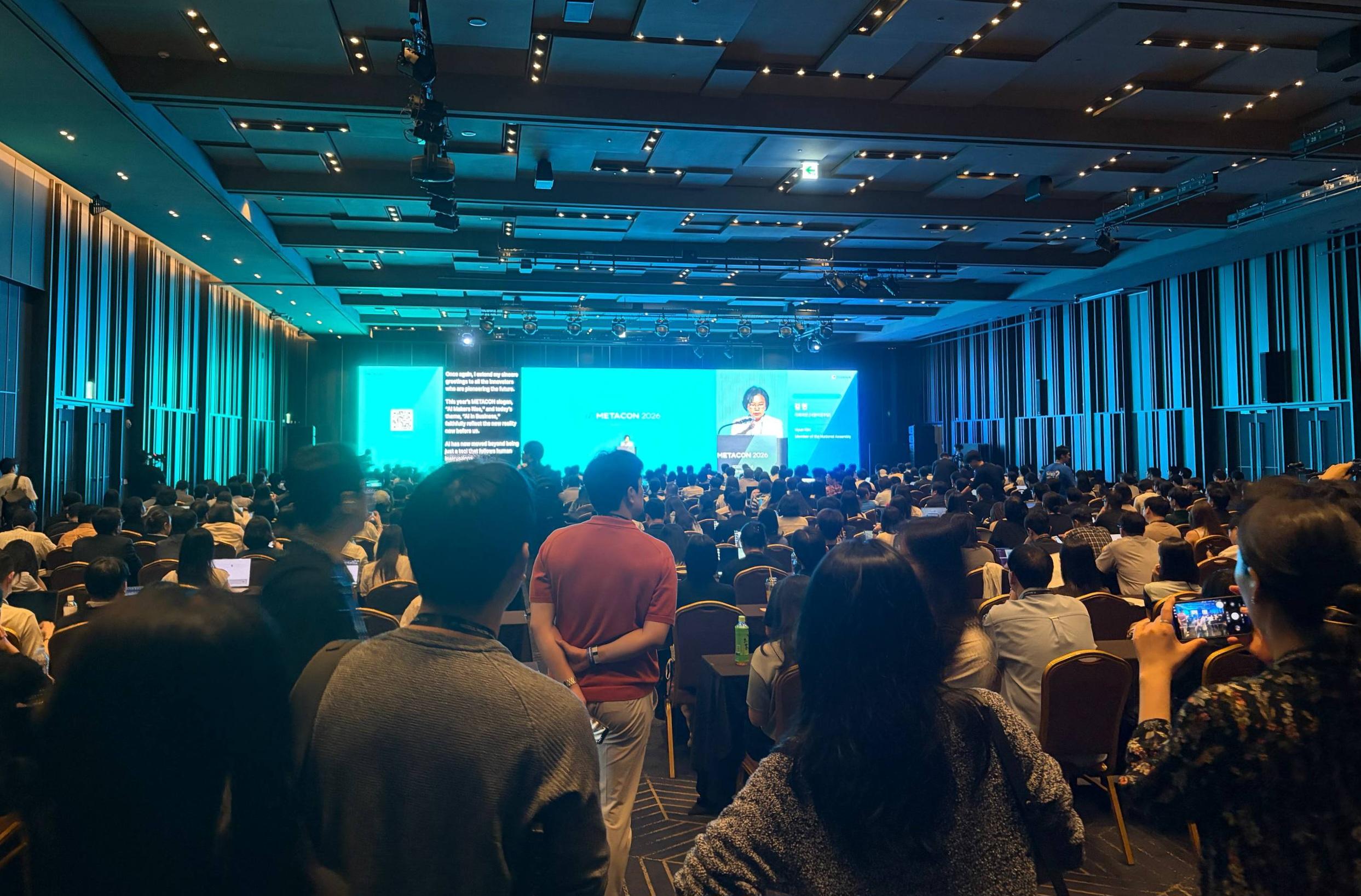
Lee delivered the remarks on Friday UTC (Friday in Seoul) during a session titled “The Era of Builders: What Humans Should Do and What AI Should Do,” part of Metacon 2026, a major domestic AI conference hosted by TV Chosun and co-organized by TokenPost. Drawing on consultations and conversations with non-developers active in vibe coding communities, Lee framed AI-assisted building not as a shortcut to software engineering, but as a shift in who gets to translate real-world experience into digital products.
According to Lee, questions that appear practical on the surface—such as which AI coding assistant is best or how much it costs—often conceal a deeper motivation: the desire to “build something with my own hands” and to implement lived experience in software without being dependent on developers. He described a longstanding friction point in product creation, where domain experts historically had to describe complex workflows to engineers, only to receive results months later that failed to match intent—wasting both budget and time.
“We’ve entered an era where you don’t necessarily have to pay or rely on developers to get started,” Lee said, adding that AI can serve as a starting point for people who want to automate problems they encounter in their day-to-day work or build simple apps to communicate with customers. In that sense, he suggested, a person’s current profession—whether educator, lawyer, or accountant—can become their most valuable asset in an AI-driven build environment, because it supplies the problems worth solving.
Lee emphasized that vibe coding is less about learning syntax and more about identifying a tractable problem, scoping it, and deciding how to split work between humans and AI. While a popular perception has emerged that a single “click” can produce a complete product, he said the reality is iterative: high-quality outcomes typically require repeated back-and-forth prompting, refinement, and verification.
That is why, in Lee’s view, one of the most overlooked competencies in AI development is the ability to write and explain clearly. “The people who use AI well are the ones who can write and speak well,” he said, describing effective prompting as translating one’s intent into a form the model can reliably interpret. He also urged builders not to accept AI outputs uncritically, recommending cross-checking results with other models and keeping a human “final judgment” step in the loop.
Beyond creativity and autonomy, Lee said another unspoken driver in the community is monetization—whether vibe coding “really can make money.” His answer was cautious: rather than starting with the goal of forming a company and reaching profitability immediately, he recommended beginning with small automations close to one’s daily routine, then layering in modest financial targets. A small benchmark—such as earning about 100,000 won per month (roughly tens of dollars) from ads—can be enough to turn experimentation into a sustainable habit, he argued, without pushing builders into premature scaling pressure.
Lee also spoke to a recurring anxiety in AI circles: the pace of tool churn. Builders may spend weeks mastering one assistant, only to see another model or integrated development environment rise in popularity. But Lee framed this as a distraction from the core mission. Tools, he said, are “transfer stations”—useful, but temporary. “Today Claude Code might be best, but tomorrow something else could be better,” he noted, urging attendees to avoid confusing tool proficiency with the underlying objective of solving domain-specific problems.
In Lee’s view, the durable edge is not familiarity with any single product, but the ability to turn experience into a workflow, automate it, and ship something usable. He encouraged participants to start with a small, high-impact improvement—such as reducing a 10-hour task to 20 minutes—then reinvest the recovered time into additional experiments and new prototypes.
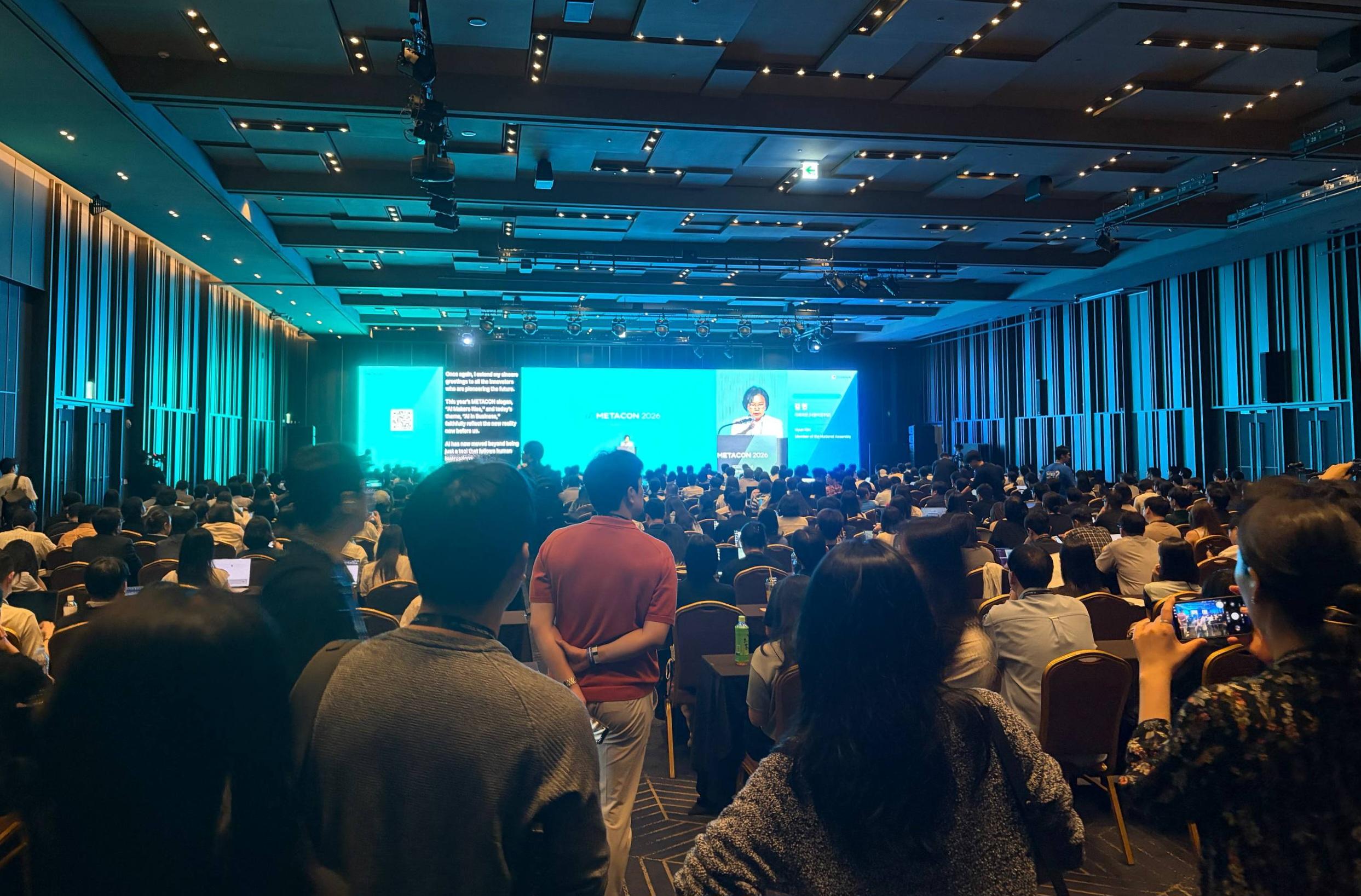
Metacon 2026 ran July 3–4 at the COEX Grand Ballroom in Seoul under the theme “AI Makers Rise,” bringing together companies and builders to share execution playbooks spanning AI technology, enterprise transformation, marketing, and investing. The broader message from Lee’s session aligned with the event’s focus: in an era of rapidly shifting models and interfaces, the people who will consistently build value are those who can define the right problem—and use AI as a flexible instrument to solve it.
















Comment 0