

 News
News  Coin Information
  About us
  Customer Service


 Add as a preferred source on Google

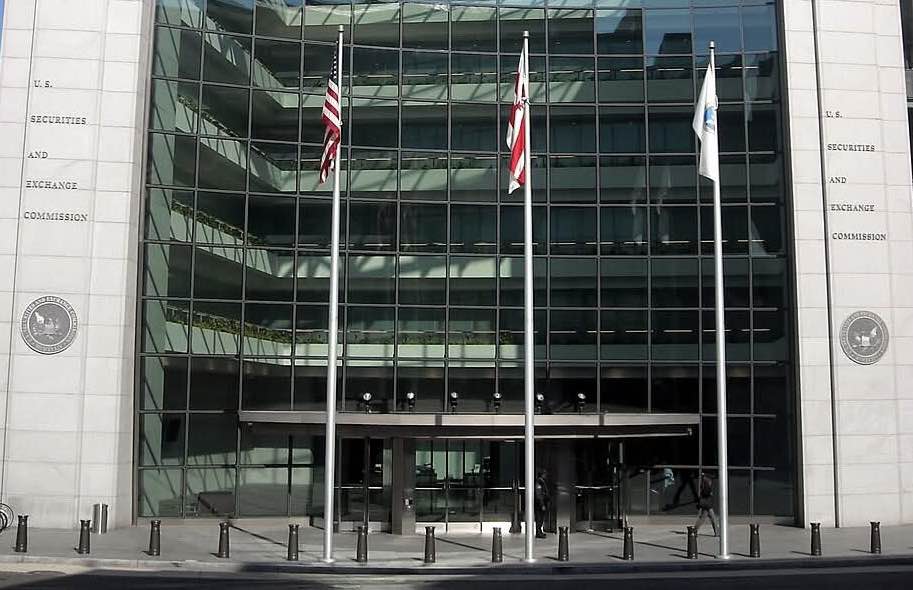
The U.S. Securities and Exchange Commission is moving ahead with a major overhaul of transfer agent regulations, potentially reshaping oversight of public blockchains, tokenized stocks and artificial intelligence before Congress reaches an agreement on the Clarity Act.
The SEC’s proposal would modernize rules governing securities infrastructure as traditional finance increasingly adopts blockchain technology. The initiative could also strengthen the agency’s role in regulating the emerging digital securities and tokenized asset market.
Attention will now turn to an SEC roundtable scheduled for September 17. Major financial and technology companies, including BlackRock, Citadel Securities, Nasdaq, NYSE, DTCC and Robinhood, are expected to discuss the potential introduction of 24-hour trading for traditional stocks.
Key issues are likely to include overnight market supervision, faster clearing and settlement systems, and safeguards for retail investors trading outside normal market hours. A shift toward continuous trading could narrow one of the biggest structural differences between cryptocurrencies and traditional equities, potentially changing how speculative capital moves between the two markets.
Wall Street firms are already preparing for greater blockchain integration. A banking consortium led by Citi and Goldman Sachs is reportedly developing a dollar-backed stablecoin for 2027, while the London Stock Exchange and Kraken’s owners are testing blockchain-based transfers of major British stocks.
Securitize, a tokenization platform partnered with BlackRock, welcomed regulatory modernization, arguing that new rules should “raise standards, not lower them.” ETF Store President Nate Geraci has similarly said the debate has shifted away from whether crypto will survive toward how digital assets will integrate with or replace existing financial infrastructure.
The regulatory developments come as cryptocurrency markets face renewed selling pressure. September has historically been challenging for risk assets. Since 2013, Bitcoin has finished September lower eight times in 13 years, with an average return of about -3%. The S&P 500 has also averaged a 0.6% September decline since 1945.
Commodity-market volatility and expectations surrounding U.S. unemployment data due September 3 are adding near-term uncertainty. Investors will closely watch the labor figures for clues about market direction through mid-September as institutional adoption and regulatory changes continue reshaping the crypto landscape.















Comment 0