

 News
News  Coin Information
  About us
  Customer Service



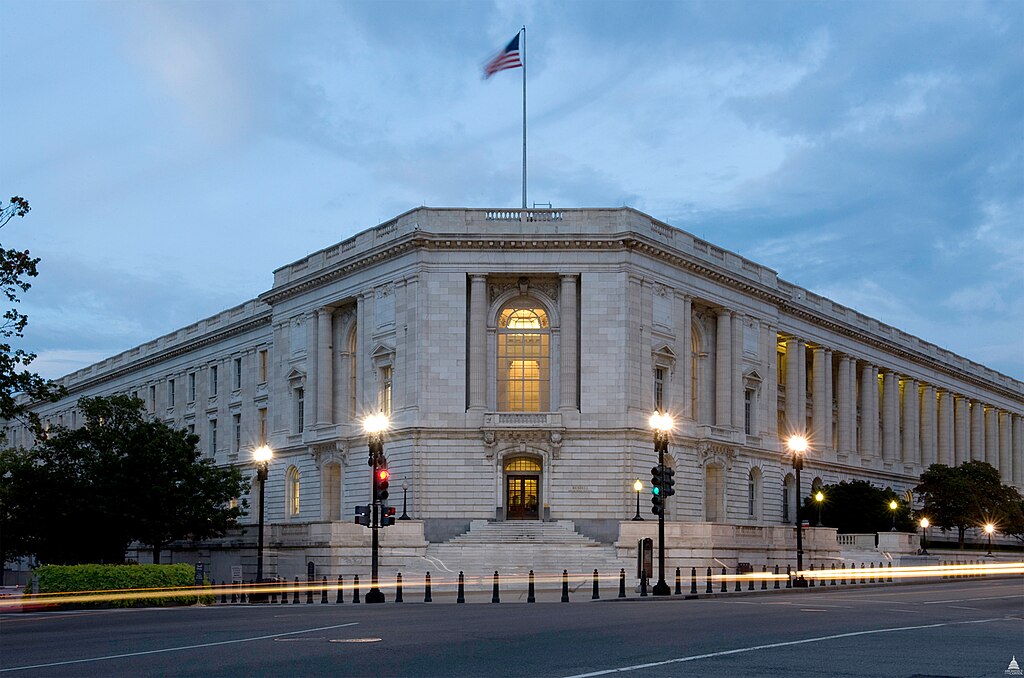
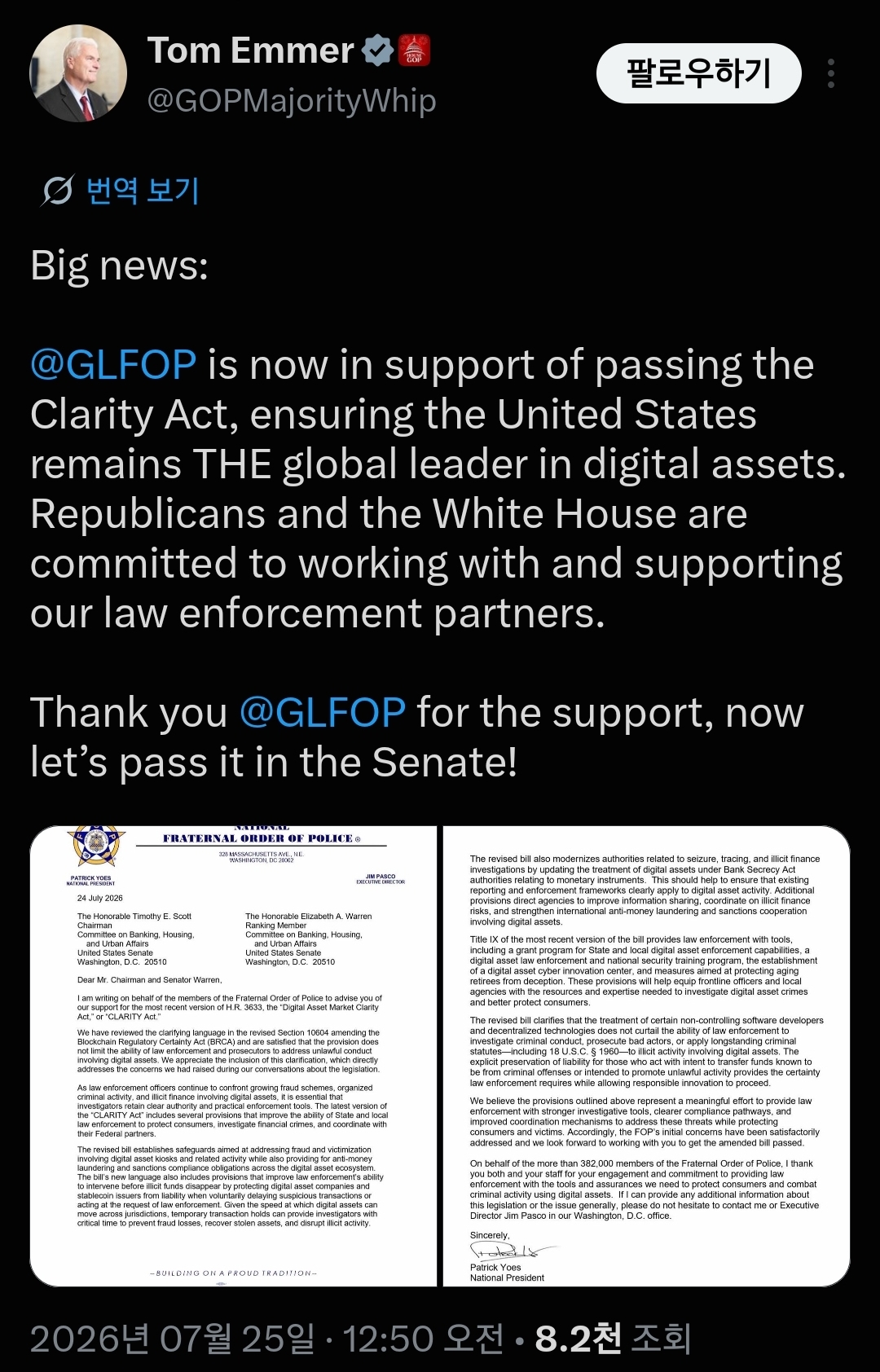
The U.S. Senate is entering a crucial two-week window for advancing the Digital Asset Market Clarity Act, commonly known as the Clarity Act, before lawmakers leave for the August recess. A newly released draft combines the versions approved by the Senate Banking and Agriculture Committees while introducing an ethics provision aimed at restricting senior government officials from sponsoring or issuing cryptocurrencies.
The updated proposal represents progress, but negotiations remain focused on the ethics language rather than the bill's broader crypto market framework. Senate Democrats continue pushing for stricter measures that would directly address President Donald Trump's crypto-related business interests, while Republicans and the White House support a less restrictive approach.
Under the current draft, senior officials would have one year to divest crypto-related businesses or place them into a blind trust, with enforcement assigned to the Department of Justice. Critics argue the proposal contains significant loopholes, including allowing existing Trump-branded tokens to remain and ending enforcement protections after the next presidential inauguration. Democrats also question whether the Justice Department would actively enforce the provision during Trump's presidency.
Supporters, including Senator Cynthia Lummis, argue the ethics rules would apply broadly to federal officials and judges, making them among the most comprehensive ethics standards ever accepted by a sitting president. However, the debate has become increasingly political as lawmakers head toward midterm elections, with Trump's reported crypto earnings remaining a major point of contention.
Despite disagreements, many Senate staff, industry groups and crypto advocates remain optimistic that the legislation can still pass before Congress recesses. Senator Elizabeth Warren remains one of the bill's strongest opponents, arguing it falls short on investor protection, national security and conflicts of interest.
The next major milestone is a Senate motion to proceed, expected as early as Monday or Tuesday. Securing at least 60 votes would signal sufficient bipartisan support to continue debate, though it would not guarantee final passage. Cloture votes on the substitute amendment and the bill itself could follow during the week of August 3, provided lawmakers resolve ethics disputes by July 30.
The Senate's crowded agenda—including confirmation votes and sanctions legislation—adds pressure, making the coming days critical for the future of U.S. cryptocurrency regulation.













Comment 0