

 News
News  Coin Information
  About us
  Customer Service


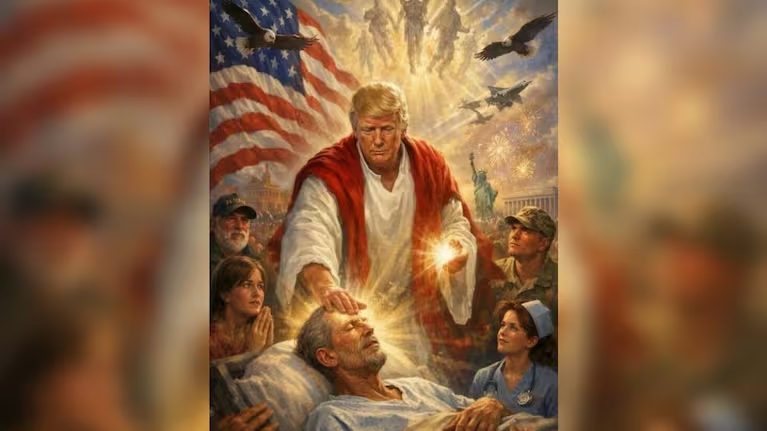
Public tensions between President Trump and Pope Leo XIV escalated further this week, drawing in U.S. Vice President JD Vance and widening a dispute that began over foreign policy and immigration into a broader argument about the proper boundaries between religion and government.
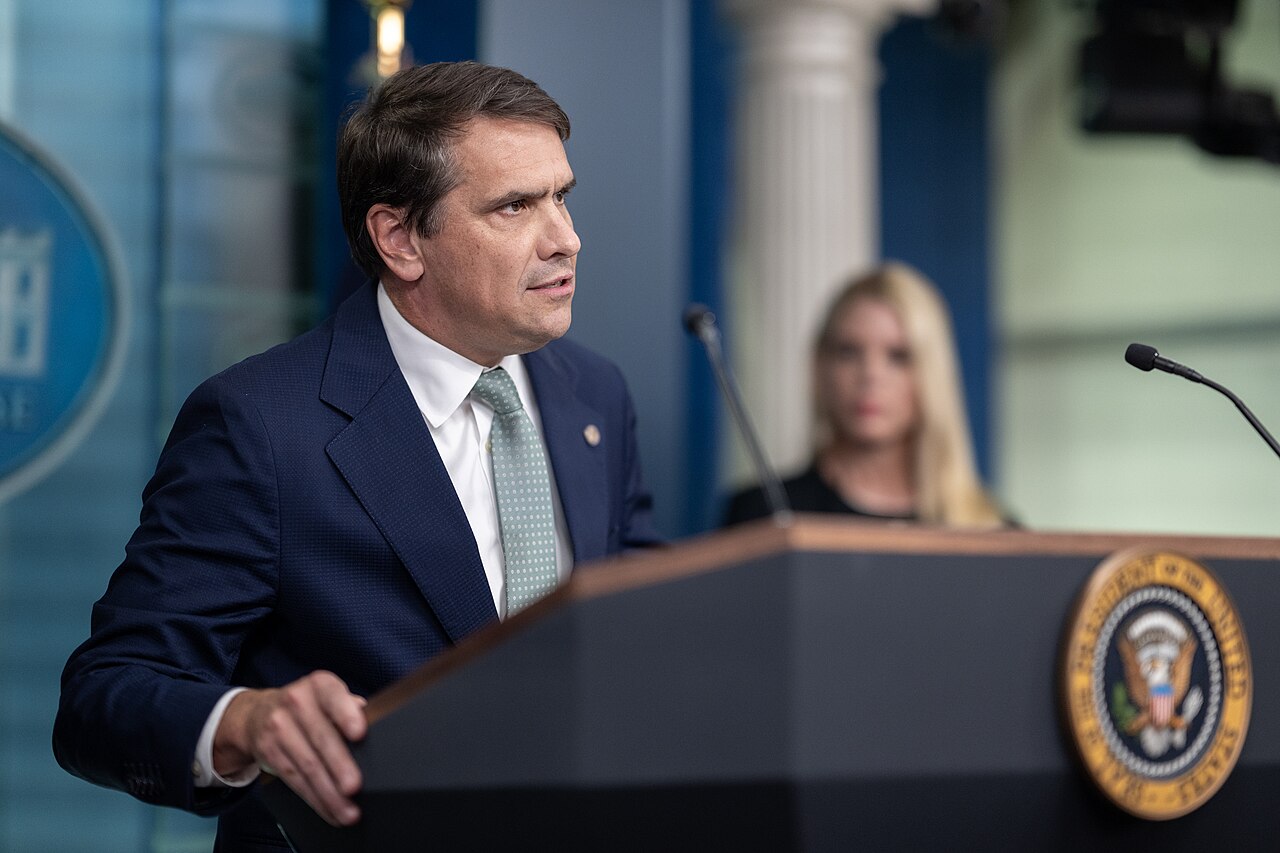
In a Fox News interview aired Monday U.S. Eastern Time, Vance downplayed the significance of the feud as “not particularly newsworthy,” while simultaneously arguing that the Vatican should focus on ‘moral issues’ and internal Catholic Church matters, leaving U.S. public policy to be decided by the American president, according to New Zealand outlet 1News.
Vance also addressed backlash over an AI-generated image President Trump had posted to social media and later deleted—an image that critics said resembled Jesus. Vance characterized the post as a joke that was removed because “many people didn’t understand the humor,” per the report.
President Trump, for his part, has shown no sign of softening his stance toward the pontiff. 1News reported that Trump rejected calls to apologize, saying he had “nothing to apologize for” and insisting the pope was wrong. The president has previously criticized Pope Leo XIV as “soft on crime” and “diplomatically incompetent,” comments that came after the pope raised objections to the administration’s approach to the Iran war and its immigration agenda.
The social media episode intensified scrutiny precisely because it touched a sensitive fault line in U.S. politics: the intersection of faith identity, symbolism, and power. President Trump has said the image was intended to depict him as a doctor-like healer who “makes people better,” not as a comparison to Jesus, according to the report. Still, the deletion after public blowback underscored how quickly religious imagery can become politically combustible—especially in the algorithm-driven attention economy that rewards provocation.
Religious leaders across denominations have responded with unusual bluntness. 1News said Archbishop Paul Coakley and Bishop Robert Barron criticized Trump’s remarks as “inappropriate and disrespectful,” urging an apology. Conservative evangelical figures—many of whom back Trump’s policy platform—also expressed concern, with some describing the image as crossing a line or even ‘blasphemous,’ highlighting that support for a candidate does not always translate into acceptance of all cultural messaging.
Politically, the dispute is being watched for its potential impact on two voter blocs central to Trump’s coalition: Catholics and white evangelicals. 1News noted that while the controversy may create discomfort within those communities, analysts expect any near-term movement in approval to be limited given the strong role of partisan alignment in U.S. voting behavior.
Pope Leo XIV has maintained a firm but values-driven posture. According to 1News, he has indicated he is not afraid of the Trump administration, continuing to emphasize peace and humanitarian principles. On the Iran war, he has urged an end to displays of force and called for the conflict to stop, while repeatedly advocating a more humane approach to migrants.
Observers described the episode as a rare and symbolically charged confrontation: a sitting U.S. president publicly attacking a pope in unusually direct terms, with the vice president reinforcing a vision of church-state roles that prioritizes national executive authority over Vatican moral critique. Beyond the immediate headlines, the clash reflects a deeper contest over ‘moral legitimacy’ in public life—one likely to resurface whenever geopolitical crises and migration pressures force politics and religion into the same battlefield.
🔎 Market Interpretation
- Political-risk signal: The Trump–Pope Leo XIV dispute elevates headline volatility around U.S. culture-war dynamics, with potential spillover into campaign messaging and diplomatic optics (especially on Iran and immigration).
- Attention-economy amplification: The AI-generated religiously suggestive image—and its rapid deletion after backlash—illustrates how algorithmic distribution can quickly turn symbolic content into a high-intensity political issue.
- Voter-bloc sensitivity: Catholics and white evangelicals are identified as key constituencies; analysts expect limited immediate approval shifts due to partisan alignment, but the episode introduces reputational friction within faith-based supporters.
- Institutional legitimacy contest: The clash frames a broader struggle over “moral authority” between an elected executive and a global religious institution, increasing the odds of recurring confrontations during crises involving war, migration, or national identity.
💡 Strategic Points
- For political strategists: Avoid ambiguous religious symbolism in AI-generated or edited media; even “joke” framing may not neutralize perceptions of disrespect or blasphemy.
- For communicators: Prepare rapid-response protocols for synthetic media incidents (verification, intent statement, stakeholder outreach, and decision criteria for removal/apology).
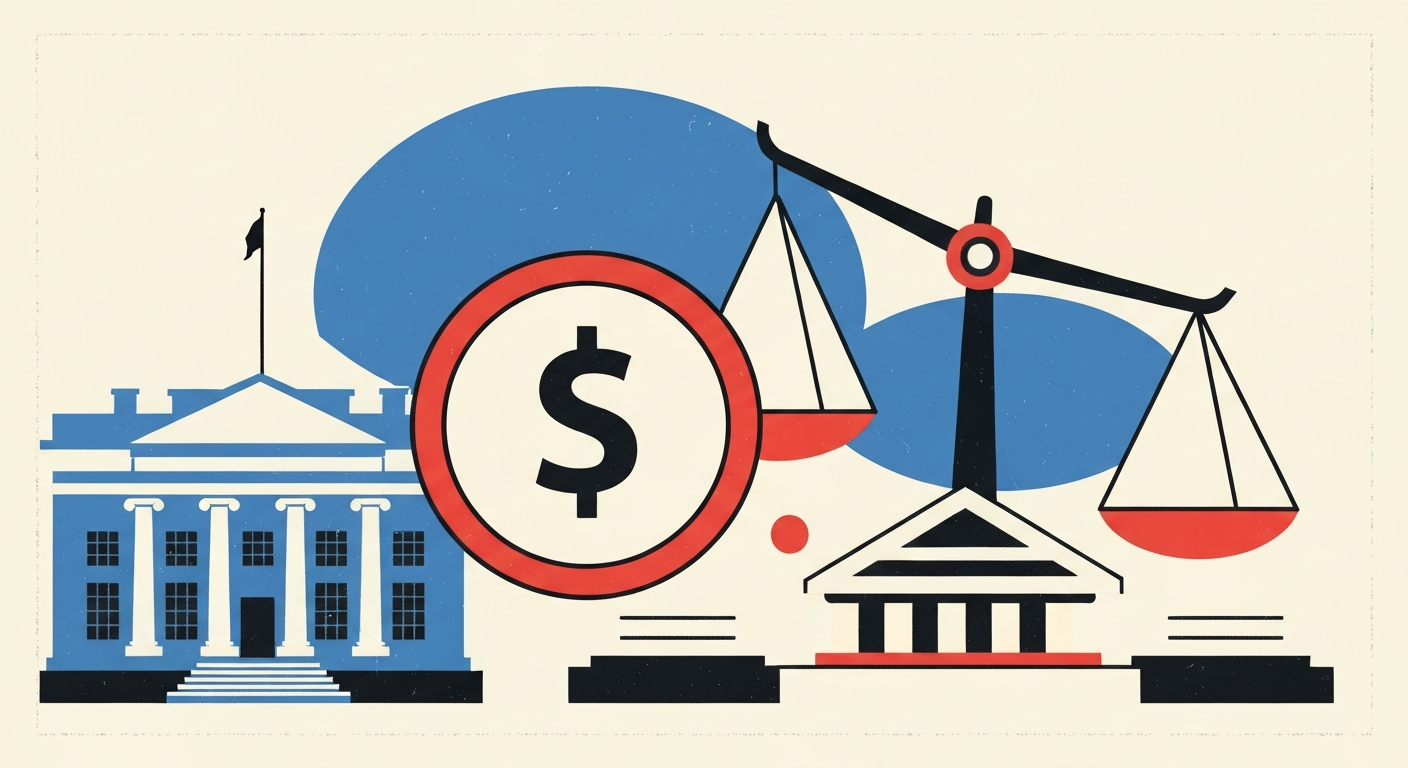
- For faith and civic leaders: The dispute highlights a live debate over church–state boundaries—whether religious leaders should critique policy outcomes (war, migration) or stay focused on internal doctrine and morals.
- For policy watchers: Monitor whether rhetoric hardens into policy posture—e.g., sharper language on immigration enforcement or foreign policy signaling in response to moral criticism.
- For media literacy: The event underscores how AI imagery can blur intent and interpretation; audiences and platforms may treat symbolic resemblance as endorsement or comparison regardless of stated purpose.
📘 Glossary
- AI-generated image (synthetic media): Visual content created by machine-learning models that can depict realistic scenes or people without a real photographic source.
- Blasphemous: Viewed as showing disrespect toward God, sacred figures, or religious doctrines.
- Church–state boundaries: Norms and legal-cultural expectations about how religion and government should influence one another in public life.
- Moral legitimacy: Perceived ethical authority to judge actions or policies as right or wrong, often contested between institutions (government, religion, civil society).
- Voter bloc: A large group of voters sharing a key identity or preference (e.g., Catholics, white evangelicals) that can influence electoral outcomes.
- Algorithm-driven attention economy: A media environment where platform algorithms prioritize engaging or provocative content, rewarding outrage and rapid sharing.








Comment 0