

 News
News  Coin Information
  About us
  Customer Service




The Trump administration has quietly signaled to its allies that a ground invasion of Iran is not on the immediate agenda, offering some relief amid growing geopolitical uncertainty. The development follows a surge in U.S. troop deployments to the Middle East that had sparked widespread fears of an imminent military escalation. Despite the reassurance, sources close to the matter cautioned that President Trump could reverse course at any time.
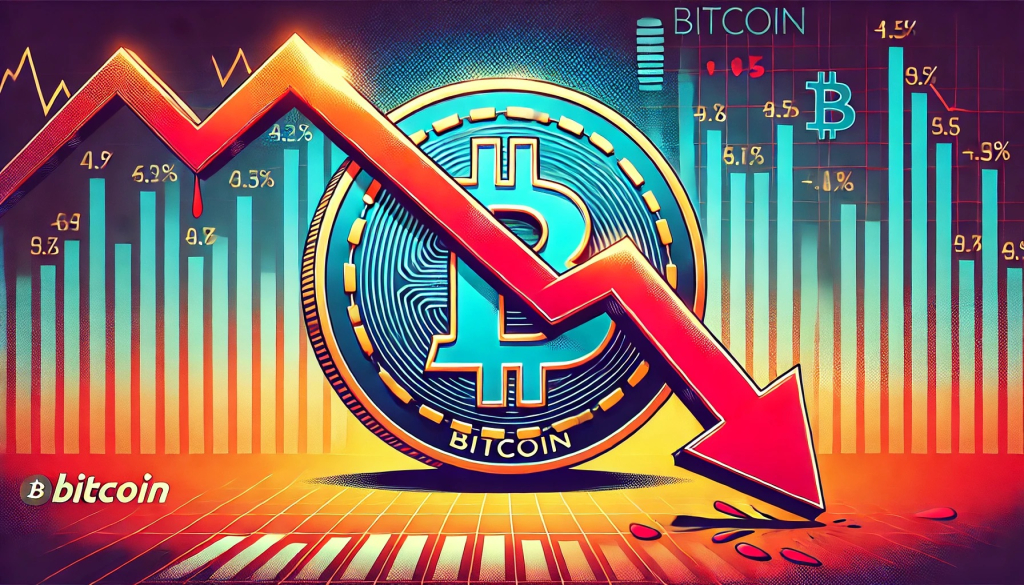
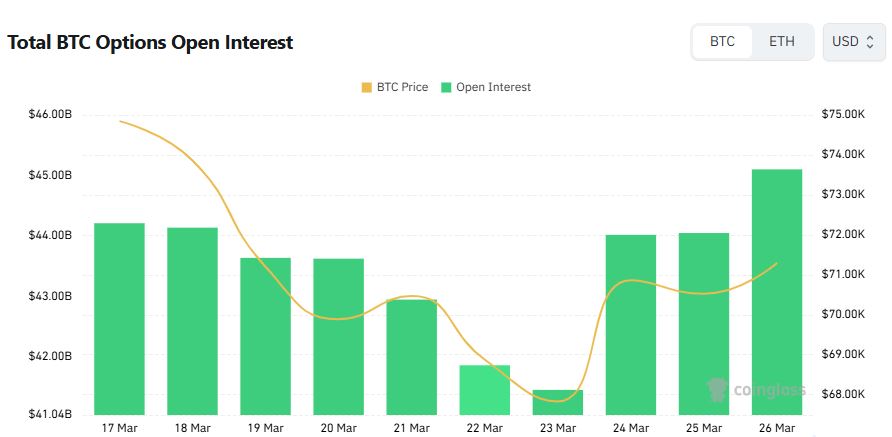
Financial markets, particularly the cryptocurrency sector, have been rattled by the ongoing tensions. Bitcoin briefly recovered after news broke that the U.S. was stepping back from invasion plans, but gains quickly evaporated as the situation remained fluid. The flagship cryptocurrency dropped to an intraday low of $65,000, dragging the total crypto market capitalization down to approximately $2.25 trillion — a decline of more than 3% in a single trading session.
Compounding market anxieties is Iran's announcement that the Strait of Hormuz remains closed, a critical chokepoint for global oil shipping. Secretary of State Marco Rubio reportedly told G7 foreign ministers that the conflict is expected to last two to four weeks rather than months, and that U.S. objectives can be met without deploying ground troops. Still, crypto traders appear skeptical of a swift resolution — prediction platform Polymarket currently puts the probability of a U.S.-Iran ceasefire before April 30 at just 40%.
Tensions received another jolt following Israeli airstrikes on Iranian steel facilities, which Tehran claims were coordinated with Washington. Iranian Foreign Minister Abbas Araghchi strongly condemned the attacks, calling them a direct contradiction of Trump's extended diplomatic deadline and warning of serious consequences.
With peace negotiations still in early stages and geopolitical risks mounting, crypto markets are likely to remain under pressure until a clearer resolution emerges between the two nations.








Comment 0