

 News
News  Coin Information
  About us
  Customer Service



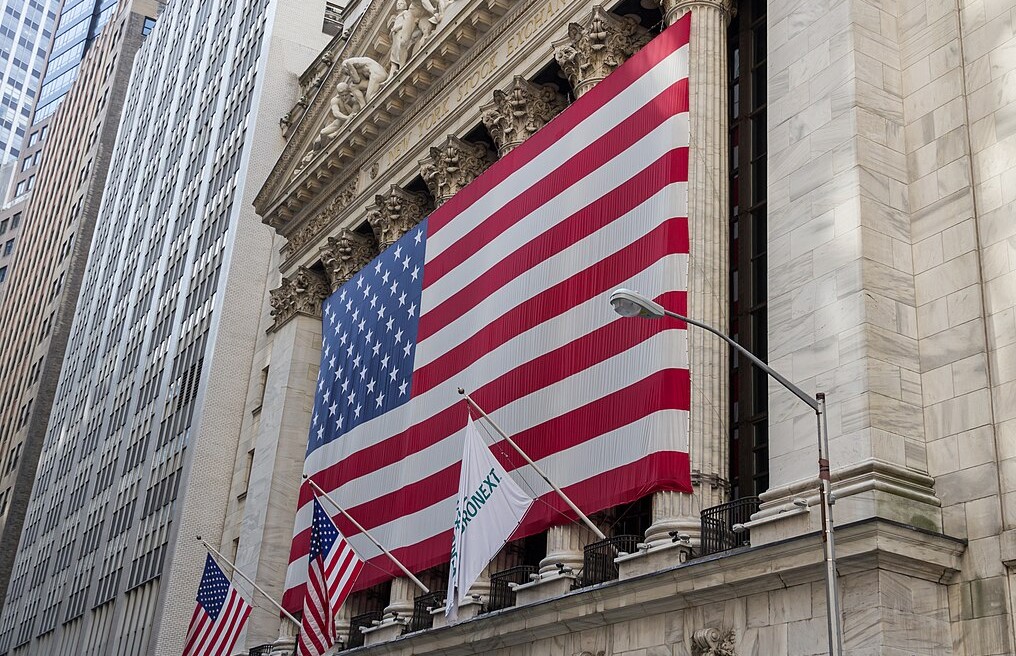
Tokenization is rapidly becoming one of the most transformative trends in global finance as major institutions explore moving traditional assets like stocks, bonds, and funds onto blockchain networks. The promise of tokenized securities lies in faster settlement, lower operational costs, improved transparency, and around-the-clock trading access. Financial firms believe blockchain infrastructure could modernize decades-old market systems and unlock greater efficiency across global capital markets.
Unlike traditional stock markets that close overnight and on weekends, tokenized assets can trade continuously. This gives investors more flexibility while allowing institutions to move collateral faster and improve capital efficiency. Companies may also benefit from clearer shareholder visibility, helping them better understand investor behavior and strengthen market participation.
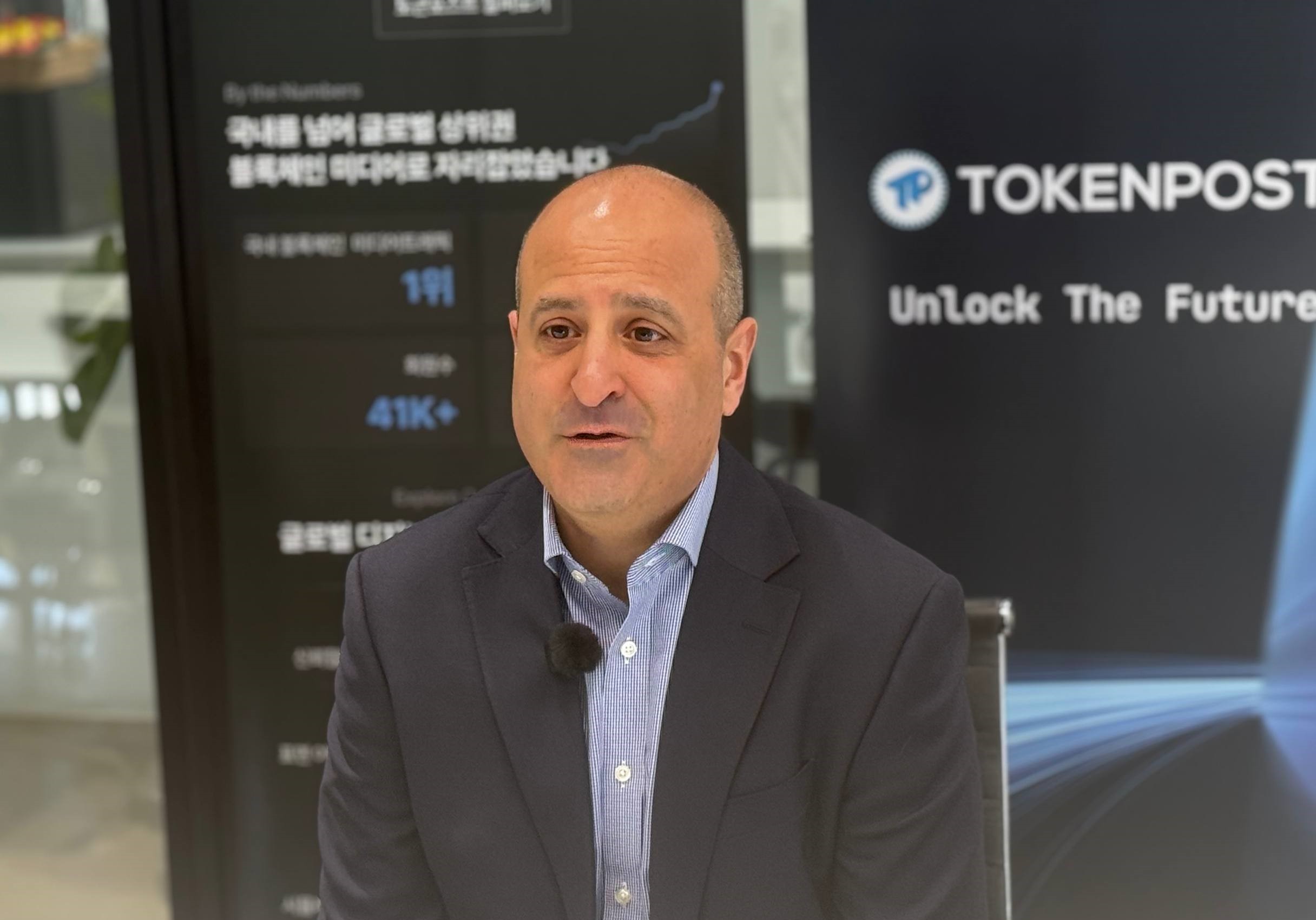
However, experts say the shift toward blockchain-based finance is more complicated than simply creating digital versions of stocks. Many current tokenized equities are considered synthetic products or “wrappers” tied to shares held elsewhere instead of legally recognized blockchain-native securities. Bullish CEO Tom Farley recently emphasized that true tokenization requires integrating blockchain assets directly into official shareholder records through transfer-agent infrastructure.
The growing adoption of tokenized securities is also creating challenges for index providers, custodians, and regulators. Firms like FTSE Russell are now evaluating how tokenized shares should be included in market-cap calculations and liquidity measurements. Large asset managers still face custody limitations, although industry leaders expect banks and financial institutions to support tokenized assets more broadly within the next few years.
Financial experts believe the biggest advantage of tokenization may not be 24/7 trading but the ability to move collateral and settle transactions in near real-time. Faster blockchain settlement could allow trading firms to reuse capital more efficiently, potentially saving billions across equities, derivatives, and repo markets. Despite concerns around pricing, liquidity, and regulation, tokenization is increasingly viewed as the next major evolution of global financial infrastructure.











Comment 0