

 News
News  Coin Information
  About us
  Customer Service


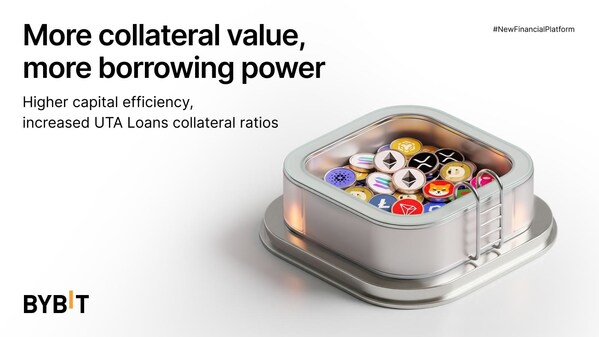
Bybit said it is expanding borrowing capacity for users with large crypto holdings by raising the 'collateral recognition ratio' across supported assets in its Unified Trading Account (UTA) loan product, a move that could materially increase effective leverage for high-balance traders and institutions.
The world’s second-largest crypto exchange by trading volume announced on Aug. 6 that it will apply higher collateral valuation rates within UTA Loans, increasing the recognized collateral value at the top end of its tiered structure. Bybit said the change is designed to benefit users who hold concentrated positions—particularly those whose borrowing power was previously capped once their holdings crossed preset thresholds.
Under the prior framework, when a user’s balance of a single collateral asset exceeded a certain level, the portion above that threshold could see its collateral recognition rate fall to zero. That structure limited how much of a large position could be monetized for borrowing, effectively placing a hard ceiling on usable collateral value even for highly liquid, large-cap tokens.
Bybit said the updated model removes that cliff effect by assigning non-zero recognition rates—roughly between 10% and 80%, depending on the asset—even in the highest tier. The exchange characterized the change as effectively lifting the upper bound on usable collateral for large single-asset holders, allowing them to deploy a greater share of their inventory for financing and trading purposes.
The revision applies to a broad set of major cryptocurrencies used as collateral, including Ethereum (ETH), Solana (SOL), BNB (BNB), Dogecoin (DOGE), XRP (XRP), Cardano (ADA), Chainlink (LINK), Litecoin (LTC), TRON (TRX), Shiba Inu (SHIB), Pepe (PEPE), and Polkadot (DOT). Bybit also said it is raising recognition ratios across other higher-balance tiers, slowing the rate at which collateral value declines as position size increases—another change aimed at improving capital efficiency for large accounts.
Yoi Wang, Vice President of Traditional Finance and Real-World Assets (RWA) at Bybit, said the update is especially significant for institutional clients. “With higher collateral recognition ratios, institutions can pledge more of their holdings as effective collateral and expand their borrowing capacity for trading,” Wang said, framing the change as part of Bybit’s shift toward a broader 'full-service' new finance platform.
Wang added that Bybit’s longer-term focus is to deepen the connection between crypto and traditional financial products, including RWAs, and to expand access to and utility of tradable traditional assets within the Bybit ecosystem—positioning the exchange at what it described as the intersection of crypto markets and mature global capital markets.
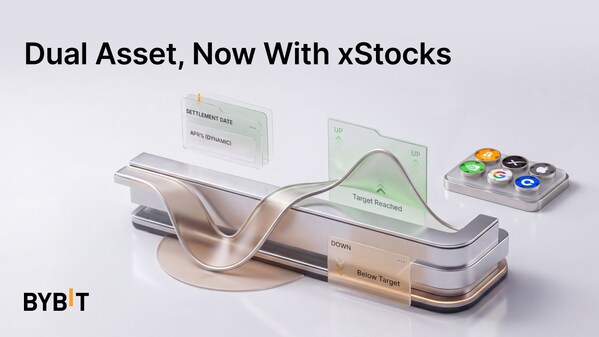
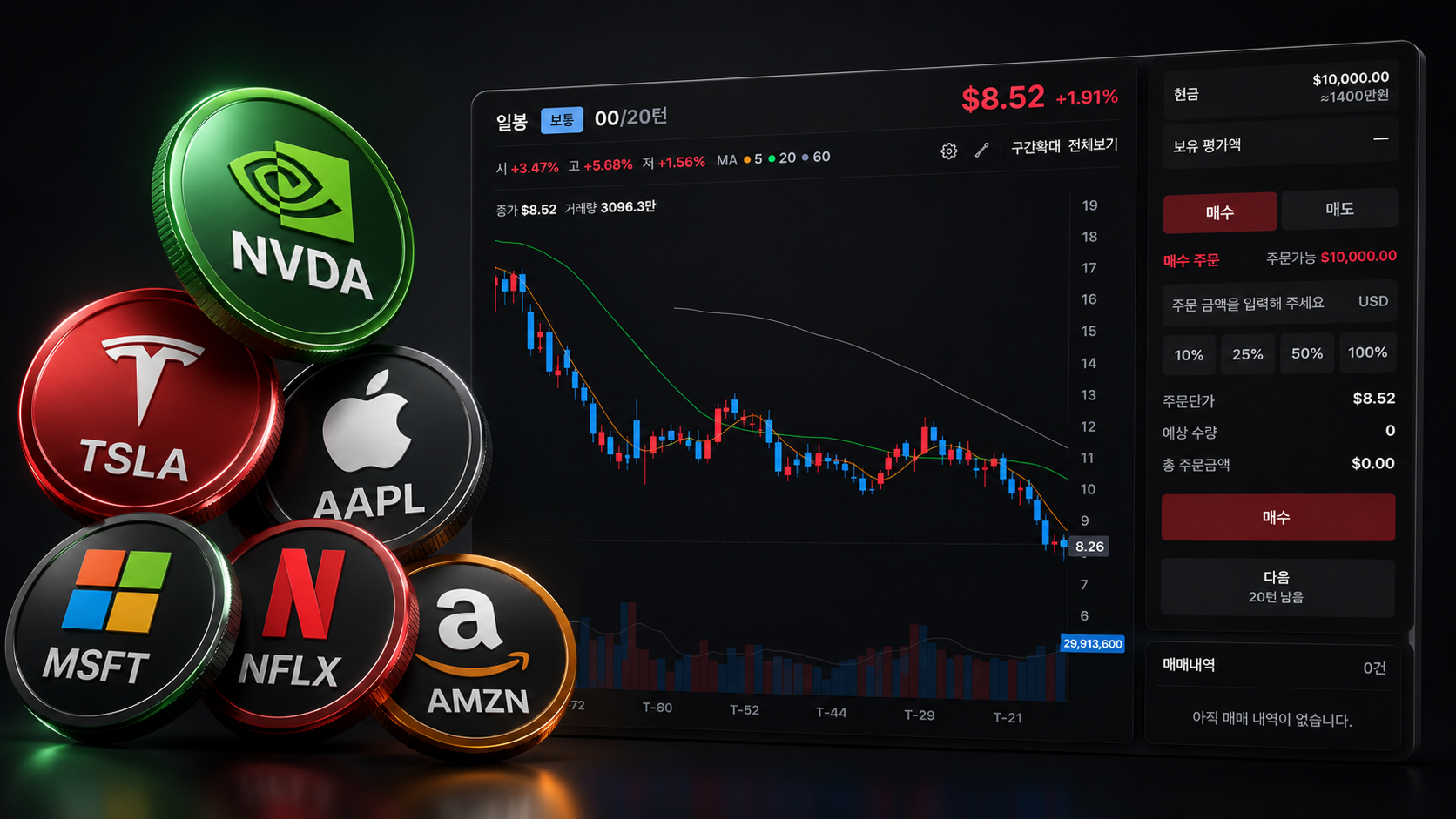
The collateral update follows Bybit’s July move to add six xStocks instruments—NVDAX, HOODX, CRCLX, TSLAX, GOOGLX, and AAPLX—to the list of eligible collateral for margin trading, crypto loans, and institutional lending. That expansion underscored the exchange’s effort to integrate traditional finance-linked assets into crypto-native infrastructure while improving 'capital efficiency' for both retail and institutional traders holding those instruments.
Bybit said base-tier collateral recognition ratios will remain unchanged across supported assets, while the system will automatically apply the increased rates when calculating collateral value under the revised tiers. Users do not need to take any additional action to receive the updated borrowing benefits.
🔎 Market Interpretation
- Bybit increases effective borrowing power for large holders: By raising the collateral recognition ratio (CRR) in higher tiers of its UTA Loans, Bybit lets high-balance traders and institutions unlock more borrowing capacity against existing crypto inventory.
- Removal of the “collateral cliff” reduces borrowing caps: Previously, collateral value above certain thresholds could be recognized at 0%, creating a hard ceiling. The update replaces this with non-zero recognition in the top tier (roughly 10%–80% depending on the asset), materially changing financing headroom for concentrated positions.
- Higher capital efficiency for large accounts: Beyond the top tier, Bybit is also increasing CRR across other higher-balance tiers, slowing how quickly recognized collateral value declines as position size grows—supporting larger leverage and more flexible liquidity management.
- Institutional positioning and “new finance” strategy: Bybit frames the change as part of a broader push to serve institutional workflows and to connect crypto collateralization with traditional finance and real-world assets (RWAs).
- Broader collateral universe signals TradFi integration: The update follows July’s addition of xStocks (e.g., NVDAX, AAPLX) as eligible collateral, reinforcing Bybit’s direction toward hybrid collateral stacks and cross-market margin utility.
💡 Strategic Points
- For whales/treasuries: Large single-asset holders (e.g., ETH, SOL) may now monetize a bigger portion of their holdings without hitting a zero-recognition cap, improving flexibility for hedging, market-making, or inventory financing.
- For institutions: Higher recognized collateral value can translate into larger credit lines and improved balance-sheet efficiency—especially for firms that prefer not to liquidate spot holdings to fund trading strategies.
- Risk management implication: Higher CRR increases available leverage; users should monitor loan-to-value (LTV), liquidation thresholds, and collateral volatility, particularly for higher-beta assets where price shocks can rapidly reduce collateral value.
- Asset selection still matters: Recognition ranges vary by asset (top-tier ~10%–80%), implying different borrowing power profiles; more liquid, large-cap tokens are likely to remain more favorable than long-tail or meme assets.
- No user action required: The recalculation is automatic within the revised tier system; base-tier ratios stay unchanged, so the main benefit accrues to users whose balances place them into higher tiers.
- Market impact watch: If widely adopted, easier borrowing against large inventories may increase derivatives activity and short-term liquidity, while also potentially increasing systemic liquidation risk during sharp drawdowns.
📘 Glossary
- Unified Trading Account (UTA): Bybit’s account structure that consolidates trading and margin functions so collateral and risk can be managed across products more seamlessly.
- UTA Loans: A borrowing product within UTA that allows users to pledge eligible collateral to obtain loans for trading or liquidity needs.
- Collateral Recognition Ratio (CRR): The percentage of an asset’s value that the platform recognizes as usable collateral. Higher CRR = more borrowing power from the same holdings.
- Tiered collateral structure: A system where CRR changes based on position size; typically, larger balances receive lower incremental recognition to manage concentration risk.
- Cliff effect: A sharp drop in recognized collateral (e.g., from some positive rate to 0%) once a threshold is exceeded, abruptly limiting borrowing capacity.
- Effective leverage: The practical ability to increase trading exposure via borrowing against collateral; increases when more collateral value is recognized.
- Capital efficiency: How effectively assets can be used to secure financing or margin; higher CRR and broader collateral options generally improve it.
- Real-World Assets (RWAs): Tokenized or on-chain representations of traditional assets (e.g., equities, bonds) used for trading or collateral.
- xStocks instruments: Bybit-listed stock-linked instruments (e.g., AAPLX, GOOGLX) that can be used as collateral for certain Bybit products.




















Comment 0