

 News
News  Coin Information
  About us
  Customer Service



Ethereum software company Consensys, led by co-founder Joe Lubin, has reportedly postponed its potential U.S. initial public offering (IPO) until at least fall 2026 due to unfavorable market conditions. Sources familiar with the matter revealed that the blockchain firm had originally planned to move forward with the listing earlier this year.
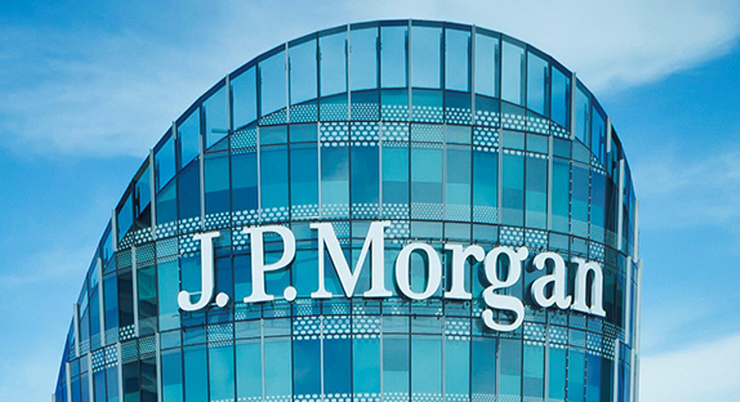
The company behind the popular MetaMask crypto wallet had reportedly hired investment banking giants JPMorgan and Goldman Sachs in 2025 to help manage the IPO process. According to insiders, Consensys was preparing to confidentially submit a draft S-1 registration statement to the U.S. Securities and Exchange Commission (SEC) around late February 2026, which is considered the first major step toward going public.
However, worsening conditions in the cryptocurrency market forced the company to reconsider its timeline. Crypto assets experienced significant declines in February 2026 as investors reduced exposure to riskier assets. Concerns over global tariffs, economic uncertainty, slower-than-expected interest rate cuts, and massive outflows from Bitcoin ETFs contributed to the downturn. The market sell-off also triggered large-scale liquidations across digital assets.
A spokesperson for Consensys declined to comment directly on the IPO speculation, stating that the company does not discuss market rumors.
Several crypto firms had been exploring public listings this year following improved regulatory clarity in the United States. Still, prolonged weakness in the digital asset market has reportedly caused companies such as Kraken and Ledger to delay their own IPO ambitions.
BitGo remains the only crypto-native company to complete an IPO in 2026 so far. Although its shares initially surged after debuting on the New York Stock Exchange, the stock has since fallen sharply and now trades well below its IPO price, reflecting ongoing investor caution toward crypto-related listings.
Consensys previously raised $450 million in a Series D funding round in 2022, giving the company a valuation of $7 billion.













Comment 0