

 News
News  Coin Information
  About us
  Customer Service



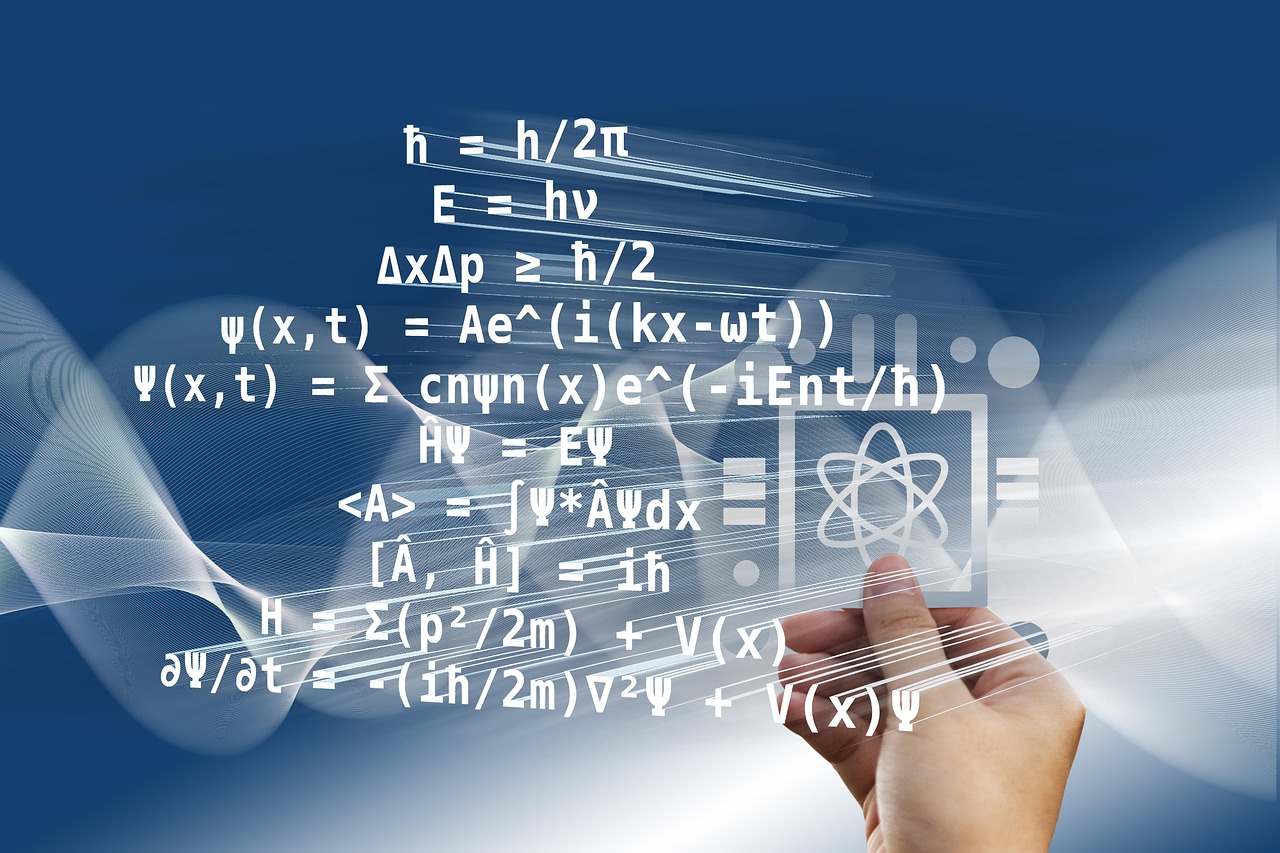
A new ARK Invest report has flagged a significant long-term risk to Bitcoin holders: quantum computing could eventually compromise the security of approximately 6.9 million BTC, valued at roughly $483 billion. While this isn't an immediate crisis, the findings have reignited debate about the cryptocurrency's long-term resilience.
At the heart of the concern is Bitcoin's reliance on Elliptic Curve Digital Signature Algorithm (ECDSA), specifically the secp256k1 curve. This cryptographic system secures wallet ownership through digital signatures. Advanced quantum computers, using techniques like Shor's algorithm, could theoretically reverse-engineer private keys from publicly visible data — effectively allowing bad actors to steal funds from vulnerable wallets.
Not all Bitcoin is equally at risk. Around 1.7 million BTC is stored in older P2PK address formats where public keys are already exposed on-chain, many belonging to wallets widely believed to be permanently lost. An additional 5.2 million BTC sits in address types that remain technically vulnerable but could still be migrated to safer formats before any real quantum threat materializes. Combined, these holdings represent nearly one-third of Bitcoin's total circulating supply.
Despite the alarming scale, experts caution against panic. Today's quantum machines operate in the Noisy Intermediate-Scale Quantum (NISQ) era, characterized by high error rates and limited logical qubit counts. Cracking Bitcoin's 256-bit elliptic curve encryption would demand thousands of stable logical qubits and billions of reliable quantum operations — capabilities still far beyond current technology.
The Bitcoin development community is already taking proactive steps. BIP-360, a recently proposed protocol upgrade, aims to introduce quantum-resistant address structures compatible with the existing Taproot framework, laying groundwork for a post-quantum transition.
Ultimately, Bitcoin's quantum vulnerability is less about an overnight breakthrough and more about whether the network can adapt before computing power catches up.
















Comment 0