
 Add as a preferred source on Google
BlackRock says debt and deficit concerns are driving Bitcoin investment
BlackRock's Robbie Mitchnick says fiscal concerns are drawing investors to Bitcoin as ETFs expand access. He also points to a decline in its correlation with equities.


Concerns about government debt and deficits are a leading reason investors are buying Bitcoin, while its declining correlation with equities could strengthen the case for holding it in portfolios.
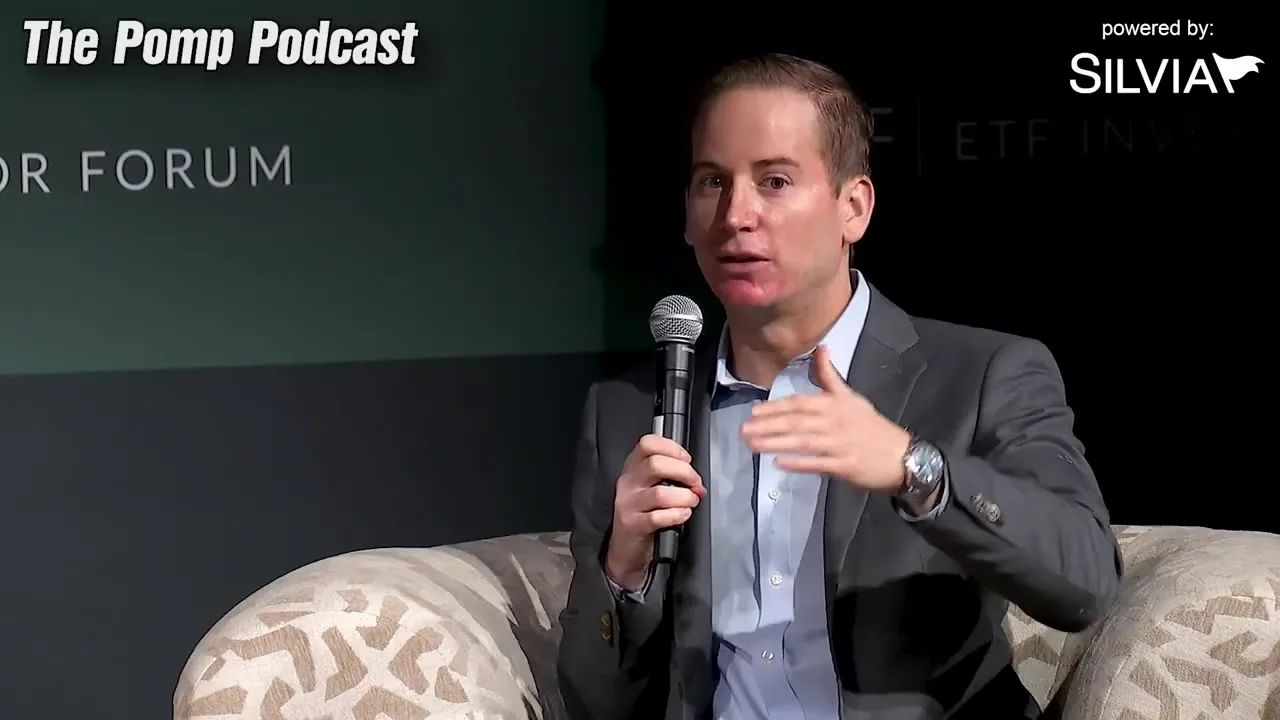
In a Nov. 18 interview with Anthony Pompliano, Robbie Mitchnick, BlackRock's global head of digital assets, said higher interest rates were adding to governments' fiscal pressures and drawing investors concerned about currency debasement and inflation toward Bitcoin.
Mitchnick said debt and deficits had returned to the global macroeconomic agenda this year and could attract more attention in the coming quarters and years. Gold has long been favored in such conditions, he said, but more investors are also considering Bitcoin, which he described as more volatile and potentially offering both greater upside and greater downside.
Bitcoin's correlation with equities has fallen substantially after a period of sharp interest rate changes, Mitchnick said. He added that Bitcoin had moved almost inversely to the AI trade, a pattern he considered useful for portfolio construction while acknowledging the importance and opportunities of AI.
Since June 30, Bitcoin has risen about 30% while the AI trade has fallen around 20%, he said. Although measuring the AI trade is imprecise, Mitchnick said evidence that Bitcoin's correlation is moving back toward zero would strengthen the case for allocating to it.
Bitcoin exchange-traded funds have expanded access for wealth advisers and brought in institutions that might otherwise have stayed out of the market, Mitchnick said. Even through roughly 13 months of generally weak prices and sentiment, many investors have shown a preference for holding Bitcoin through ETFs, he added.
He said a range of holding options remains healthy for the ecosystem, including self-custody, exchanges and dedicated institutional cold storage. He expressed hope that self-custody would remain a popular choice among Bitcoin holders.
In-kind conversions of Bitcoin into ETF shares have increased significantly in recent months, Mitchnick said. The minimum has fallen from $30 million to around $1 million, while the process and pricing have also improved, making the option available to more investors.
The biggest reason for converting is to avoid the burden of custody and operational security, he said. Other uses include tax reporting, estate planning and borrowing through private banks. Interest has also grown in using options on BlackRock's IBIT fund to generate income or hedge downside risk, he added.
BlackRock also launched a Bitcoin premium income product in response to demand from investors concerned about yield and volatility. Mitchnick said the product targets 70% of Bitcoin's upside alongside a return in the mid to high teens. It surpassed $100 million in its first couple of months, he said, adding that client feedback would guide future offerings in the category.
Riza Dagoc
Riza Dagoc reports on regulation, investing and the digital-asset business for TokenPost. Send corrections or tips to info@tokenpost.com.